Dr. Do Thi Thao, from the Cardiology Department at Tam Anh General Hospital Hanoi, notes that many middle-aged individuals often dismiss fatigue, breathlessness, and heavy legs as normal signs of aging. However, these symptoms can escalate, leading to severe shortness of breath requiring them to sleep upright. It is often only when patients are hospitalized with widespread swelling that heart failure is diagnosed. Detecting the condition early allows for more effective treatment and management.
Fatigue with exertion
The earliest sign of heart failure is a decrease in exercise tolerance. Patients quickly feel fatigued when climbing stairs, walking briskly, or performing strenuous activities. For instance, someone who previously could climb three or four flights of stairs without rest might now need to pause for breath after just one floor.
Shortness of breath when lying down, requiring elevated pillows for sleep
A classic symptom of early heart failure is shortness of breath when lying flat. Patients often need to use elevated pillows or even sleep upright to find relief. This is caused by fluid buildup in the lungs due to the heart's inefficient pumping. Many individuals incorrectly attribute these symptoms to conditions like rhinitis, sinusitis, gastroesophageal reflux disease, or poor sleep habits, consequently delaying a cardiac evaluation.
Mild leg swelling by day's end
While legs appear normal in the morning, by late afternoon, ankles may show sock marks and slight swelling. This pattern recurs over several days. This indicates fluid retention in the body, a result of the heart's reduced pumping efficiency, leading to fluid accumulation in the lower limbs. As it often presents without significant pain or discomfort, this symptom is frequently ignored.
Rapid, unexplained weight gain
Some individuals experience a gain of one or two kilograms within a short timeframe, even without changes in their eating habits. Dr. Thao points out that this weight gain might be due to fluid retention rather than increased fat. Closer observation may reveal a general feeling of heaviness and shoes feeling tighter.
 |
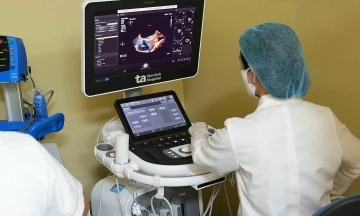
A doctor performs a cardiac ultrasound on a middle-aged patient. Illustration: Tam Anh General Hospital |
Dry cough at night
Heart failure can lead to fluid accumulation in the lungs, triggering a dry cough, particularly at night. Many consult respiratory specialists and use cough suppressants for prolonged periods, unaware that the root cause lies with their heart.
Persistent fatigue, reduced concentration
When the heart pumps blood inefficiently, the brain and muscles do not receive adequate oxygen. Patients often experience lethargy, difficulty concentrating, and rapid fatigue during tasks. This symptom is commonly mistaken for stress, insufficient sleep, or the effects of aging.
Rapid heartbeat, transient palpitations
Some early heart failure cases are accompanied by heart rhythm disturbances (arrhythmias). Patients may notice an unusually fast heartbeat at rest or fleeting palpitations that resolve spontaneously, leading them to disregard these signs.
Frequent nighttime urination
During the day, fluid tends to accumulate in the legs; at night, when lying down, this fluid re-enters the bloodstream and is processed by the kidneys, leading to more frequent nighttime urination than normal.
Middle-aged individuals are susceptible to hypertension, diabetes, high blood lipids, and obesity. Heart failure symptoms often progress slowly and subtly, overlapping with general feelings of "slowing down" due to age, which can lead to missed diagnoses. Individuals with a history of long-term hypertension, coronary artery disease, diabetes, obesity, smoking, or previous severe viral infections should be particularly vigilant for these signs.
Regular cardiac examinations, blood pressure monitoring, echocardiograms, and blood tests are vital for early detection of heart failure.
Thanh Ba
| Readers can submit questions about cardiology here for doctors to answer |