Urinary tract infection (UTI) is a bacterial infection affecting parts of the urinary system such as the urethra, bladder, ureters, and kidneys. Most cases are caused by intestinal bacteria, especially E. coli, which ascend from the urethra.
Doctor Cao Vinh Duy, a urologist at the Center for Urology - Nephrology - Andrology, Tam Anh General Hospital, TP HCM, explains that travel often disrupts the urinary tract's natural defenses due to changes in daily routines, hygiene, and fluid intake. These disruptions can increase susceptibility to infections. The following five habits are particularly linked to a higher risk of urinary tract issues.
Prolonged urine retention
Holding urine for extended periods allows bacteria to multiply. Under normal circumstances, urine flow helps cleanse the urethra of bacteria. When urine is held, it stagnates in the bladder, creating an ideal breeding ground for microbes. This practice also increases bladder pressure, which can impair sphincter function and natural urinary flow. Ultimately, prolonged urine retention weakens the body's natural defense against bacteria, significantly increasing the risk of acute cystitis, particularly for women.
 |
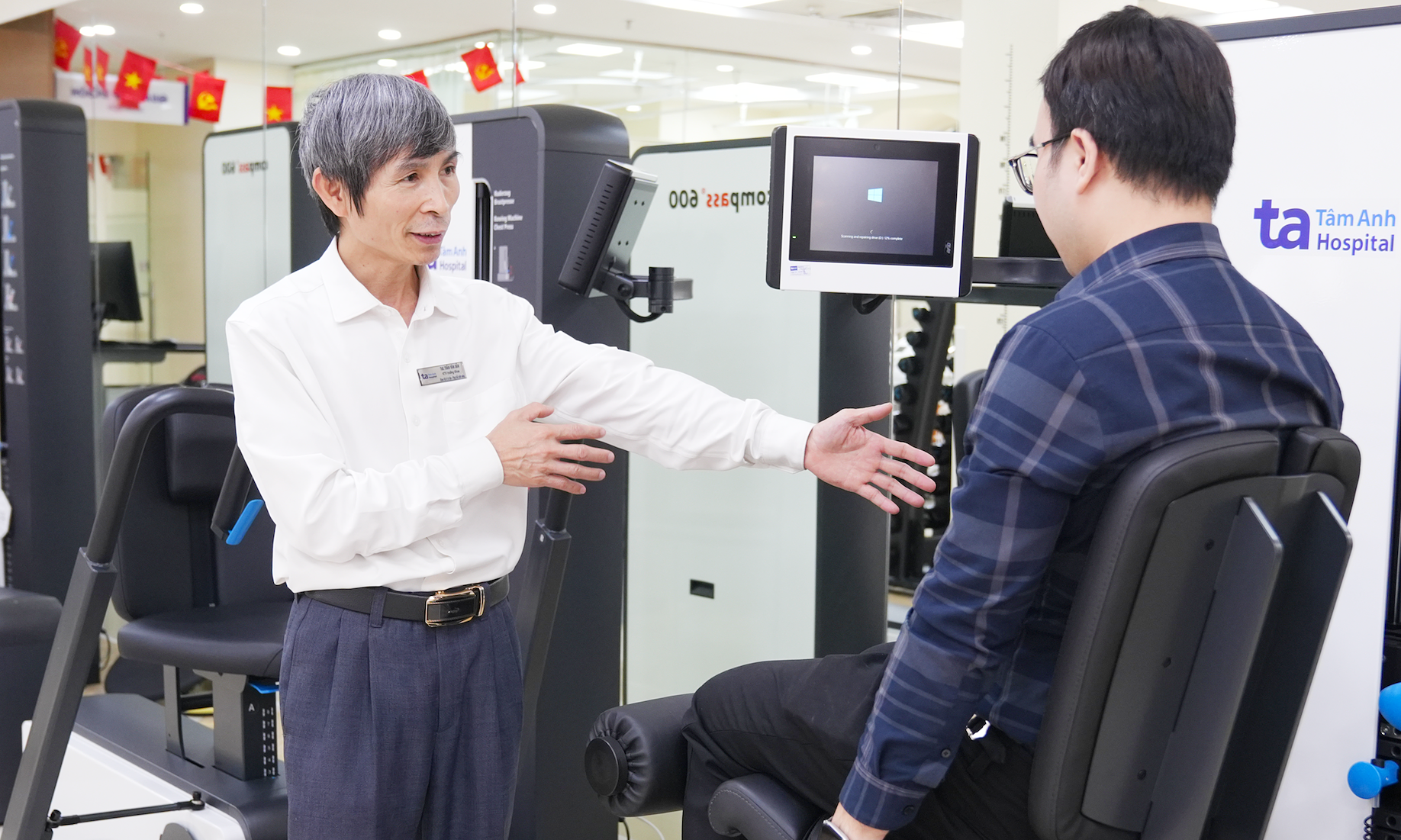
Doctor Duy examining and consulting a patient. Illustration: Tam Anh General Hospital.
Inadequate hydration
Not drinking enough water can lead to concentrated urine, fostering bacterial growth. Insufficient fluid intake directly impacts urine volume and how often one urinates. When the body is dehydrated, urine becomes more concentrated, increasing the levels of waste products and bacteria, while also altering pH to create an environment conducive to bacterial proliferation. Additionally, reduced urination frequency means bacteria remain in the urinary tract longer, increasing infection risk. Mild dehydration, often experienced during extensive travel, sun exposure, or alcohol consumption, can further compromise the urinary tract's mucosal immunity.
Prolonged sitting
Sitting for extended periods, common during long trips by train, car, or plane, can impair pelvic circulation and bladder blood supply. This can lead to urine retention and incomplete bladder emptying, creating a breeding ground for bacteria. Doctor Duy emphasizes that older adults and individuals with conditions such as prostate enlargement or neurogenic bladder are at a heightened risk. He advises these groups to select appropriate travel options. For car travel, it is recommended to use restrooms at stops, even without feeling the urge, and to incorporate light movement.
Poor hygiene
Using public restrooms or staying in hotels with questionable hygiene standards during holiday travels can significantly increase the risk of infection. Similarly, using unsafe water sources also contributes to this risk.
Wearing inappropriate clothing
Wearing wet swimwear, tight clothing, or non-breathable fabrics for prolonged periods creates a moist environment in the genital area. This encourages the growth of bacteria and fungi, disrupts the natural microbial balance, and increases the risk of urethritis and vaginitis in women.
To prevent urinary tract issues during holiday travel, Doctor Duy offers several recommendations: maintain a daily fluid intake of 1.5-2.5 liters, depending on individual needs; avoid holding urine for more than 3-4 hours; urinate immediately after sexual intercourse; practice proper intimate hygiene; and change into dry, breathable clothing after swimming or sweating.
Seek medical attention if you experience symptoms such as: painful, difficult, or frequent urination; cloudy, foul-smelling, or bloody urine; lower abdominal or back pain; or fever. Untreated urinary tract infections can escalate to pyelonephritis, potentially causing serious complications.
Dinh Lam
| Readers can submit questions about urinary tract diseases here for a doctor's response. |