Dr. Hong Vinh Tuong, a nephrologist from Taiwan, observes that many individuals undergoing health check-ups receive alarming eGFR (glomerular filtration rate) results. A sudden drop in this index often leads them to believe their kidneys are failing, causing anxiety about potential dialysis.
However, eGFR is calculated based on blood creatinine levels. Any factor that alters creatinine concentration can cause a "false reduction" in kidney function readings.
According to Dr. Hong Vinh Tuong, five common daily factors frequently lead to these misleading kidney failure diagnoses:
Over-exercising before a blood test
This is a common clinical pitfall. Many people who are typically sedentary suddenly engage in morning runs, heavy weightlifting, or even attempt a 10 km run right before their scheduled health check-up.
Intense physical activity significantly boosts muscle metabolism and can even cause microscopic muscle damage. This temporarily elevates creatinine in the blood, leading to an underestimated eGFR reading.
Excessive fasting or dehydration
Some people mistakenly believe that "fasting" before a health check means not drinking a single drop of water. Some even abstain from food and water from midnight. This results in dehydration and concentrated blood, which increases creatinine levels and lowers eGFR. This effect is particularly pronounced in summer, where heavy sweating combined with prolonged water deprivation can easily distort results.
Conversely, some individuals, aiming for "perfect" results, intentionally drink excessive water before blood collection. This can lead to an overestimation of kidney function.
Partying or heavy eating before the examination day
Many adopt the mindset, "Since I have to fast tomorrow, I'll have a really good meal tonight to make up for it," often indulging in grilled meats, steaks, or spicy hotpot. Cooked meats contain significant amounts of creatine and creatinine precursors, which can abruptly increase blood creatinine levels.
Research reports indicate that after a high-protein meat meal, creatinine levels can rise by 15-30%, and this effect can last for over 12 hours.
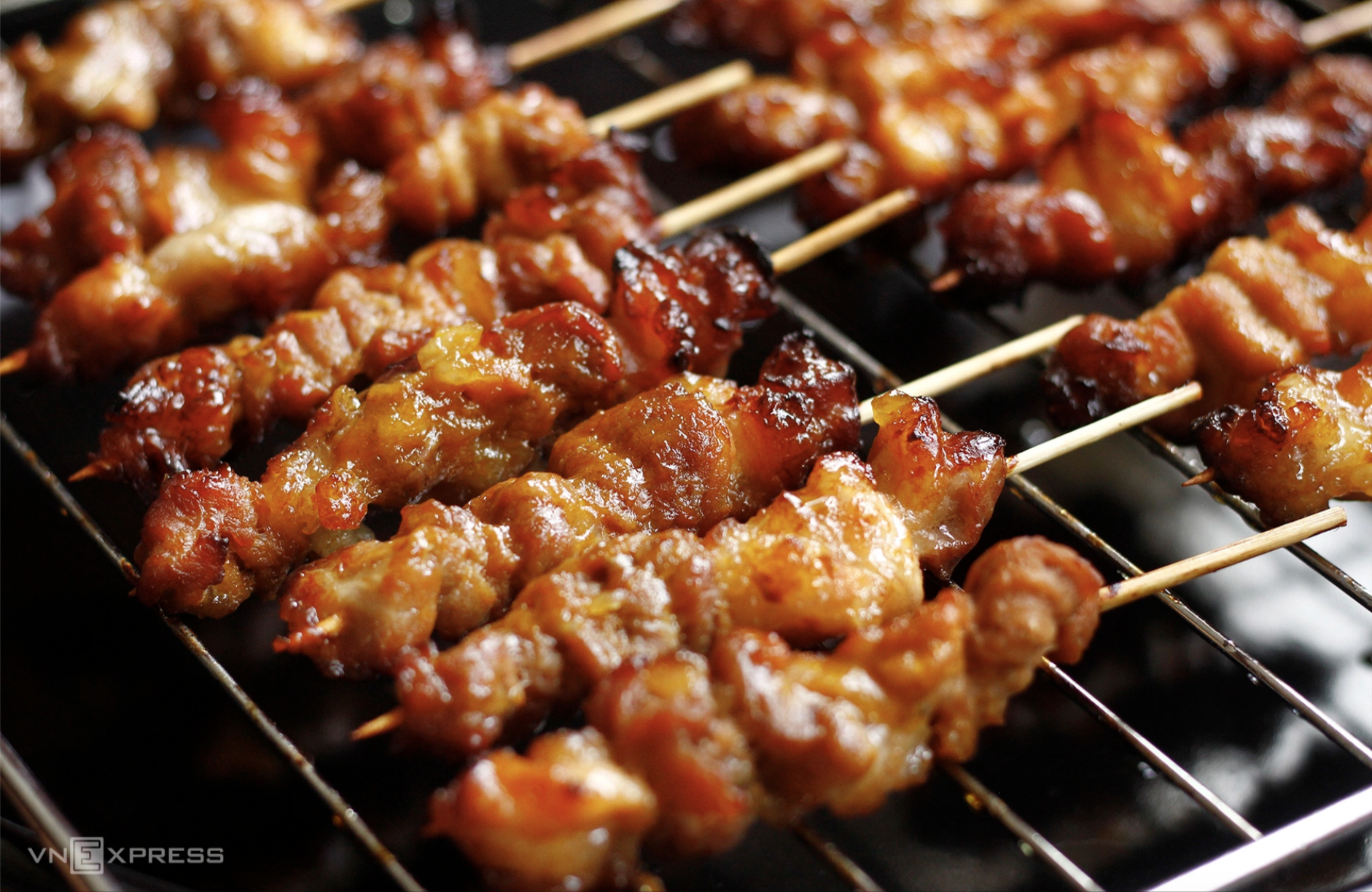 |
After a high-protein meat meal, creatinine levels can rise by 15-30%. Illustration: Bui Thuy |
Late nights and sleep deprivation
Lack of sleep can cause short-term declines in kidney function indicators. Dr. Hong emphasizes that insufficient sleep affects hormones, the autonomic nervous system, blood pressure, and the body's water balance. Consequently, individuals in the technology sector, shift workers, and medical personnel are particularly susceptible to temporary eGFR reductions.
Using supplements and bodybuilding aids
In recent years, the use of creatine, whey protein, or muscle-building products has become very popular among bodybuilders. However, creatine, after metabolizing in the body, naturally forms creatinine, often leading to higher-than-normal readings in blood tests.
Additionally, the doctor cautions that certain pain relievers, unregulated weight-loss drugs, or traditional folk remedies are genuine culprits that can cause actual kidney damage.
Dr. Hong Vinh Tuong confirms that a single drop in eGFR does not mean you have chronic kidney failure. According to the Kidney Disease: Improving Global Outcomes (KDIGO) clinical guidelines, an abnormal kidney function must persist for over three months, coupled with signs such as proteinuria (protein in urine), hematuria (blood in urine), or structural kidney abnormalities, to warrant a diagnosis of the disease.
To ensure the most accurate kidney function test results, individuals should note the following precautions on the day before their blood test:
Avoid intense physical activity.
Do not overeat or consume excessive meat.
Maintain normal water intake; do not become excessively dehydrated.
Ensure you get 6 to 7 hours of sleep.
Proactively inform your doctor about any supplements and medications you are currently using.
My Y (According to UDN)