On 12/5, the Ministry of Health announced the service list for a nationwide free periodic health check-up program, effective from 2026. This policy helps residents detect common conditions early, such as diabetes, cardiovascular disease, and liver and kidney failure. It also advances the goal of achieving basic free healthcare by 2030.
Under the latest regulations, individuals aged 18 and older are eligible for a comprehensive clinical examination and basic tests. Doctors will take a medical history, measure body metrics, check blood pressure, and conduct internal medicine and ear, nose, and throat examinations.
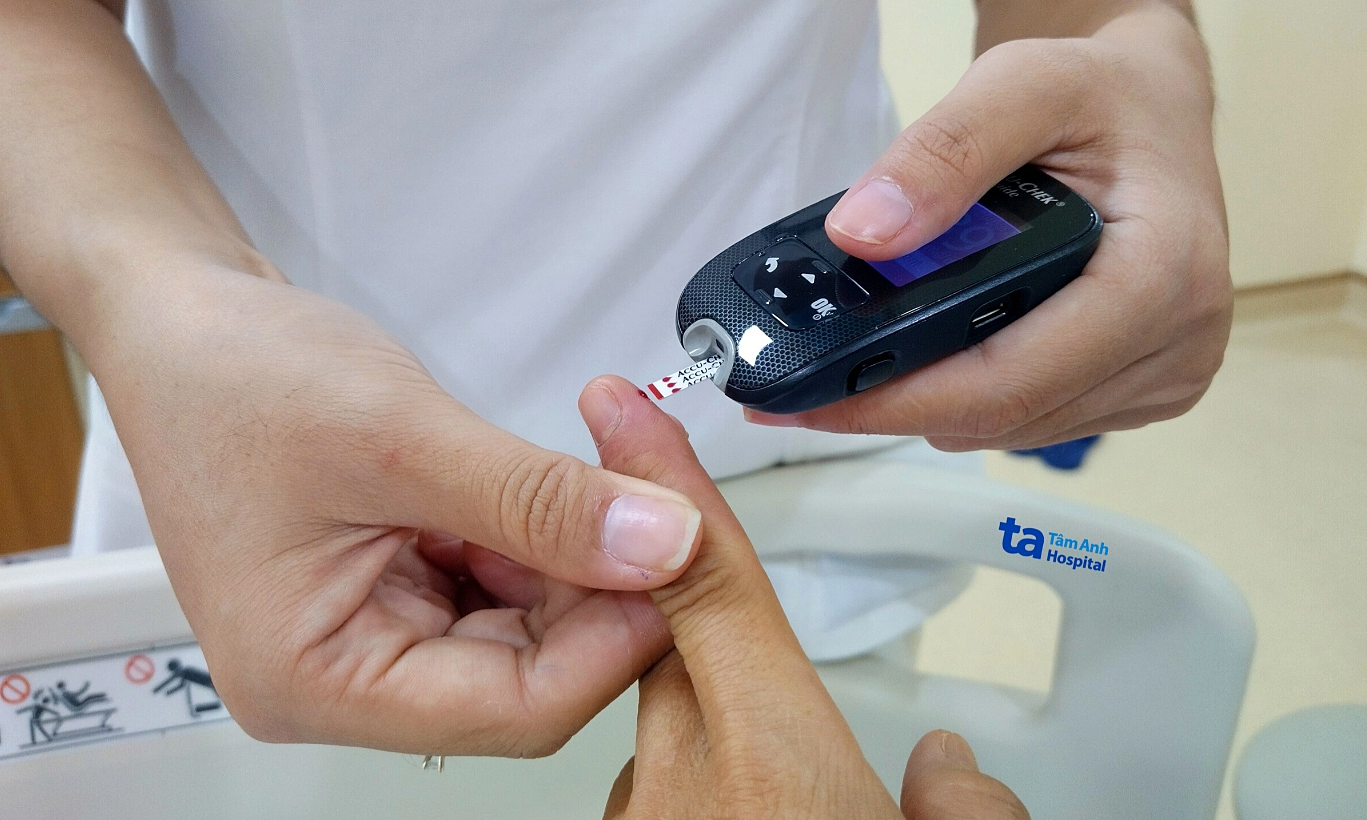
Additionally, the healthcare sector provides services for complete blood counts, blood sugar tests, liver and kidney function assessments, urinalysis, and chest X-rays. If any abnormalities, such as tuberculosis or lung tumors, are detected, healthcare facilities will immediately order specialized tests or refer patients for timely treatment.
The implementation roadmap is divided into two stages. Beginning in 2026, the program prioritizes the elderly, poor households, disabled individuals, patients with chronic conditions, and residents in remote areas. By 2028, the healthcare system will expand services to cover all remaining population groups.
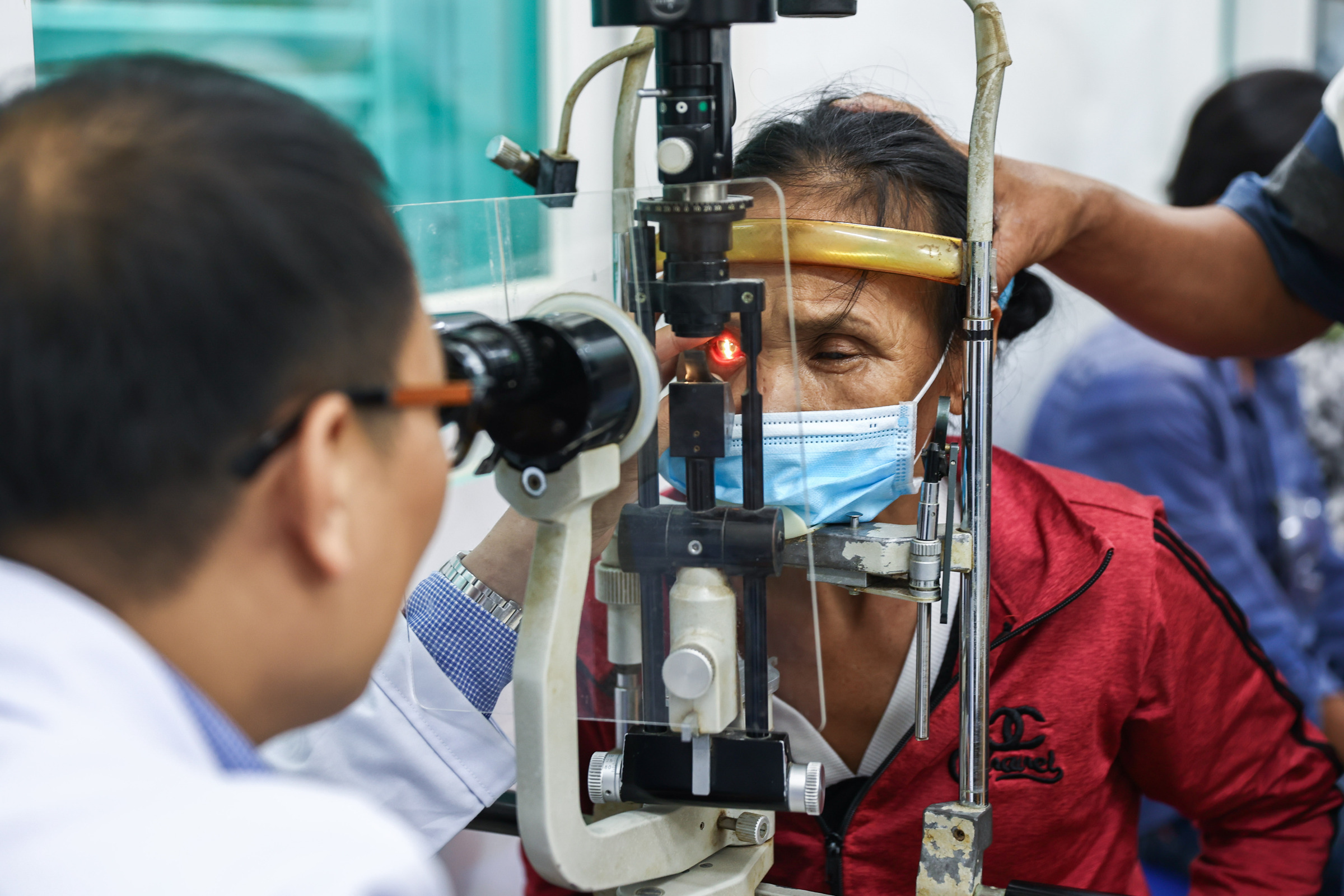 |
Healthcare workers at TP HCM Eye Hospital examine residents. Photo: Quynh Tran.
To prevent overload, the Ministry of Health requires localities to proactively classify eligible individuals and arrange appointments. After each examination, management agencies will integrate the results into individual electronic health records, creating a unified national health data platform that tracks health over a lifetime.
For women, children, and workers in specific occupations, authorities apply separate professional standards. Doctors will conduct gynecological examinations for female workers following an independent procedure. Children under six years old will follow pediatric guidelines, while the 6-18 age group will use school health examination forms and undergo tests only when a doctor requests them. Occupations requiring strict physical fitness, such as police, military, aviation, and railway personnel, will continue to adhere to current specialized examination regulations.
This initiative embodies the spirit of Politburo Resolution 72, which focuses on enhancing public health protection and care capabilities. From a professional perspective, the "free healthcare" policy does not mean eliminating all medical examination and treatment fees. The core message, as Minister of Health Dao Hong Lan stated, is that the state will use flexible policies to minimize out-of-pocket expenses for patients. Solutions such as expanding health insurance coverage and early disease screening will directly reduce mortality rates caused by late detection, thereby building an equitable healthcare safety net where all citizens have solid support during illness.
Le Nga