Master of Science, Doctor Nguyen An Khai, of the Neurology Department at the Neuroscience Center, Tam Anh General Hospital, Ho Chi Minh City, notes that women postpartum experience significant hormonal, physical, psychological, and lifestyle shifts. The demands of childcare and extended sleep deprivation can contribute to mental health issues. Yet, these early signs are often dismissed as simple fatigue.
Some women may experience sadness, tearfulness, sensitivity, or erratic mood swings during the initial days postpartum, a condition known as "baby blues". This condition typically appears within the first few days and resolves naturally within two weeks. If symptoms persist beyond two weeks, intensify, or affect a mother's ability to care for herself and her baby, a specialized mental health evaluation is crucial to assess the risk of postpartum depression.
Doctor Khai highlights specific symptoms to watch for: persistent sadness throughout the day, loss of interest in previously enjoyed activities, heightened emotional sensitivity, and feelings of worthlessness or maternal inadequacy. Excessive anxiety about the baby's health, such as constantly checking the infant's breathing or an unfounded fear of danger, also warrants attention.
Sleep disturbances, including insomnia, difficulty falling asleep, or frequent waking throughout the night, leading to exhaustion and impaired concentration, can also indicate underlying postpartum mental health problems.
 |
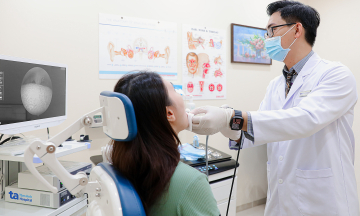
Doctor Khai consults on treatment for a woman with a postpartum mental disorder. Illustration: Tam Anh General Hospital |
Doctor Khai adds that some postpartum women exhibit signs of detachment, a reluctance to interact with their child, difficulty bonding with the infant, or recurring negative thoughts. These can be symptoms of a postpartum mental disorder, necessitating evaluation and appropriate support.
Should a mother display confusion, unusual agitation, unfounded suspicions, hear voices that are not real, or experience sudden behavioral changes, her family must seek immediate medical attention. These could be indicators of postpartum psychosis, a psychiatric emergency that poses risks to both the mother and the baby's safety.
Doctor Khai advises women with a history of or current depression, bipolar disorder, chronic stress, or prolonged anxiety to undergo mental health screenings before and during pregnancy. This proactive approach enables doctors to assess risks, manage symptoms, and develop a personalized care plan.
Individuals currently on medication should not discontinue or alter their dosage upon becoming pregnant without consulting a doctor to ensure safe options for both mother and baby. For abnormal psychological issues such as depression, doctors might consider treatment with repetitive transcranial magnetic stimulation (rTMS). This method uses non-invasive magnetic pulses to target brain regions involved in emotional regulation, helping to alleviate depression symptoms.
 |
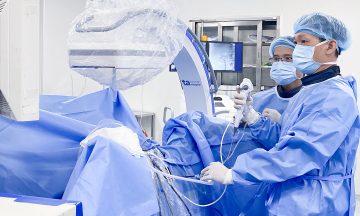
A patient undergoing repetitive transcranial magnetic stimulation treatment to regulate emotions. Photo: Tam Anh General Hospital |
Doctor Khai recommends that families observe changes in a postpartum woman's emotions, sleep patterns, and behavior. They should actively share childcare responsibilities, ensure the mother gets adequate rest, and facilitate access to medical support when needed. Early detection and treatment of postpartum mental disorders aid the mother's recovery, reduce complication risks, support her ability to care for herself, and foster a healthy bond with her child.
Trong Nghia
| Readers can ask questions about neurological conditions here for doctors to answer. |