Pain-relieving gels can alleviate symptoms of musculoskeletal pain; however, their effectiveness depends on the product's ingredients, the cause of the pain, and the extent of the injury. Generally, this method offers temporary symptom relief and, in some cases, may not address the underlying cause of the condition. Currently, pain-relieving gels work through these mechanisms:
Topical anti-inflammatory pain relievers (NSAIDs): Anti-inflammatory active ingredients like diclofenac and ketoprofen can penetrate the skin to reach superficial tendon-muscle tissues and periarticular tissues. They inhibit the production of inflammatory and pain-causing mediators (prostaglandins). This allows the medication to reduce local pain and inflammation, proving effective for cases of superficial arthritis (such as in the knees or hands) or tendinitis.
Creating hot or cold sensations: Some gels contain active ingredients such as menthol, methyl salicylate, camphor, or capsaicin, which stimulate sensory receptors on the skin, producing a cooling or warming sensation. This reduces the perception of pain by modulating pain signals within the nervous system. These gels primarily offer symptom relief and comfort; they do not replace treatments addressing the underlying cause.
Gentle massage helps relax muscles, reduce stiffness, increase local blood circulation, and improve pain sensation for some individuals. The relief patients experience often combines the effects of the active ingredients and the massage itself.
However, not all cases of musculoskeletal pain respond to topical gels. This method often aids in treating post-exercise muscle pain, mild sprains, muscle strains, tendinitis, or mild arthritis. Conversely, conditions like rheumatoid arthritis, ankylosing spondylitis, acute gout, or nerve compression pain demand specialized treatments, and topical gels alone are insufficient.
 |
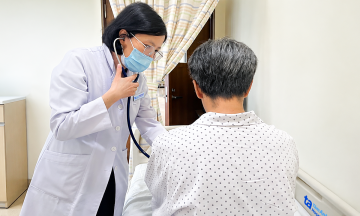
Doctor Phuong assesses a patient's joint condition. Illustration: Tam Anh District 7 General Clinic. |
When using gel, apply it to clean, dry skin. Always follow the manufacturer's instructions or a doctor's prescription. Do not apply to scratched skin, open wounds, or infected areas. After application, wash your hands thoroughly and avoid contact with eyes or mucous membranes.
If pain persists, recurs frequently, worsens, or is accompanied by joint swelling, warmth, redness, fever, limited mobility, or limb numbness/weakness, you should seek medical attention as soon as possible. Accurately identifying the cause of the pain helps in choosing more appropriate and effective treatment methods, rather than relying solely on gels for symptom relief.
Dr. Nguyen Thi Bich Phuong
Internal Medicine, Musculoskeletal Specialist
Tam Anh District 7 General Clinic
| Readers can submit questions about musculoskeletal conditions here for a doctor's response. |