Aging is a natural process everyone experiences, but its pace varies among individuals. Beyond age, factors such as diet, sleep, activity levels, prolonged stress, and environmental impacts can accelerate the body's aging process. Recognizing these early signs allows women to adjust their lifestyles to slow down this progression.
Skin loses elasticity, develops more wrinkles
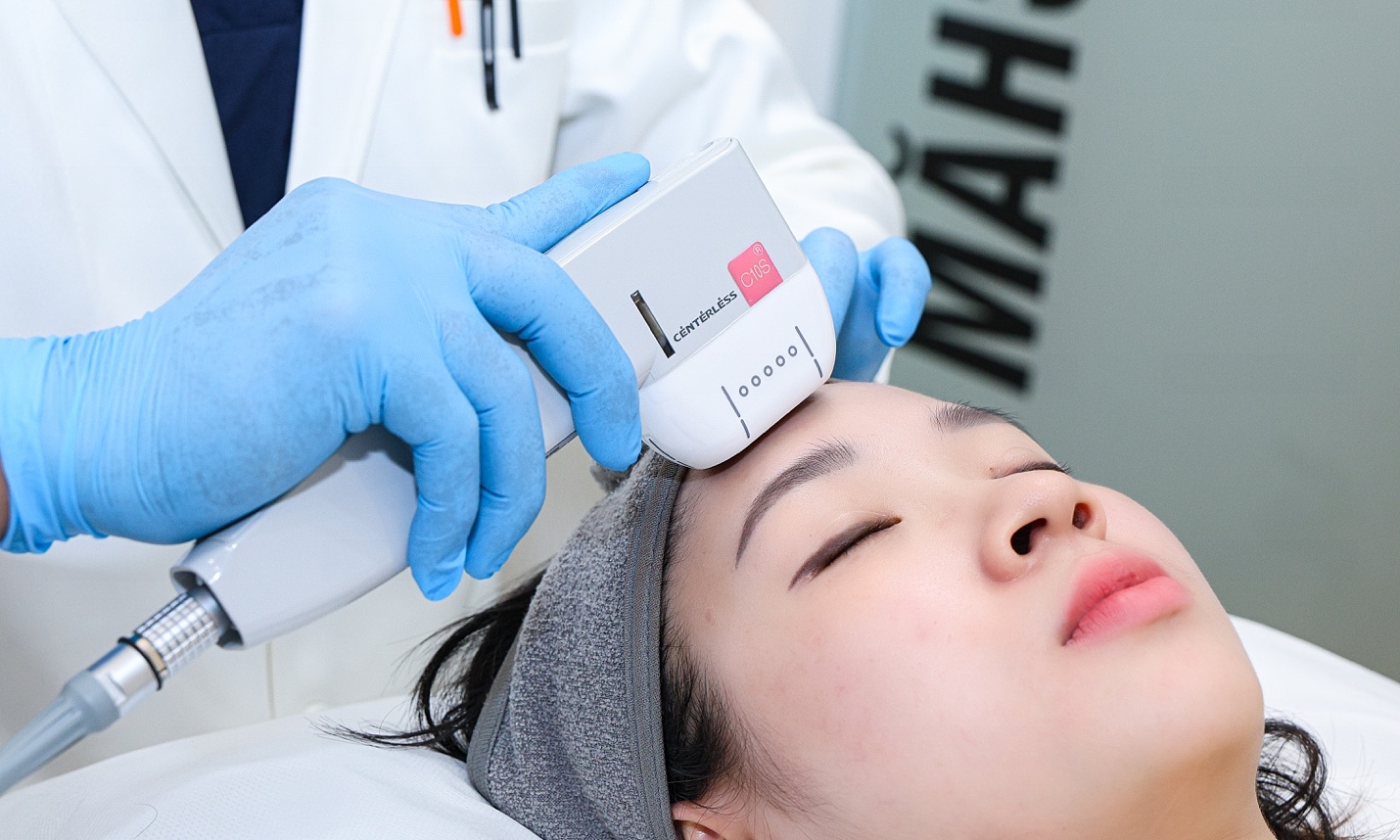
According to Times of India, as age increases, the body produces less collagen and elastin, two proteins that keep skin firm and elastic. This leads to dehydration and dry skin. As a result, wrinkles around the eyes, mouth corners, and forehead become more prominent. Ultraviolet rays from sunlight, smoking, and lack of sleep can hasten this process.
Increased belly fat despite stable weight
Many women notice their waistline expanding after the age of 40, even if their overall weight remains unchanged. This is due to a decline in estrogen, which alters how the body distributes fat. Instead of accumulating in the hips and thighs, fat tends to concentrate more in the abdominal area.
Reduced muscle mass, increased fatigue
As the body ages, muscle mass gradually decreases if not maintained through a protein-rich diet and strength training. When muscle is lost, metabolism also slows down, making the body prone to fat accumulation. Women may find it difficult to carry heavy objects, get tired quickly climbing stairs, or feel a lack of stamina during physical activity.
Thinning, brittle hair
Hair also reflects the body's aging status. When hair follicles become less active, hair grows slower, strands become thinner, drier, and more prone to breakage and loss. Besides age, iron deficiency, protein deficiency, lack of B vitamins, or prolonged stress can also accelerate hair aging.
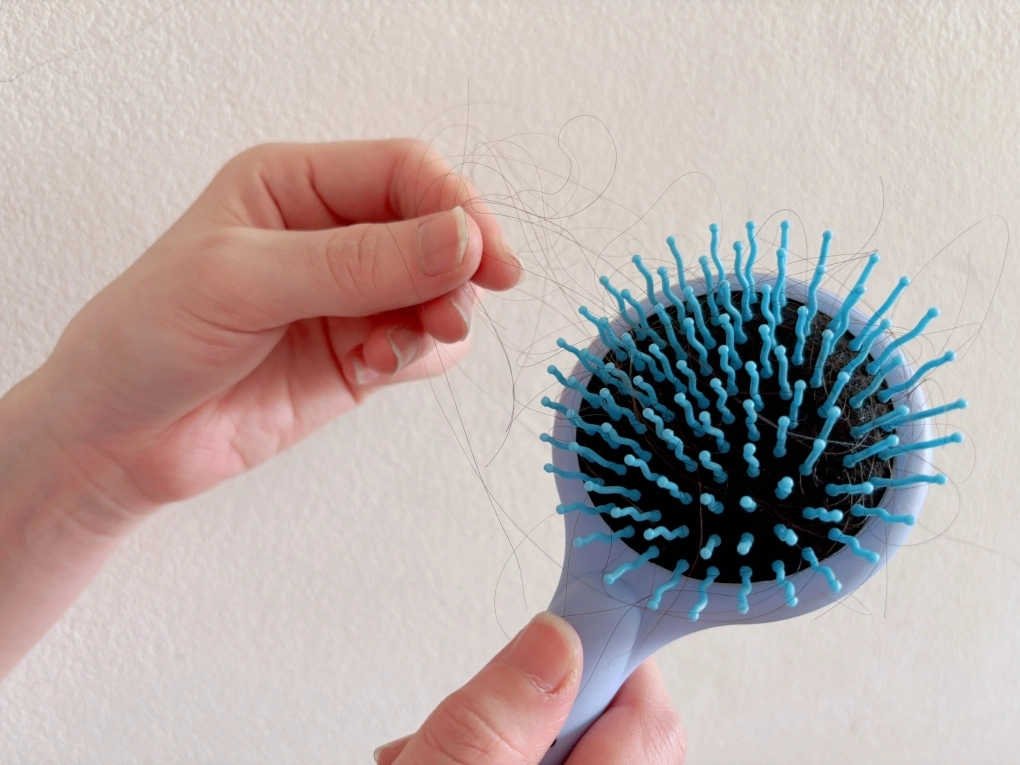 |
Hair loss can also be a sign of body aging. Illustration: Bao Bao |
Decreased memory and concentration
Occasionally forgetting where keys are or struggling to recall acquaintances' names can be normal. However, if forgetfulness occurs frequently, concentration during work is difficult, or information absorption is slower than before, these may be signs of brain aging. In addition to age, lack of sleep, prolonged stress, insufficient physical activity, and a nutrient-poor diet also contribute to cognitive decline.
Poor sleep quality
Aging impacts the biological clock and sleep-regulating hormones. Many perimenopausal or menopausal women often find it difficult to fall asleep, wake up easily in the middle of the night, or experience restless sleep.
Prolonged sleep deprivation increases oxidative stress, accelerating skin aging, impairing immunity, and increasing the risk of cardiovascular disease, according to Health Shots.
Weaker bones and joints
After the age of 40, bone density begins to decrease rapidly as estrogen levels decline. Without sufficient calcium, vitamin D, and protein, women face a higher risk of osteoporosis. Symptoms such as joint pain, reduced height, frequent falls, or fractures after minor trauma can all indicate aging bones.
By Le Nguyen (Compiled)
| Readers can submit questions about obstetrics and gynecology here for doctors to answer. |