Before considering sensitive reasons such as relationship strain, you should take time to talk and understand any work, life, or health pressures your husband may be facing. These factors can directly impact sexual desire.
Men can 'abstain' from intimacy for a certain period. However, if this situation persists for many months, especially when their intimate life was previously normal, it could signal a physical or psychological change that requires attention.
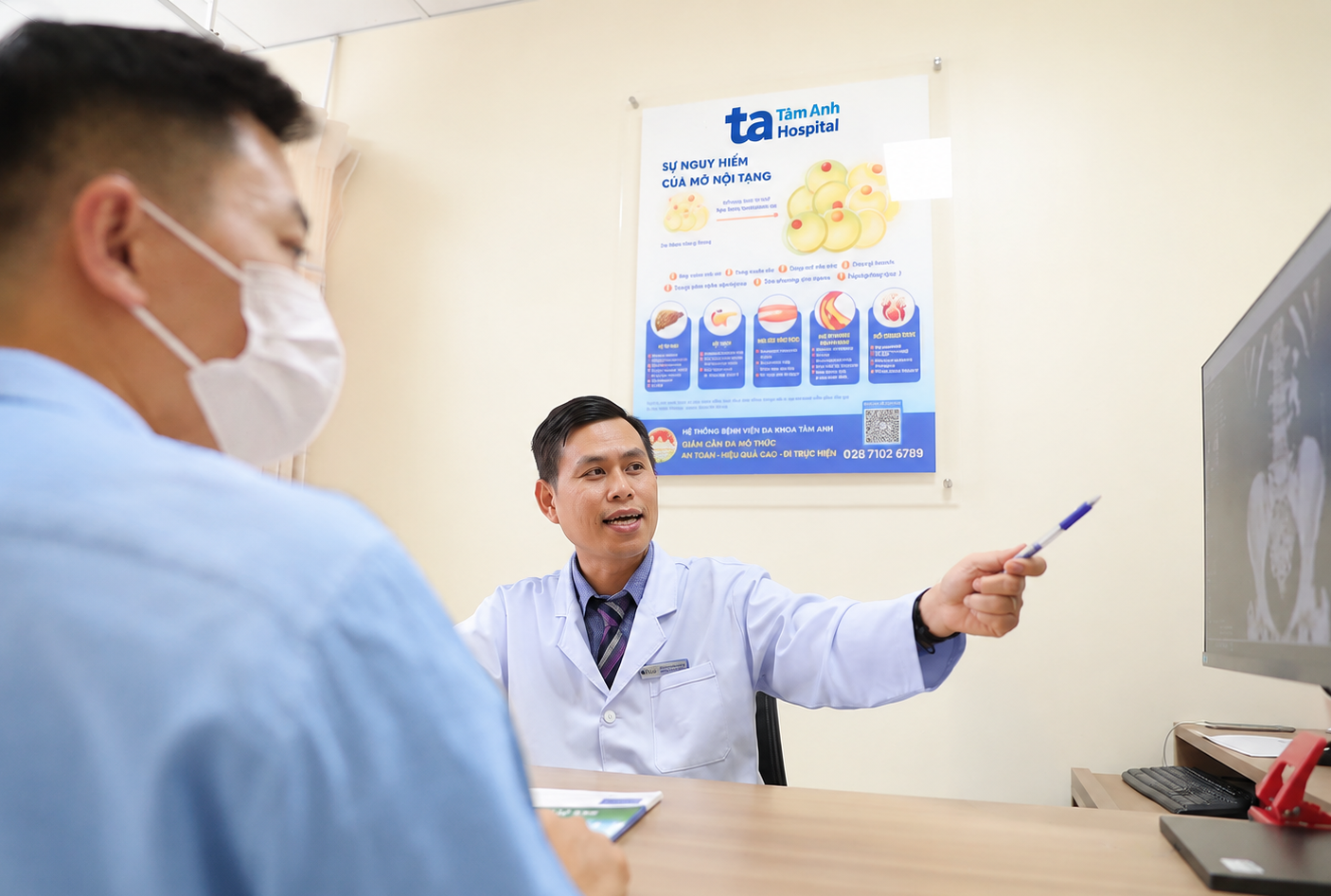 |
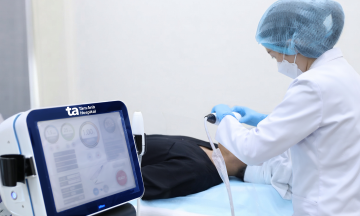
A doctor at Tam Anh General Hospital consults a patient. Illustration: Hospital provided |
A common cause is a decline in testosterone, the hormone largely responsible for male sexual desire. Testosterone levels typically decrease with age and can also decline prematurely due to obesity, diabetes, chronic illness, sleep deprivation, or an unhealthy lifestyle. When this hormone level drops, men often think less about sex and become less proactive in intimacy over extended periods.
Additionally, psychological factors play a significant role. Work pressure, financial stress, anxiety, depression, family conflicts, or life events can cause the brain to prioritize stress resolution. Many men still love their partners but lack the interest or energy for intimacy.
Lifestyle habits such as staying up late, insufficient sleep, alcohol abuse, smoking, physical inactivity, or overworking can lead to body fatigue, impacting testosterone production and the nervous system's control over sexual function.
Certain medical conditions, including hypertension, diabetes, cardiovascular disease, thyroid disorders, liver disease, kidney disease, or side effects from some medications, can also reduce male libido.
It is important to distinguish between voluntary abstinence from sex and a genuine loss of sexual desire. Some men may "put aside" sexual activity due to work, personal goals, or life circumstances, yet they retain normal sexual desire and ability when appropriate conditions arise. Conversely, if there is a lack of interest, reduced morning erections, decreased erectile function, persistent fatigue, or muscle mass loss, these could be signs of testosterone decline or an underlying health issue requiring attention.
If the condition persists and affects family happiness or quality of life, men should visit a medical facility with a male health specialty for examination and diagnosis.
You should regularly share and support your husband in daily life. Additionally, you may consider supplementing his diet with natural essences such as eurycoma longifolia, French maritime pine, and ocean oysters. These ingredients can help promote the endogenous production of testosterone and nitric oxide according to the body's needs, thereby enhancing physiological health, maintaining male vitality, and improving overall physical condition.
Master, Doctor Doan Vinh Binh
Medical Information Center
Tam Anh General Hospital, TP HCM
| Readers can submit questions about male health conditions here for a doctor's response. |