Reply:
Upon learning they have high blood fat, many people immediately cut all fats from their diet. However, the key is not to eat very little fat, but to choose the right types of fat.
Fats from animal fat, chicken skin, offal, and repeatedly fried foods can increase LDL-cholesterol (often called "bad cholesterol"), so these should be limited. Conversely, some fats benefit cardiovascular health. Unsaturated fats found in marine fish, olive oil, avocados, or nuts like almonds and walnuts can help improve blood lipid levels when consumed in moderation.
Many believe high blood fat is solely related to dietary fats. However, sugar and refined carbohydrates can also contribute to increased triglycerides, a type of fat in the blood.
Sweetened beverages, milk tea, confectionery, white bread, or excessive white rice consumption can lead the liver to produce more fat. Instead, people should prioritize slow-absorbing carbohydrates like oats, brown rice, potatoes, or whole grains.
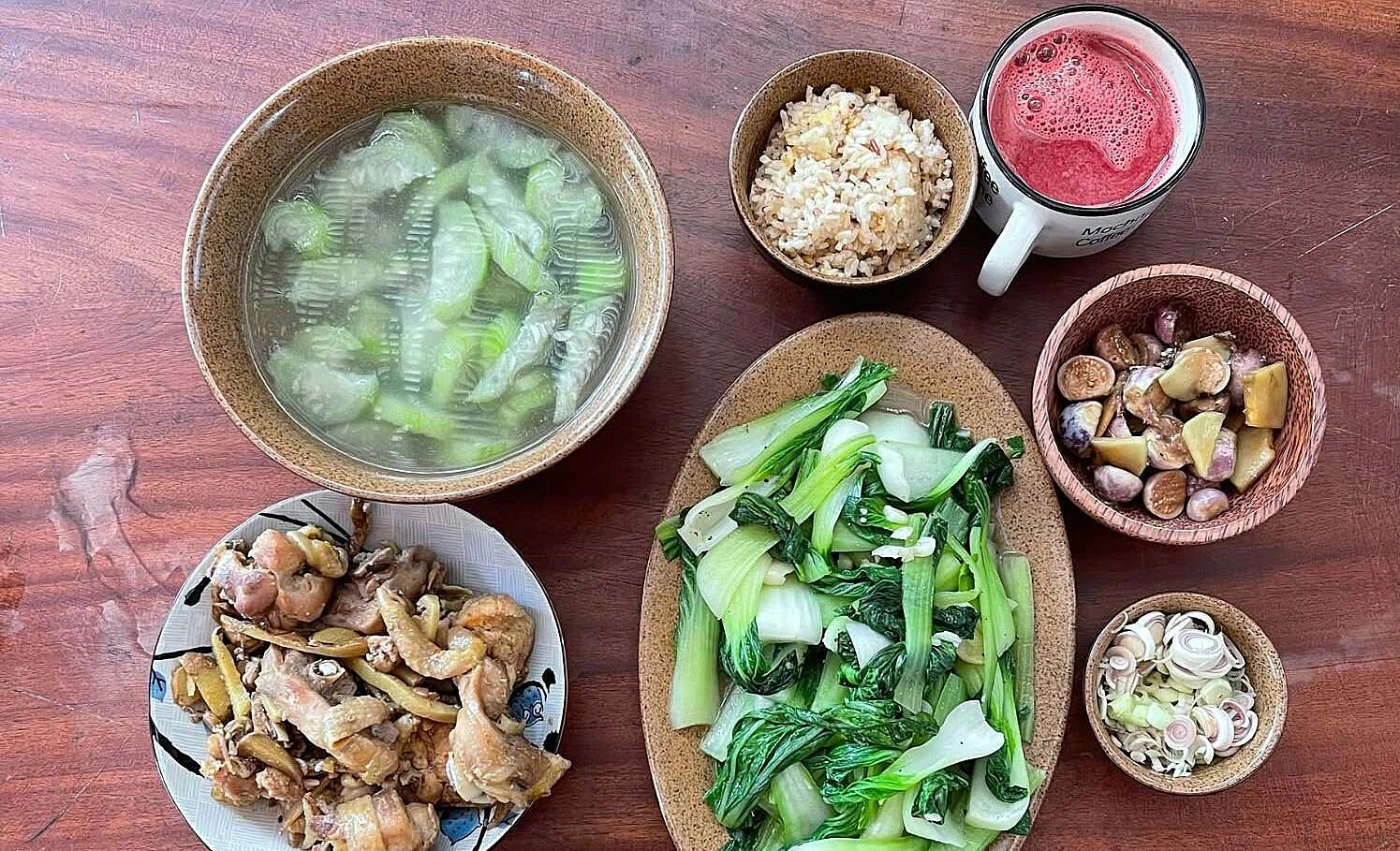
A diet rich in green vegetables and fresh fruits is almost always recommended for cardiovascular health. Fruits and vegetables provide significant soluble fiber, which helps reduce cholesterol absorption from the intestines into the bloodstream. They also contain many antioxidants that protect blood vessel walls. A simple yet effective rule is that at least half of each meal plate should consist of vegetables.
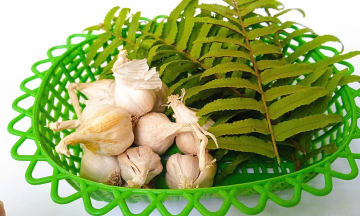
Some natural foods are also considered beneficial for managing blood fat, such as garlic, which contains compounds that can mildly reduce cholesterol. Green tea, rich in antioxidants, is good for heart health. In traditional medicine, lotus leaves are often used in teas to help lower blood fat. Generally, these foods play a supportive role; the most noticeable effects come from a balanced diet and a healthy lifestyle.
Doctor Duong Minh Tuan
Department of Endocrinology and Diabetes, Bach Mai Hospital