The human papillomavirus (HPV) vaccine does not cure uterine fibroids; however, it is effective in preventing diseases caused by the HPV virus. Uterine fibroids are common among women, with an estimated 25% experiencing clinical symptoms during their reproductive years and another 25% requiring treatment for severe symptoms. Untreated fibroids can lead to complications such as pain from compression, heavy menstrual bleeding, prolonged bleeding, necrosis, and infections, all of which impact quality of life. Furthermore, uterine fibroids can contribute to infertility, subfertility, miscarriage, and premature birth.
Currently, the exact cause of uterine fibroids remains unclear. Some studies suggest links to genetic factors, hormonal imbalances, abortion, obesity, and HPV infection. Patients like Nguyen Thi Tuyet should adhere to their doctor's treatment plan, maintain a healthy weight, increase physical activity, and consume plenty of green vegetables and fruits.
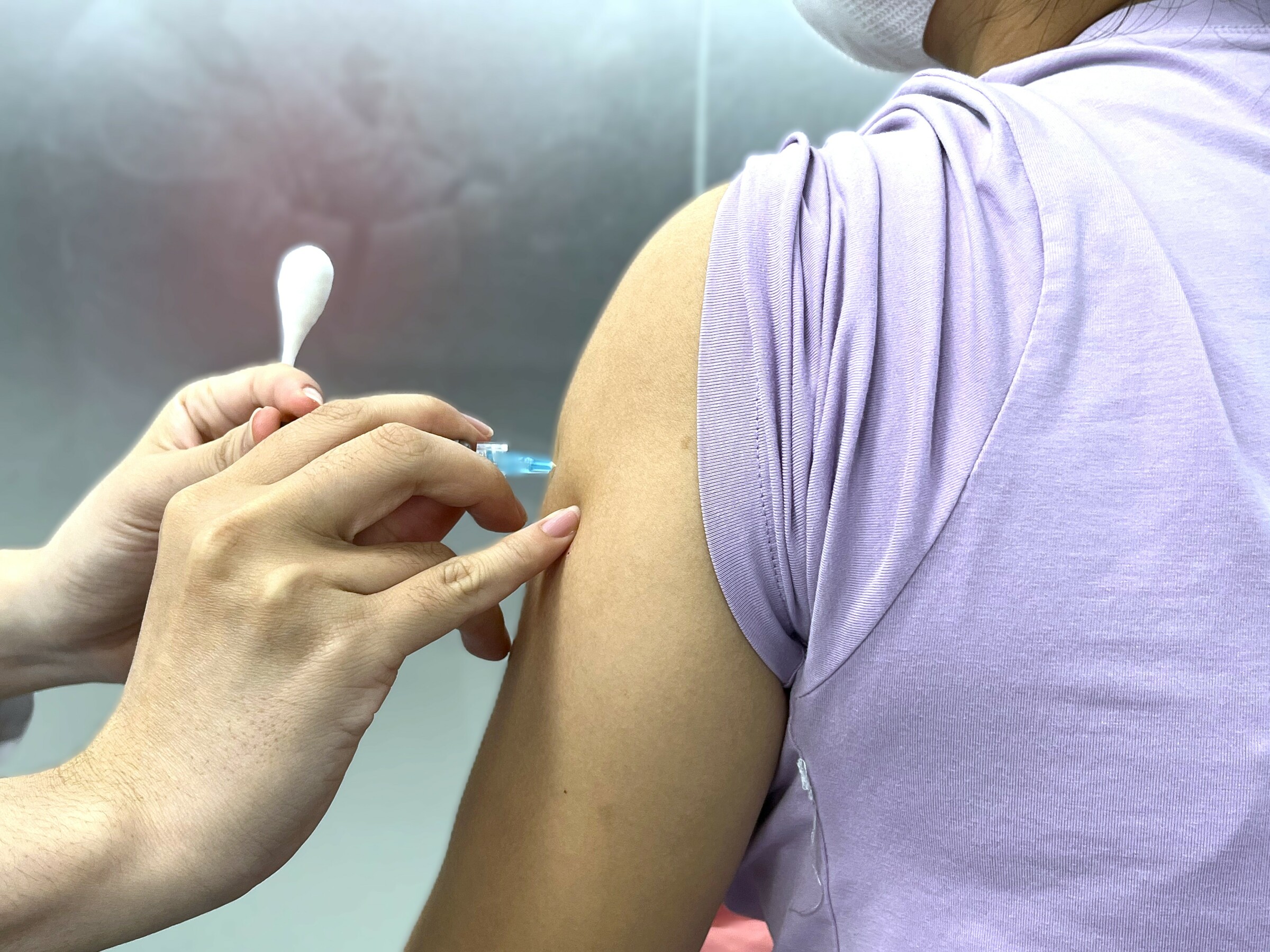 |
A 40-year-old woman receives the Gardasil 9 vaccine to prevent genital warts and cancers caused by the HPV virus at VNVC Thu Duc. Photo: Dieu Thuan
HPV, or human papillomavirus, is a papillomavirus with over 200 different virus types. Among these, types 6 and 11 cause genital warts, while 15 high-risk types—including 16, 18, 31, 33, 35, 39, 45, 51, 52, 56, 58, 59, 66, and 68—can lead to cancers of the cervix, oropharynx, vulva, and vagina. The virus primarily spreads through sexual contact and skin-to-skin contact.
Statistics indicate that the lifetime risk of HPV infection is 85% for women and 91% for men. Nearly 100% of cervical cancer cases are linked to high-risk HPV, with types 16 and 18 accounting for nearly 70% of these.
Currently, Vietnam utilizes two types of HPV vaccines: Gardasil and Gardasil 9. The Gardasil vaccine is administered to individuals aged 9-26 years. Girls aged 9 to under 14 years receive two doses 6-12 months apart, while those aged 14-26 years receive three doses. The Gardasil 9 vaccine is administered to individuals aged 9-45 years. Children aged 9 to under 15 years receive two doses 6-12 months apart, and those aged 15-45 years receive three doses within 6 months.
Individuals already infected with one strain of HPV can still receive the vaccine to protect against other strains. The HPV vaccine helps safeguard the body from the risk of infection with different strains and reduces the risk of reinfection with the currently acquired strain, as well as associated complications.
Master of Science, Doctor Ngo Thi Kim Phuong
Medical Manager, VNVC Vaccination System
Readers can submit questions for vaccine consultation to be answered by a doctor here.