Coffee is a familiar beverage for millions. Many believe that heavy consumption leads to osteoporosis. In reality, caffeine can influence calcium absorption and excretion.
Caffeine slightly reduces calcium absorption
Calcium is an important mineral that helps maintain bone density and strength. According to Verywell Health, caffeine may slightly reduce the amount of calcium the body absorbs from food while also increasing calcium excretion through urine. However, the amount of calcium lost after each cup of coffee is minimal and typically does not significantly affect healthy individuals with adequate dietary calcium.
Experts at Mayo Clinic state that this effect is easily offset by ensuring sufficient calcium in the daily diet. Therefore, there is no need to eliminate coffee solely due to concerns about bone health.
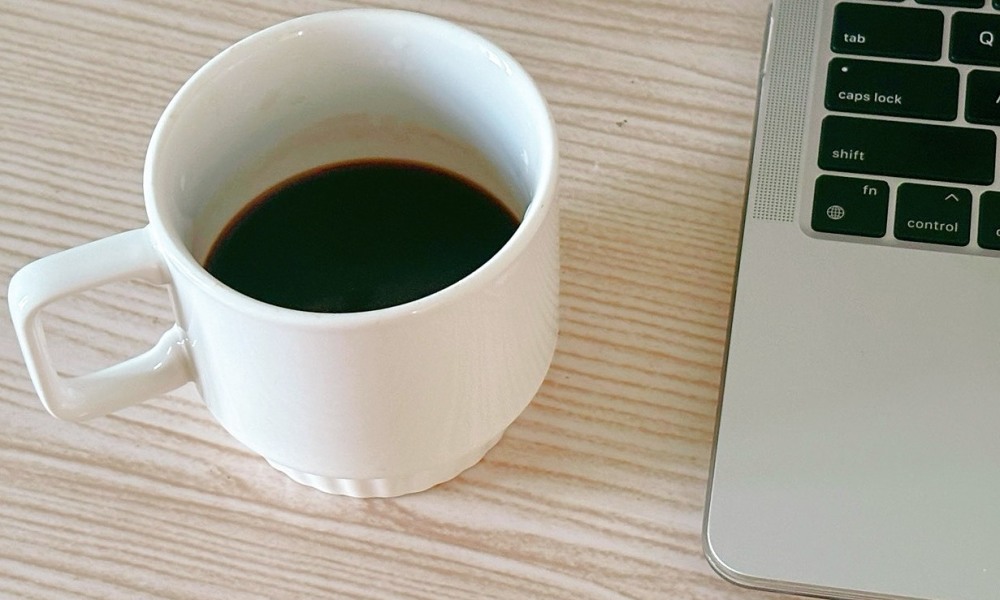 |
Coffee contains caffeine, which boosts alertness. Photo: Bao Bao |
Does coffee consumption truly cause osteoporosis?
According to Harvard Health, several studies have noted that individuals who consume large amounts of coffee may have a higher risk of osteoporosis or fractures. However, scientists suggest these findings could be influenced by other factors such as low calcium intake, smoking, or a sedentary lifestyle. When these factors are considered, the link between coffee and osteoporosis becomes less clear.
This indicates that for healthy individuals with a balanced diet and sufficient calcium, drinking a few cups of coffee daily is unlikely to be a primary cause of bone weakening. Maintaining adequate nutrition and a healthy lifestyle is crucial for long-term bone health.
Some individuals should exercise more caution
Caffeine's effect on bones varies among individuals. According to Healthline, those with osteoporosis or low bone density should monitor their coffee intake to avoid increasing the risk of bone loss.
Postmenopausal women, individuals with calcium or vitamin D deficiencies, those on prolonged corticosteroid use, or people with conditions affecting bone metabolism also need greater caution. For these groups, excessive coffee consumption may contribute to an increased risk of bone density decline if other risk factors are not well-managed.
How to drink coffee to protect bone health
Experts suggest that consuming too much caffeine can still impact bone health. An intake of under 400 mg of caffeine daily (equivalent to about 3-4 cups of brewed coffee) is generally considered safe for most healthy adults. However, very high consumption, around 800 mg of caffeine in a short period, can significantly increase calcium loss through urine.
Regularly engaging in weight-bearing exercises such as walking, light jogging, or strength training helps stimulate bone formation. Ensuring a diet with adequate calcium and vitamin D, limiting smoking and alcohol, and maintaining a healthy weight also help reduce the risk of osteoporosis.
Bao Bao (Compiled)