Many people attribute hair loss to shampoo, weather, or stress, but diet can also be a silent culprit.
Insufficient protein intake
Hair is primarily composed of keratin, a protein. When the diet lacks sufficient protein, the body prioritizes nutrient distribution to vital organs like the heart and brain, rather than hair. This can cause hair follicles to enter the resting phase prematurely, leading to increased hair shedding.
According to Healthline, prolonged protein deficiency can also result in slow hair growth, thinner strands, and increased breakage. Individuals on restrictive diets, those who exclude many food groups, or older adults face a higher risk of protein deficiency.
To maintain healthy hair, incorporate protein from lean meat, fish, eggs, dairy, soy, legumes, and nuts into your daily diet. Healthy adults should aim for approximately 0.8 g of protein per kilogram of body weight daily to meet minimum bodily needs, prevent deficiencies, and support basic functions.
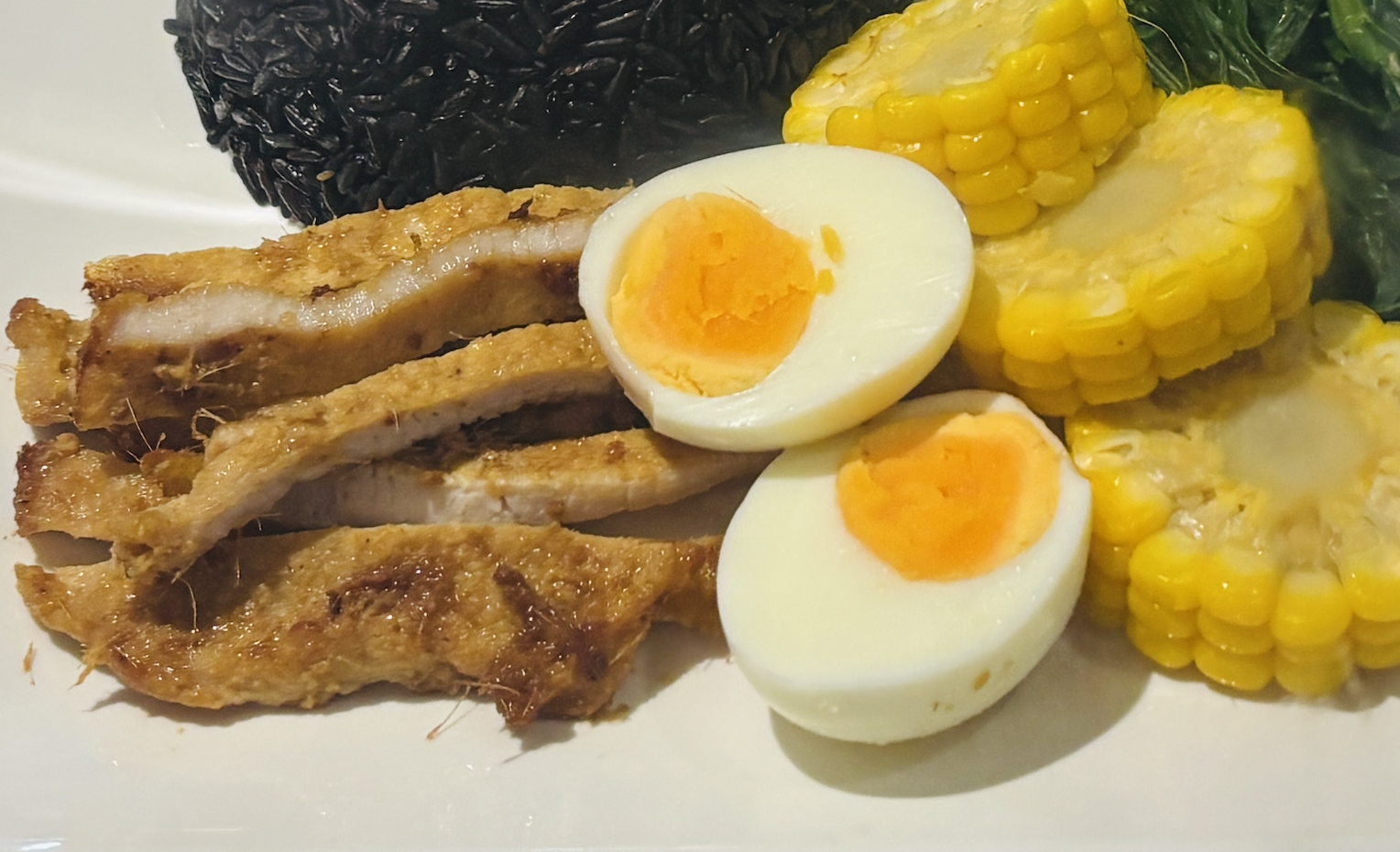 |
Adequate protein intake from foods like eggs and lean meat supports the normal hair growth cycle. Bao Bao |
Adequate protein intake from foods like eggs and lean meat supports the normal hair growth cycle. Bao Bao
Excessive dieting
Some individuals experience significant hair loss several months after rapid weight loss. This occurs because drastically reducing calories in a short period can deprive the body of energy and essential nutrients required for hair growth.
Rapid weight loss also increases the risk of deficiencies in protein, iron, zinc, and other micronutrients. These elements are crucial for the normal hair follicle growth cycle. Experts advise losing weight gradually through a balanced diet rather than resorting to extreme dieting methods or completely eliminating food groups.
Iron and zinc deficiency in the diet
Iron helps transport oxygen to cells, including hair follicles. An iron deficiency can reduce the oxygen supply to hair follicles, making hair weaker and more prone to shedding. This is also a common cause of hair loss in women.
Zinc plays a crucial role in hair tissue development and repair. According to Verywell Health, zinc deficiency can lead to thinner hair and affect new hair growth. Eatingwell notes that vegetarians, individuals with unbalanced diets, or those with conditions that impair nutrient absorption are more susceptible to zinc deficiency. Instead of self-prescribing supplements, prioritize food sources rich in iron and zinc, such as lean red meat, seafood, eggs, legumes, pumpkin seeds, and whole grains.
High intake of processed foods
Ultra-processed foods often contain added sugars, unhealthy fats, and few vitamins and minerals. A long-term diet reliant on these foods can prevent the body from receiving sufficient nutrients essential for hair.
Maintaining a balanced diet rich in green vegetables, fruits, whole grains, high-quality protein, and healthy fats will better support hair follicle health. Conversely, relying on fast food, sugary drinks, and sweets can diminish the overall nutritional quality of your diet.
If hair loss is prolonged, appears in patches, is accompanied by itching, scalp pain, or if you lose more than 100 strands daily for many consecutive weeks, consult a dermatologist to determine the cause. Hair loss is not always diet-related; it can also stem from genetics, hormonal imbalances, stress, thyroid conditions, or side effects of certain medications.
Bao Bao (Compiled)