Response:
The kidneys are vital organs responsible for filtering blood, removing waste products, and regulating water and electrolytes in the body. Urine is produced in the kidneys, then travels through the ureters to the bladder for temporary storage before being expelled.
For healthy individuals, occasionally holding urine typically does not cause immediate kidney damage. However, frequent retention can increase the risk of affecting the urinary system and kidney function. When urine is held, it remains in the bladder longer than normal, causing increased pressure. This prolonged state can lead to reduced elasticity of the bladder wall, a diminished urge to urinate, and result in urinary retention or incomplete bladder emptying.
In individuals with pre-existing conditions such as urinary stones, prostate enlargement, urethral stricture, or bladder dysfunction, prolonged urine retention can lead to stagnation, increasing pressure on the upper urinary tract. This can impact kidney activity, potentially reducing the glomerular filtration rate and even leading to kidney failure.
 |
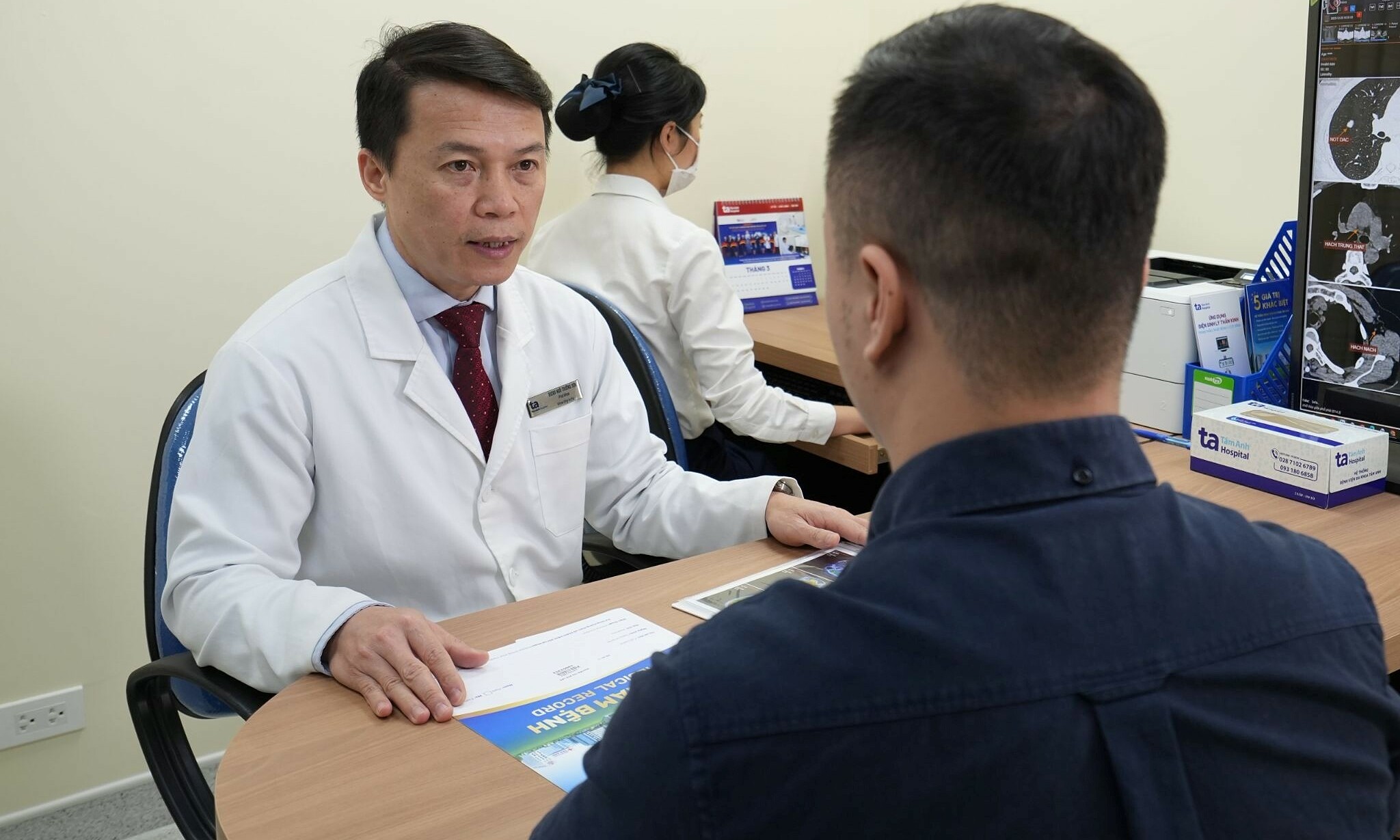
Doctor Huy advises a patient. Illustration: Tam Anh General Hospital |
Frequent urine retention also elevates the risk of urinary tract infections (UTIs) because urine remaining in the bladder for extended periods provides a breeding ground for bacteria. In some cases, bacteria can spread upward to the kidneys, causing pyelonephritis. If not detected and treated promptly, or if infections recur multiple times, this condition can cause damage to kidney tissue and affect long-term kidney function.
Prolonged urine stagnation can also increase the risk of stone formation in the urinary system. Stones obstruct the flow of urine, which not only heightens the risk of infection but can also lead to hydronephrosis, impacting kidney function if not managed promptly.
Overall, holding urine is not a direct cause of kidney failure in healthy individuals. However, it is an unhealthy habit for the urinary system and can increase the risk of developing kidney-related problems, especially when practiced for many years or in individuals who already have urinary tract conditions.
To protect your urinary system and kidney function, you should urinate when you feel the urge, avoiding prolonged retention. You should drink enough water daily and seek medical attention if abnormal symptoms appear, such as painful urination, frequent urges to urinate, difficulty urinating, incomplete bladder emptying, or lower back pain.
Doctor Nguyen Quang Huy
Department of Nephrology - Dialysis
Tam Anh General Hospital, Hanoi