Response:
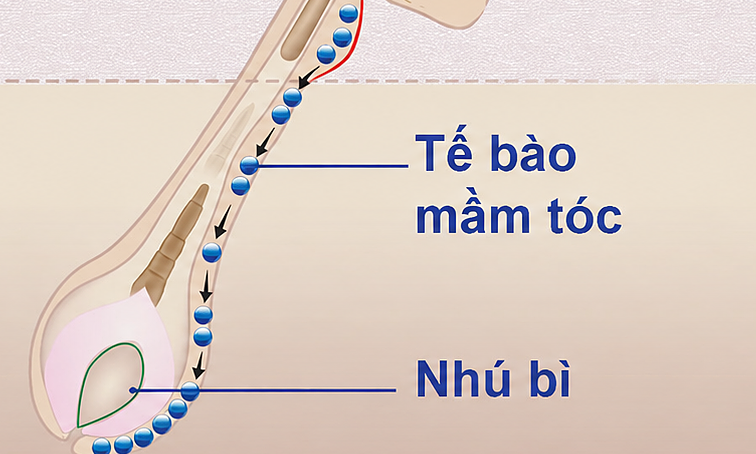
Postpartum hair loss is a common consequence of a sudden drop in estrogen, which shifts the hair growth cycle into a resting phase. This condition often extends for breastfeeding mothers, as the hormone prolactin can inhibit estrogen regeneration, leading to increased shedding. While typically a temporary physiological occurrence, improper intervention can weaken hair follicles, potentially resulting in permanent hair thinning.
Given your noticeable hair thinning at the crown and current breastfeeding status, conservative and biological stimulation methods are prioritized over invasive surgical procedures.
 |
Dermoscopy examination of hair follicles to assess postpartum hair loss. Illustration: Tam Anh General Hospital. |
Low-level laser therapy (LLLT) offers a suitable solution. This non-invasive method uses red or near-infrared light to stimulate mitochondria within hair follicle cells. LLLT improves blood circulation in the scalp, delivering oxygen and nutrients to prolong the hair's growth phase. Crucially, this treatment involves no chemicals, causes no pain, and does not affect breast milk quality, making it ideal for mothers nursing young children.
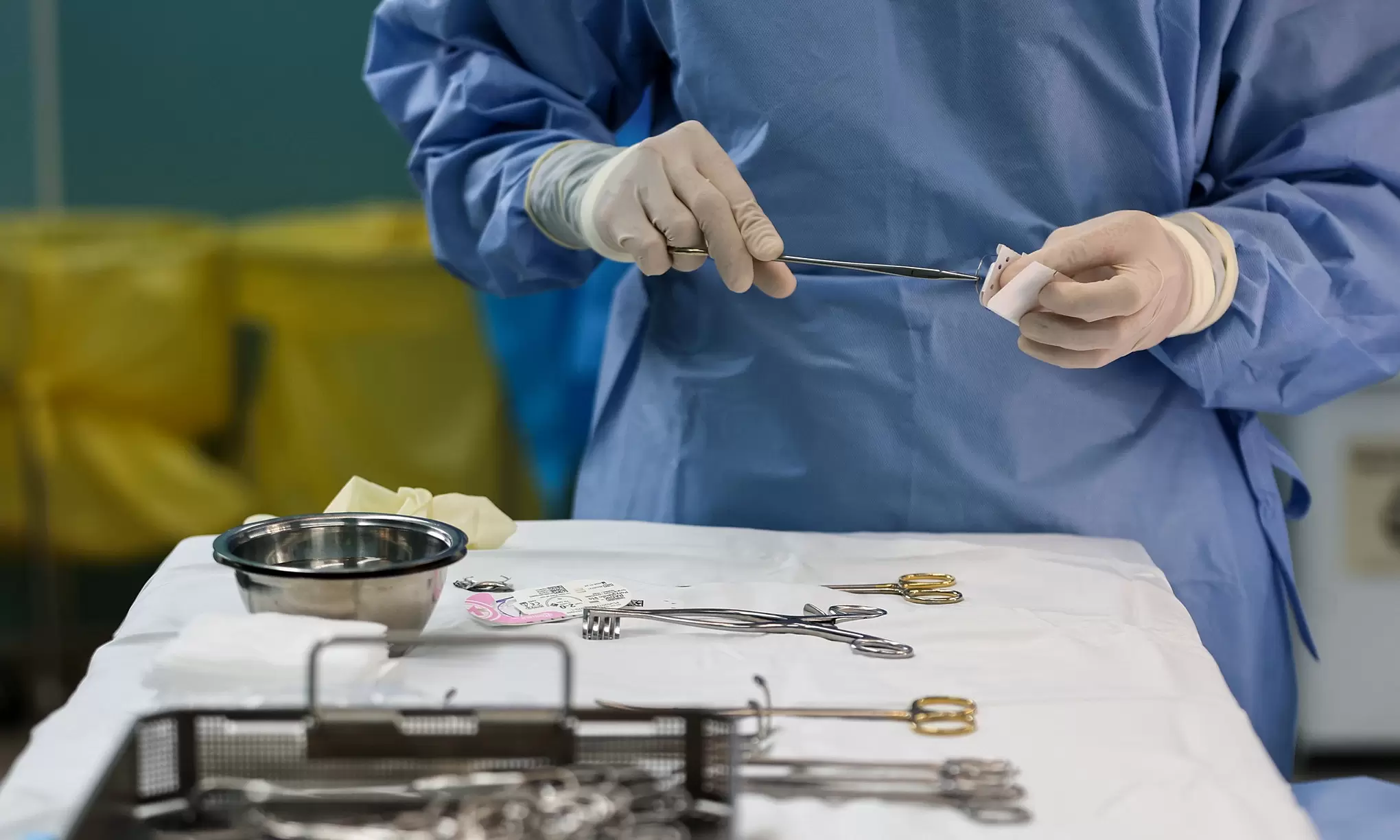
Autologous hair transplantation, a surgical procedure involving the transfer of healthy hair follicles from the back of the head to thinning areas, is typically reserved for cases of completely atrophied hair follicles or congenital baldness. The procedure requires local anesthetics, antibiotics, and post-operative painkillers, which are unsuitable for breastfeeding women. Furthermore, hair transplantation is a costly option with a longer recovery period compared to light therapy.
For optimal results, it is advisable to consult a reputable general hospital with a cosmetic dermatology department. A doctor can use a specialized analysis machine to examine your hair follicles and accurately assess the density of active follicles across your scalp. This precise evaluation helps determine if laser intervention is necessary.
Additionally, postpartum and breastfeeding mothers should undergo blood tests for micronutrient levels, including iron, zinc, and vitamin D, as severe nutritional deficiencies are common. A personalized hair loss treatment plan often combines regular laser sessions with a protein-rich diet, vitamin B and mineral supplements, and the use of gentle herbal shampoos.
Stress and sleep deprivation, common challenges when caring for infants, can exacerbate hair loss. Stress triggers the production of cortisol, a hormone that constricts blood vessels and impedes nutrient delivery to hair. Maintaining a positive lifestyle, ensuring adequate sleep, and gently massaging the scalp daily can enhance treatment effectiveness. Avoid using unproven traditional remedies or harsh shampoos, as these can irritate an already sensitive postpartum scalp. Consistent medical monitoring is crucial for postpartum women undergoing hair loss treatment to ensure both efficacy and the safety of mother and baby.
Dr. Nguyen Thi Viet Ha
Department of Dermatology
Tam Anh General Clinic Cau Giay
| Readers can send questions about dermatological and cosmetic skin conditions here for doctors to answer. |