Eng English
China 中国人

Eng English
China 中国人
  • News
  • World
  • Business
  • Entertainment
  • Sports
  • Law
  • Education
  • Health
  • Lifestyle
  • Travel
  • Science
  • Digital
  • Automobiles
  • Trở lại Thể thao
  • Health
Friday, 24/7/2026 | 11:01 GMT+7

Does inhaling chemicals pose a risk of birth defects?

A 25-year-old pregnant woman, Thanh Nga from Ho Chi Minh City, frequently inhales chemical odors from nearby factories, asking if this exposure increases the risk of birth defects.

Pregnant women who are regularly exposed to toxic airborne agents face an increased risk of birth defects, according to the American College of Obstetricians and Gynecologists.

Prolonged exposure to high concentrations of industrial chemicals can elevate the risk of adverse effects on fetal development. This risk is particularly high during the critical fetal organ formation stage, from 3 to 8 weeks of gestation.

Pregnant women should be aware of several industrial chemicals and solvent sources, including: paint fumes, varnish, solvents containing toluene, xylene, benzene, pesticides, insecticides, smoke from burning plastic, rubber, or waste, tobacco smoke, and carbon monoxide. Regular exposure to these substances can be linked to neural tube defects, heart defects, cleft lip and palate, intrauterine growth restriction, miscarriage, preterm birth, neurodevelopmental delays, and reduced IQ.

If your home is near an industrial zone and chemical odors are only occasionally carried by the wind, it is not possible to definitively state that this will cause birth defects. The level of risk depends on the type of chemical, its concentration in the air, the duration of exposure, and environmental control systems. To mitigate risks, pregnant women should limit opening windows when strong chemical odors are present, use an air purifier if conditions allow, and avoid prolonged stays or activities in areas with unpleasant smells.

Doctor Ung Quoc Thuong, Specialist Level I, advises a pregnant woman on fetal defect screening. Illustration: Tam Anh General Hospital

Regular prenatal check-ups, fetal defect screening ultrasounds at each pregnancy milestone, and prenatal screening tests as prescribed by a doctor are crucial. These are the most effective measures to monitor fetal development and detect any abnormalities.

Key screening milestones for birth defects include:

From 11 weeks to 13 weeks and 6 days: Nuchal translucency ultrasound combined with screening tests (double test or NIPT) assesses the risk of chromosomal abnormalities such as Down syndrome, Edwards syndrome, and Patau syndrome.

From weeks 20 to 24: A detailed morphological ultrasound (5D ultrasound or anatomical scan) comprehensively examines the brain, spine, heart, lungs, kidneys, abdominal wall, and limbs. This is the most critical milestone for detecting most structural defects. If the morphological ultrasound suggests a heart abnormality or if the mother has high risk factors, the doctor may recommend a specialized fetal echocardiogram.

From weeks 28 to 36: Pregnant women undergo ultrasound to monitor growth, amniotic fluid, and placenta, detecting any late-appearing abnormalities and planning for delivery.

These ultrasound milestones are essential for a healthy pregnancy progression. Depending on the health of the mother and baby, as well as risk factors the mother was exposed to before and during pregnancy, the doctor may order additional necessary tests to screen for the risk of birth defects.

Doctor Ung Quoc Thuong, Specialist Level I

Obstetrics and Gynecology Center

Tam Anh General Hospital, Ho Chi Minh City

Readers can submit questions about pregnancy and childbirth here for a doctor's answers.
By VnExpress: https://vnexpress.net/hit-phai-hoa-chat-co-nguy-co-di-tat-thai-nhi-5101104.html
Tags: birth defects chemicals pregnancy

News in the same category

Meats that make your stomach 'cry for help' when consumed excessively

Meats that make your stomach 'cry for help' when consumed excessively

Charred grilled meat, fatty meat, or processed meat are unhealthy products that should be limited, according to experts.

The role of specialized synbiotics in infant immunity

The role of specialized synbiotics in infant immunity

Experts discussed the importance of gut microbiota and specialized synbiotic solutions for children's resistance at the 2026 National Scientific Conference on 7/6.

Diagnosed with two thyroid conditions at age 15

Diagnosed with two thyroid conditions at age 15

Ethan, 15, experienced an enlarged neck, voice changes, and difficulty breathing, initially attributed to puberty, but doctors diagnosed him with hyperthyroidism and a large thyroid cyst.

Can drinking lemon water help reduce gout symptoms?

Can drinking lemon water help reduce gout symptoms?

I have gout, and friends have suggested drinking lemon water to improve my condition. Is this true? (Duc Bui, Ho Chi Minh City)

4 Common Kitchen Ingredients to Relieve Aches and Pains

4 Common Kitchen Ingredients to Relieve Aches and Pains

Ginger, lemongrass, mugwort, and coarse salt, when heated and applied as a compress, can alleviate body aches, aid detoxification, and reduce pain.

Three micronutrients support children's immunity

Three micronutrients support children's immunity

Vitamins A, D, and zinc are three micronutrients that help boost immunity and support children's comprehensive development.

Four daily habits that increase disease risk from dogs

Four daily habits that increase disease risk from dogs

Pet owners often unknowingly increase their risk of contracting diseases from their dogs through common habits like infrequent bathing, manually removing ticks and fleas, and sharing a bed.

Diabetic foot tendonitis

Diabetic foot tendonitis

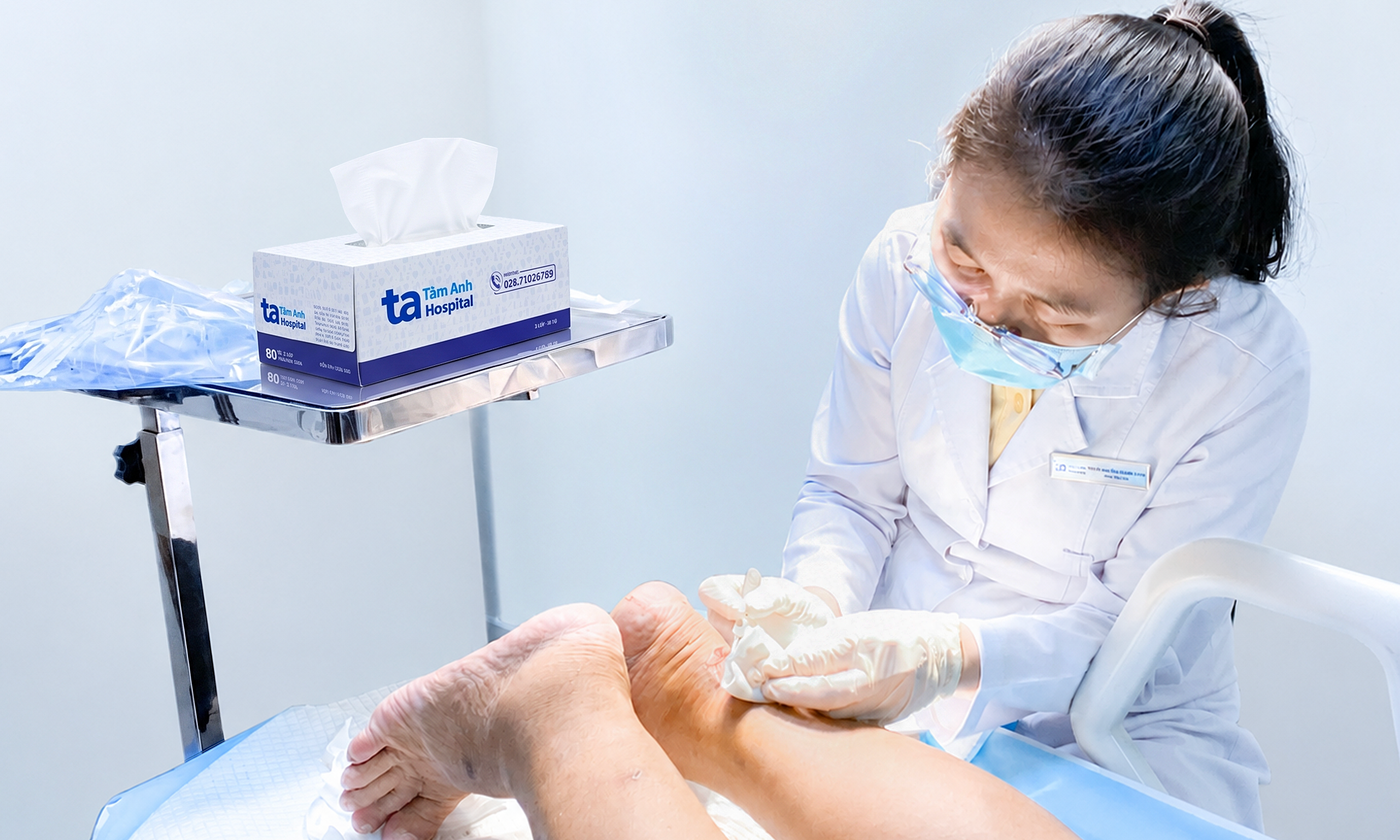
Mr. Nhut, 68, who has lived with diabetes for 20 years, recently developed a scrape on his left ankle, leading to tendonitis, pain, leg stiffness, and an inability to walk.

Why you should not rub your eyes after refractive surgery

Why you should not rub your eyes after refractive surgery

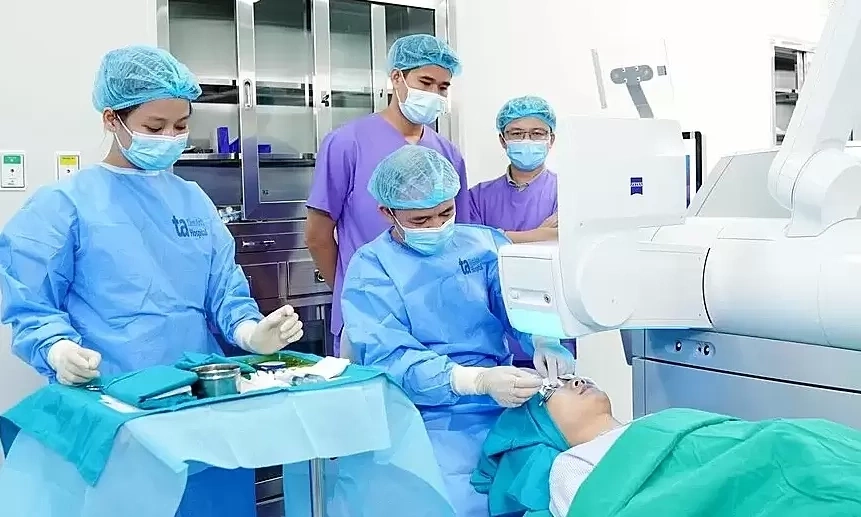
Rubbing your eyes after refractive surgery can damage the healing cornea, increasing the risk of corneal flap displacement, infection, and impacting treatment outcomes.

Does inhaling medicated oil cure nasal congestion?

Does inhaling medicated oil cure nasal congestion?

A 35-year-old patient from Dong Nai, Kim Ngo, often experiences nasal congestion. She found that inhaling medicated oil initially helped, but its effectiveness waned over time. She wonders why this occurs and if she should consult a doctor.

Eng English
China 中国人
  • News
  • World
  • Business
  • Entertainment
  • Sports
  • Law
  • Education
  • Health
  • Lifestyle
  • Travel
  • Science
  • Digital
  • Automobiles
FPT Tower, 10 Pham Van Bach Street, Dich Vong Ward,
Cau Giay District, Hanoi, Vietnam
Email: contacts@vnportal.net
Tel: 028 7300 9999 - Ext 8556
Advertise with us: 090 293 9644
Register
© Copyright 2026 vnnow.net. All rights reserved.
Terms of use Privacy policy Cookies