Answer:
Gout results from prolonged elevated uric acid levels. When uric acid concentration exceeds its solubility threshold, sodium urate crystals form and deposit in joint cartilage, synovial membranes, tendons, soft tissues around joints, and kidneys. These crystals trigger an inflammatory response, leading to acute gout attacks characterized by swelling, warmth, redness, and pain. Over time, this condition can lead to the formation of tophi, joint destruction, and impaired kidney function.
Vitamin C in lemons can slightly increase urate excretion through the kidneys, which may help reduce blood uric acid levels in some individuals. However, this effect is insufficient to control gout, especially in patients who already have urate crystal deposits in their joints or tissues.
Patients must take uric acid-lowering medication as prescribed by a doctor, combined with regular monitoring to adjust the appropriate dosage. Daily lemon water consumption cannot replace prescribed medication. Regular follow-up appointments and tests are necessary to monitor uric acid levels, liver function, and kidney function.
Consuming too much lemon water can irritate the stomach lining, exacerbating symptoms in individuals with gastritis, stomach ulcers, or gastroesophageal reflux disease. The appropriate dosage is about one-half to one fresh lemon mixed with 200-300 ml of warm water daily. It should be consumed after meals, and adding excessive sugar or honey should be avoided.
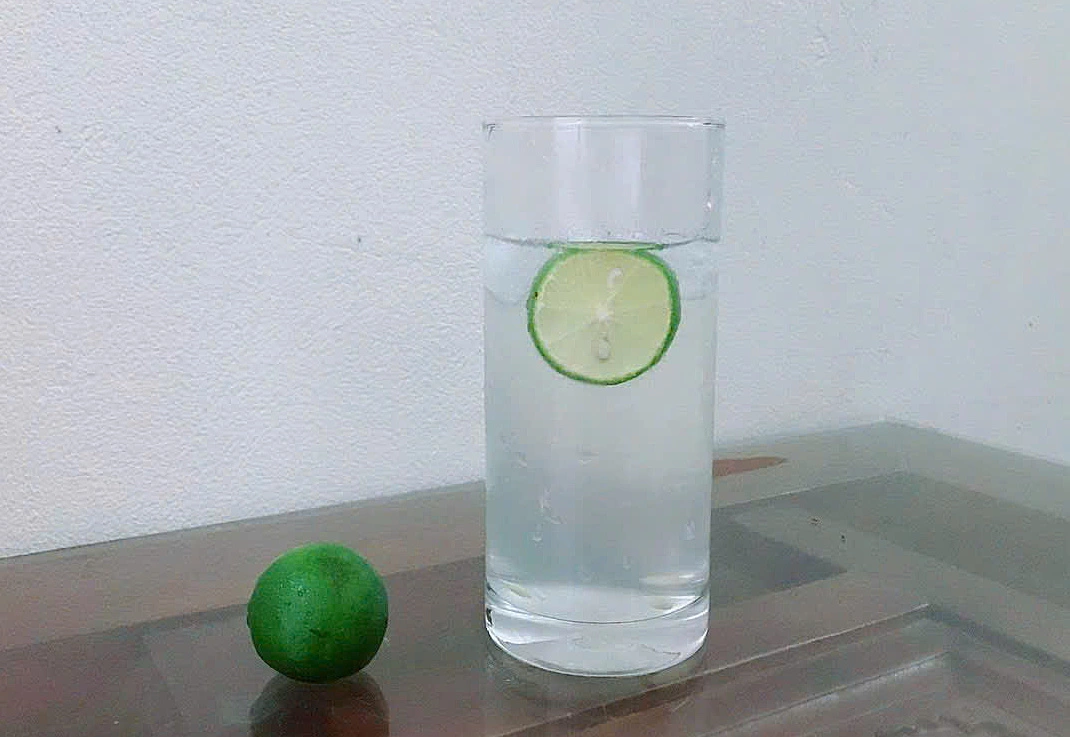 |
Individuals with gout should not overuse lemon water to control their condition. Photo: Bao Bao |
Limit purine-rich foods such as organ meats, some seafood, and red meat. Avoid alcohol, soft drinks, and other sugary beverages, especially those containing high levels of fructose. Prioritize green vegetables, low-sugar fruits, whole grains, low-fat milk, and low-purine protein sources like skinless poultry, eggs, or plant-based proteins. Drinking about two to 2.5 liters of water daily helps increase uric acid excretion through the kidneys, reducing the risk of uric acid stone formation.
Patients may also consider natural supplements containing extracts from eggshell membrane, undenatured type 2 collagen, collagen peptide, chondroitin sulfate, and turmeric extract. These nutrients help reduce inflammatory factors and promote cartilage regeneration.
Patients should not self-diagnose gout based on joint pain symptoms or independently use folk remedies as a substitute for medical treatment. Delaying proper treatment can lead to continuously elevated uric acid levels, resulting in joint destruction, tophi formation, and urinary stones.
The primary goal of gout treatment is to lower blood uric acid levels and maintain them stably over a long period. This approach helps limit the formation of new urate crystals while allowing existing deposited crystals to gradually dissolve, thereby reducing the frequency of acute gout attacks and limiting joint damage.
Dr. Nguyen Thi Dieu Hien
Department of Nutrition - Dietetics
Tam Anh General Hospital, Ho Chi Minh City
| Readers can submit nutrition questions here for a doctor's response. |