Doctor Nguyen Trong Thuy, former head doctor for the Vietnam National and U23 football teams, stated that certain types of meat, if improperly prepared or consumed, can increase the risk of stomach lining damage and gastrointestinal diseases, harming health.
The following are four categories of meat recommended for limited consumption:
Charred grilled meat
Golden, crispy, and charred grilled meat is always appealing, but it should not be eaten frequently. When meat is grilled directly at high temperatures, especially above 200°C, heterocyclic amines (HCAs) can form. Additionally, fat dripping onto coals creates smoke that produces polycyclic aromatic hydrocarbons (PAHs), which can adhere back to the food. Studies show that HCAs and PAHs are compounds that can increase cancer risk with prolonged, high-level exposure. Therefore, it is advisable to limit consumption of charred meat and prioritize cooking methods such as steaming, boiling, or grilling at moderate temperatures.
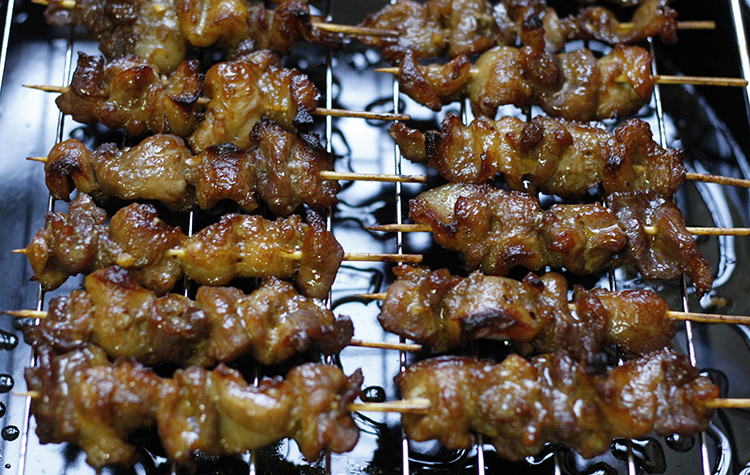 |
Marinated and charred grilled meat should be eaten in moderation. Photo: Bui Thuy |
Salted and overly seasoned meats
Salted meat, dried meat, or meat dishes heavily marinated with salt often contain high sodium levels. A diet rich in salt can damage the stomach's protective lining and create favorable conditions for Helicobacter pylori (HP) bacteria to thrive. This factor increases the risk of chronic gastritis and may be linked to stomach cancer in some cases.
Processed meat
Products like sausages, Chinese sausages, bacon, and cold cuts are processed foods containing nitrites or nitrates for preservation and color retention. According to the World Health Organization (WHO), processed meat is classified as Group 1 – having evidence of causing cancer in humans, particularly increasing the risk of colorectal cancer with regular consumption. In the acidic environment of the stomach, nitrites can transform into nitrosamines, compounds believed to damage cells and increase the risk of gastrointestinal cancer.
Fatty meat and animal skin
Fatty dishes like pork belly, chicken skin, and fried pork skin contain large amounts of saturated fat, slowing down the digestive process. Meals high in fat can delay gastric emptying, stimulate the stomach to produce more acid, worsen symptoms of bloating, indigestion, and increase the risk of gastroesophageal reflux in individuals with pre-existing conditions. Therefore, it is advisable to limit fatty dishes and prioritize lean cuts of meat to reduce the burden on the digestive system.
In addition to limiting the aforementioned meat types, consider incorporating foods beneficial for digestive health. These include okra and yams, which are rich in natural mucilage that helps soothe the stomach lining. Cruciferous vegetables like broccoli and cabbage provide sulforaphane and antioxidants, supporting stomach lining protection. Easily digestible protein sources, such as steamed or boiled chicken breast and fish, offer high-quality protein that is easier to digest than fatty meats.
Overall, there is no need to completely eliminate favorite meat dishes from your diet. The key is to eat a variety of foods, control portion sizes, limit processed items, and prioritize healthy cooking methods to reduce the risk of gastrointestinal diseases and protect long-term health.
Thuy Quynh