Hepatitis B, caused by the Hepatitis B virus, is highly transmissible through blood, estimated to be 50 to 100 times more contagious than HIV. Lip tattooing, or cosmetic procedures like dark lip correction, are invasive. They involve needles penetrating the skin to insert ink, creating many micro-injuries that can bleed or ooze tissue fluid.
If tattoo needles, ink tips, or the environment are not properly sterilized, the virus from a previous client can easily be transmitted to the next. Infections often arise from reusing needles, poorly cleaned tools, ink of unknown origin, staff untrained in infection control, or tattooing at unlicensed facilities.
Individuals already infected with Hepatitis B can still undergo cosmetic tattooing. However, they must adhere to medical regulations to ensure their own safety and prevent transmission to others. Beyond Hepatitis B, many other blood-borne viruses, such as Hepatitis C, HIV, and syphilis, can also be transmitted during tattooing procedures.
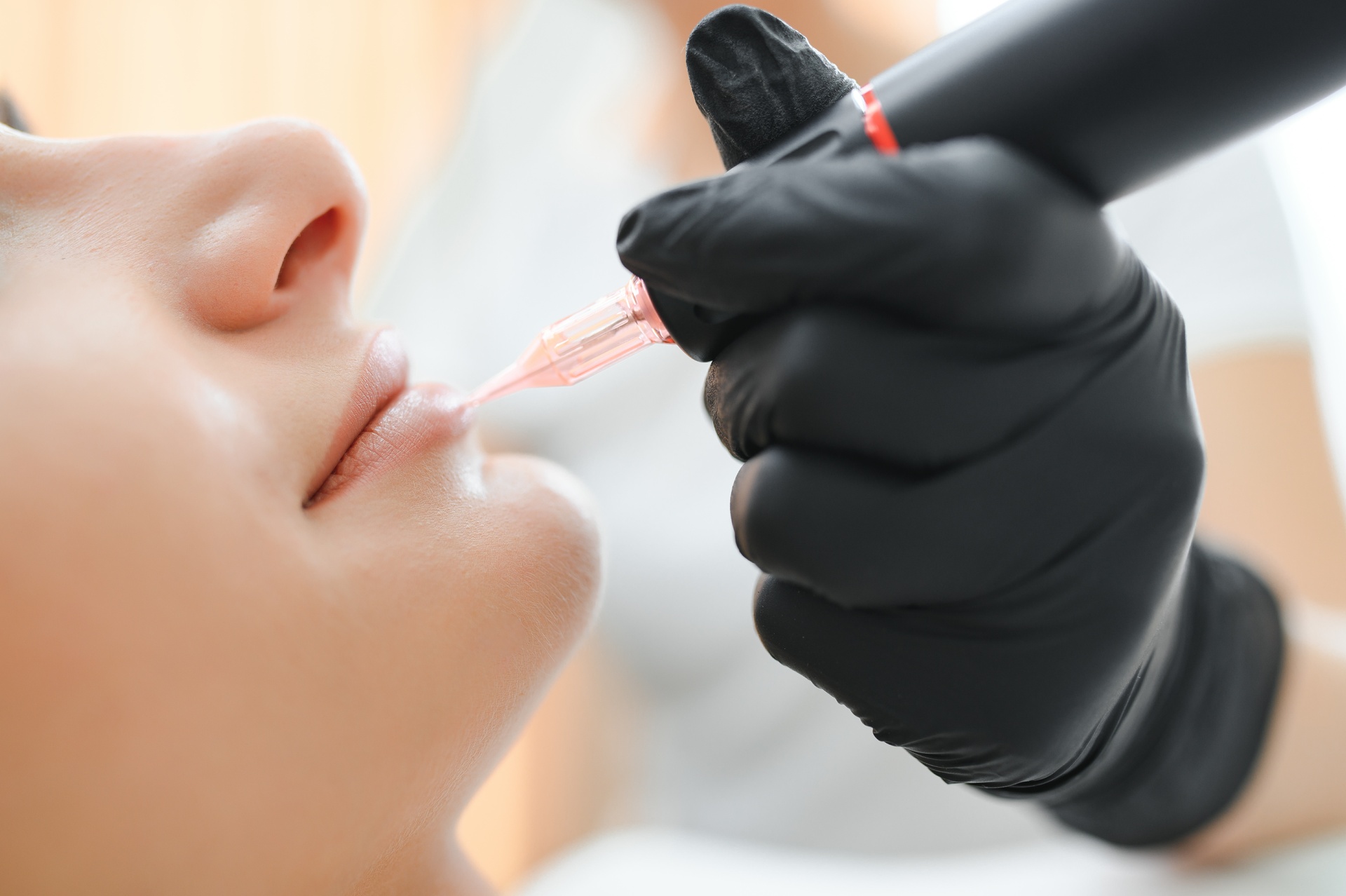 |
Lip tattooing procedures can cause disease transmission if tools are not properly sterilized; attention to hygiene and prevention protocols is crucial. *Illustration: Vecteezy*
Hepatitis B can progress silently, leading to acute hepatitis, liver failure, cirrhosis, or liver cancer. Up to 90% of infected individuals are unaware of their viral status. When discovered, the disease is often in late stages, making treatment difficult.
To minimize the risk of Hepatitis B during invasive procedures, individuals should choose reputable establishments. These facilities must use sterile, single-use tools. Staff must wear gloves and masks, thoroughly disinfect their hands, and prepare the skin area. Tattoo ink needs a clear origin and must be within its expiration date. All surfaces, including tables, tool trays, and items in contact with tattoo needles, must be cleaned before and after each client. Additionally, individuals undergoing lip tattooing should receive clear instructions on how to care for the tattooed area to prevent post-procedure infection.
Hepatitis B can be prevented effectively through vaccination. Three types of vaccine are available: Heberbiovac HB (Cuba), Gene Hbvax (Vietnam), and Twinrix (Belgium), which offers protection against both Hepatitis A and B in one injection. Adults typically require three doses within 6 months and should undergo Hepatitis B testing before vaccination.
Everyone should check their vaccination history and consider getting quantitative Hepatitis B antibody tests to determine if they have protective antibodies. If already infected with Hepatitis B, vaccination is not necessary, as it will no longer be effective.
Additionally, lip tattoo wounds can become infected with tetanus. Vietnam currently offers many types of tetanus vaccines, both single and combined, such as tetanus-diphtheria toxoid, and diphtheria-pertussis-tetanus. The vaccination schedule for these doses is based on age and individual vaccination history. The disease prevention efficacy of the tetanus vaccine is up to 95%.
Doctor Pham Hong Thuy
Medical Manager, VNVC Vaccination System
Readers can ask vaccine consultation questions for doctors to answer here.