Addressing a common misconception, many believe morphine, while temporarily easing pain, ultimately worsens cancer by accelerating cell spread and hastening death. This perspective is unscientific.
Morphine serves as a vital therapeutic option, providing significant pain relief for patients. Doctors prescribe this medication based on the patient's need for pain management, not solely when death is imminent.
Dosage varies by disease stage, with doctors adjusting prescriptions to ensure patient comfort and prevent prolonged suffering. For patients with end-stage cancer, morphine also plays a humanitarian role, enhancing their quality of life during their final days.
It is important to note that not all patients are suitable for morphine. Potential side effects include nausea, vomiting, constipation; drowsiness, dry mouth, appetite loss, fatigue, and body aches. Misuse can even be life-threatening.
Morphine is a controlled substance requiring a doctor's examination, prescription, and strict adherence to medical instructions. Self-medication, or acquiring it without proper medical guidance, can lead to adverse effects, especially when common pain relievers might suffice.
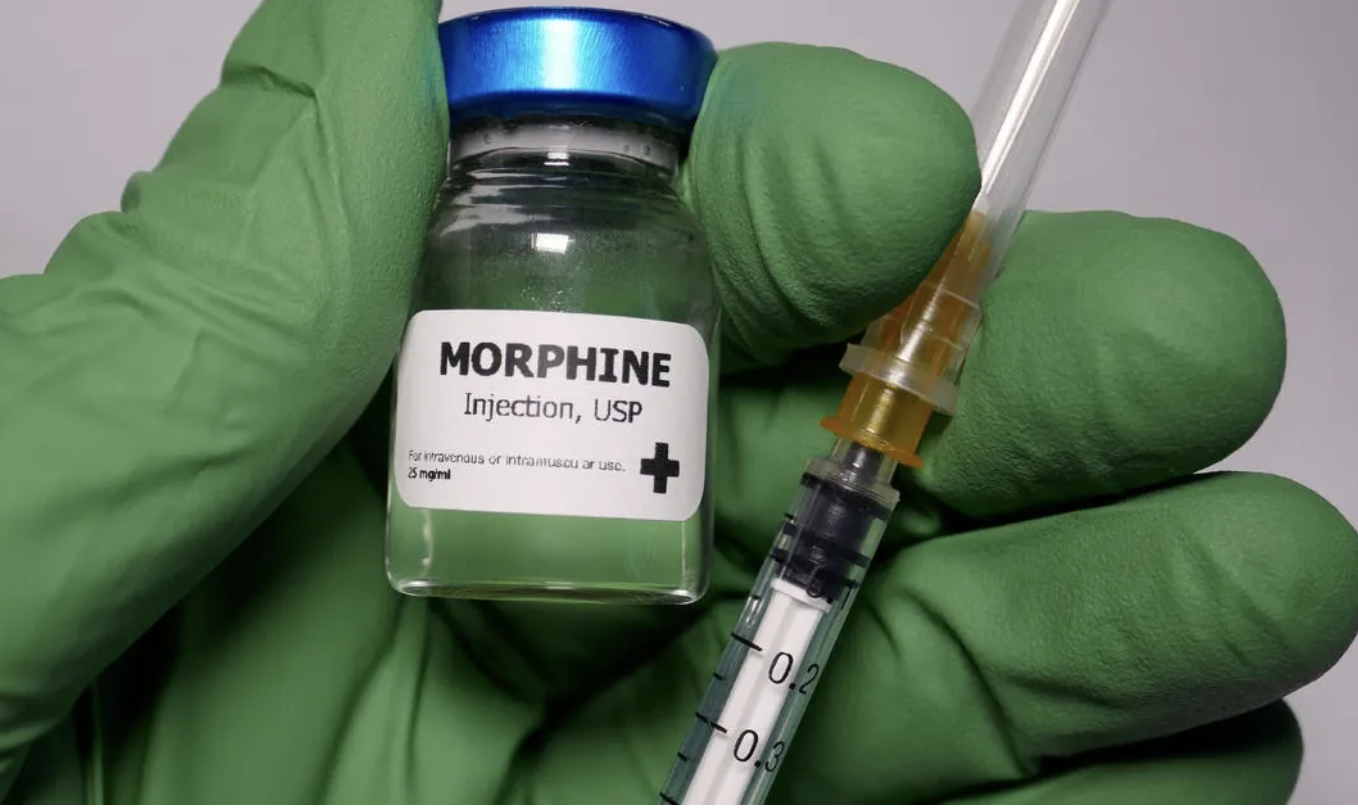 |
Morphine is a prescription medication and should not be used arbitrarily. *Drvorobjev*
Dr. Ha Hai Nam
Deputy Head of Abdominal Surgery Department 1, K Hospital, Hanoi