The feet serve as the body's "silent thermostat", a crucial function explained by Doctor Nguyen Huy Hoang of the Vietnam Association of Underwater and Hyperbaric Medicine. The soles of the feet, unlike other skin areas, are hairless but boast a dense network of blood vessels. These vessels, regulated by the sympathetic nervous system, act as flexible valves, allowing the body to react swiftly to external temperature changes. Prolonged exposure of the feet and lower limbs to cold causes the blood returning to the body's core to cool. This results in a sensation of overall coldness and can trigger abdominal discomfort or intestinal motility disorders in sensitive individuals.
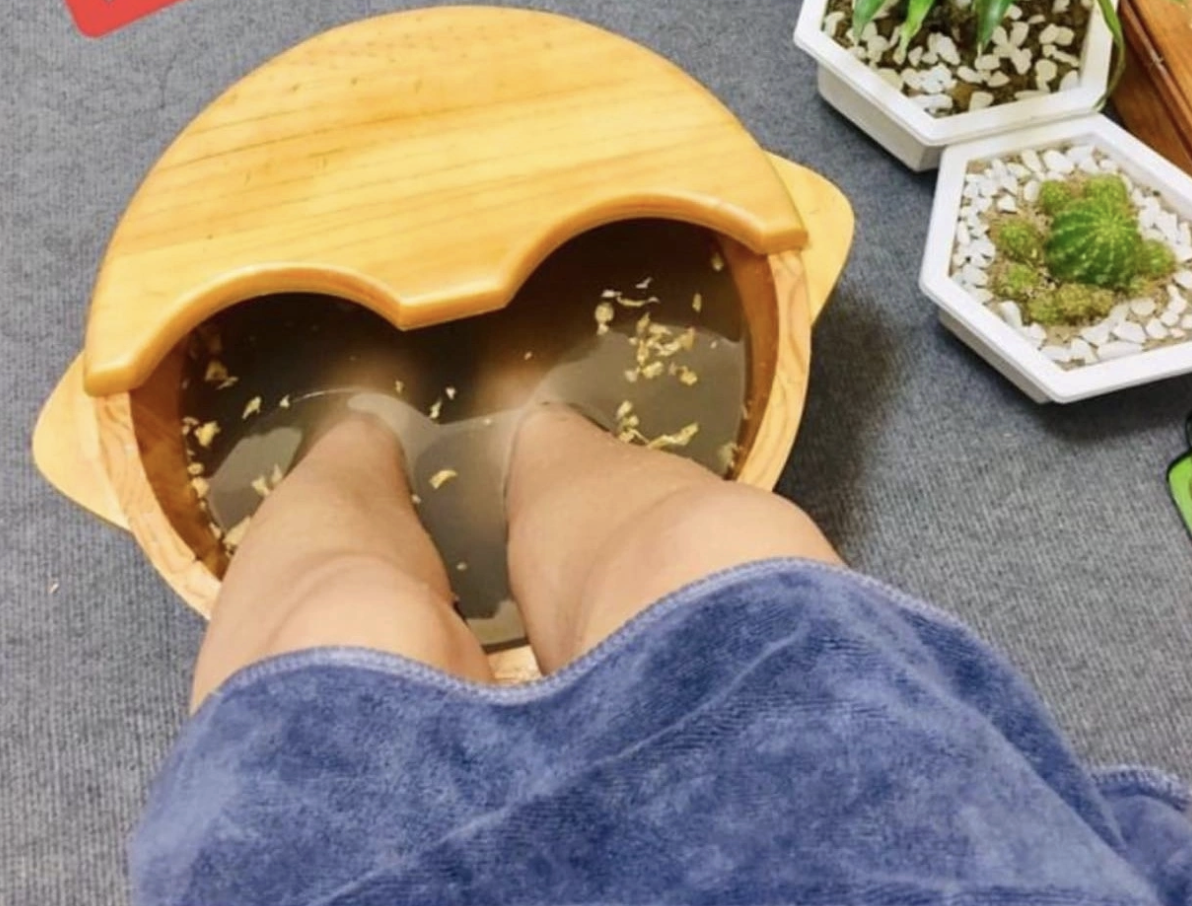 |
Foot soaking is a simple, easy-to-perform therapy for health care and recovery, requiring consistency and regularity for results. *Moc Dan* |
Maintaining warm feet conserves vital energy. When feet are warm, the body avoids expending energy on vasoconstriction or shivering to generate heat. This allows energy to be directed towards essential functions such as immune system maintenance, tissue repair, and mental clarity.
Cold weather creates an environment where respiratory viruses can linger in the nasal passages as "latent infections". When the body loses heat through the feet, its natural defenses weaken, making it vulnerable to symptoms like runny noses, sneezing, coughing, and sore throats. Doctor Hoang highlights that keeping feet warm is a vital step in protecting the respiratory system, complementing other hygiene practices such as handwashing and avoiding crowded areas.
To safeguard this vital bodily "root", experts recommend practical steps for maintaining warm feet. Choose socks made from wool or synthetic fibers known for heat retention and absorbency, ensuring they are not too tight. Change damp socks immediately to keep feet dry, and avoid walking barefoot on cold tiled floors. Eliminating prolonged periods of sitting is also important to prevent blood stagnation in the lower limbs.
An effective therapy to boost blood circulation involves soaking feet in warm water with gentle massage each evening. To prepare, boil 30-50 grams of fresh mugwort or 20-30 grams of crushed ginger for 10 minutes. Then, add cold water and salt to reduce the temperature to approximately 40 degrees C. The water level should cover just below the ankles for 15-20 minutes. After soaking, dry the feet immediately and wear warm socks. Beyond ginger and mugwort, ingredients such as cinnamon bark, Sichuan pepper, orange peel, and pomelo peel offer cold-dispelling benefits and stimulate acupoints. For persistent cold feet, lining shoes with cinnamon bark can provide additional support.
While beneficial, heat therapies like foot soaks require caution for certain individuals. Those with peripheral vascular disease, diabetes, or varicose veins should be particularly careful. Excessively hot water or prolonged soaking can cause burns or exacerbate circulatory stagnation. These individuals must consult a specialist before using heat therapies.
Experts also advise seeking medical attention if cold hands and feet persist frequently, irrespective of weather conditions. This symptom may indicate underlying health issues such as low blood pressure, hypothyroidism, or cardiovascular disease. Regular check-ups are essential for early detection and treatment of any potential causes.
Thuy An