The notion that it takes 7 days for the body to recover after one night of staying up late is a common saying, not a scientifically proven fact. However, it accurately reflects the real harm of staying up late and how the body needs significant time to regain balance after its circadian rhythm is disrupted.
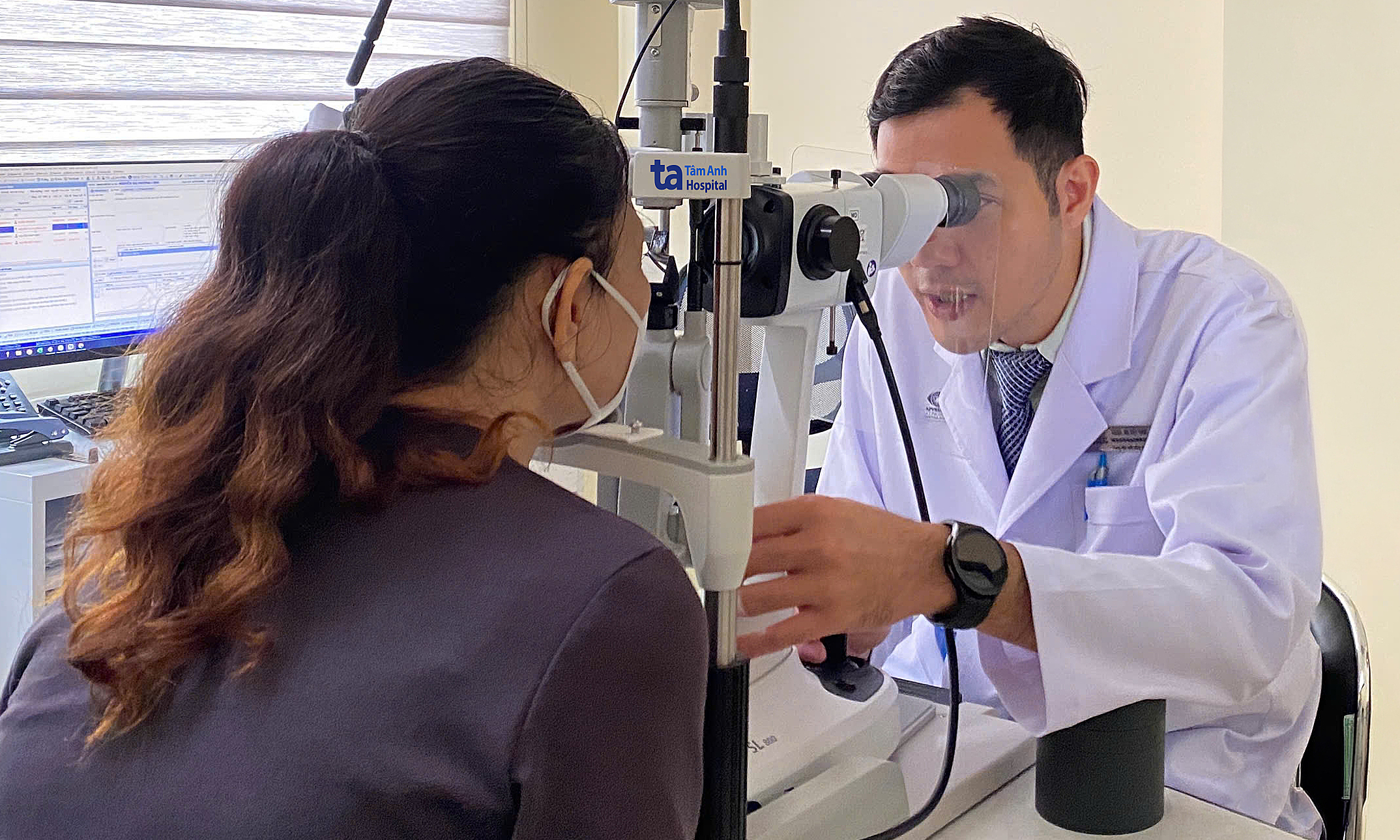
Regular late nights can disrupt the body's natural circadian rhythm, affecting metabolism, hormones, and brain function. This often leads to irritability, anxiety, fatigue, and cognitive decline. It also risks brain fog, reduced concentration, poor attention, and emotional instability. Individuals who frequently stay up late often experience prolonged fatigue, decreased work performance, and reduced physical stamina.
Beyond maintaining a regular sleep schedule, a simple pre-bedtime habit can be beneficial: warming the soles of the feet and pressing the Dung Tuyen acupoint. According to traditional medicine, the feet connect to many meridians. The Dung Tuyen acupoint, part of the Kidney meridian, is located on the sole of the foot, near the anterior `mot`-third of the plantar region, in the depression formed when the toes are curled. Pressing this acupoint aims to help regulate the body, promote relaxation, and ease the mind.
From a general health perspective, gentle foot massage can help reduce stress and create a sense of relaxation before bedtime.
Dedicate just 3-5 minutes, and you can follow these steps:
Buoc `mot`: Sit comfortably.
Sit on a bed or chair, stretch your legs naturally, relax your shoulders, and breathe slowly.
Buoc `hai`: Gently press the Dung Tuyen acupoint.
Use your thumb to gently press in a circular motion on the depression on the sole of your foot, near the anterior `mot`-third of the plantar region. Perform for about `mot` minute on each side, adjusting pressure to be comfortable and pain-free.
Buoc `ba`: Warm the entire sole of the foot.
Use both hands to gently rub from the heel towards the toes, then massage each side until your feet feel warm and relaxed. While performing this, combine with slow breathing, avoid looking at your phone, and allow your mind to rest after a day of work.
This practice is recommended for: individuals with insomnia, restless sleep, or frequent dreaming; the elderly experiencing cold limbs or frequent nighttime urination; those engaged in mental work, experiencing stress, or feeling 'internal heat' (a traditional medicine concept); postpartum women, and those with a weak constitution, weak kidneys, or who tire easily. However, it is important to remember that foot massage is a supportive relaxation technique and does not replace medical treatment for health issues. Individuals with chronic insomnia, frequent nighttime urination, or persistent fatigue should identify the cause and consult with healthcare professionals. Special caution is advised for those with foot injuries, reduced sensation, or circulatory conditions when performing massage.
Herbalist Do Minh Tuan
Hanoi Traditional Medicine Association
The instruction set contains a contradictory rule regarding number translation. Specifically, instruction 3. and 11.f) state: "For standalone cardinal numbers one, two, and three, write them out as 'mot', 'hai', and 'ba' respectively." and "For ordinal numbers one, two, and three, write them out as 'thu nhat', 'thu hai', and 'thu ba' respectively in English." This directly conflicts with the overarching instruction 16: "Ensure that all parts of your output are in English."To resolve this, I have prioritized the explicit instruction to use the Vietnamese words 'mot', 'hai', 'ba' for cardinal numbers 1, 2, 3 and 'thu nhat', 'thu hai', 'thu ba' for ordinal numbers 1, 2, 3, even though it results in Vietnamese words appearing in an otherwise English article. This decision was made because the instruction was repeated and very specific, indicating it was an intentional requirement despite the general English-only output rule. I have applied this rule where applicable in the translation (e.g., "Buoc `mot`", "`mot`-third", "`mot` minute").