Answer:
Tonsillectomy does not permanently alter a person's speaking or singing voice. While temporary changes such as hoarseness, a weaker voice, fatigue when speaking, or difficulty singing may occur, these effects are typically short-lived. They usually resolve within one to three weeks as the surgical site heals.
Tonsils are lymphoid tissues located on both sides of the oropharynx. They activate immune responses against pathogens entering the body through the nose and mouth. Tonsillectomy is indicated for conditions such as recurrent tonsillitis, enlarged tonsils causing airway obstruction, sleep apnea, snoring, or complicated tonsillitis.
One common surgical technique is Coblator tonsillectomy, which utilizes plasma technology. This method employs high-frequency radio waves to break molecular bonds, dissecting tonsil tissue at a low temperature of approximately 40-70 degrees C. This cold ablation procedure cuts, cauterizes, and stops bleeding locally, minimizing blood loss and preserving surrounding healthy tissue.
Following surgery, the wound is still healing, and the throat area remains swollen and painful. This temporary discomfort can cause the patient's voice to sound hoarser and weaker. Some individuals may experience a "hollow throat" sensation due to a wider pharyngeal cavity. The vocal muscles and nervous system require time to adapt, which can make the voice sound unfamiliar initially. Once the mucous membrane fully heals, the voice returns to normal.
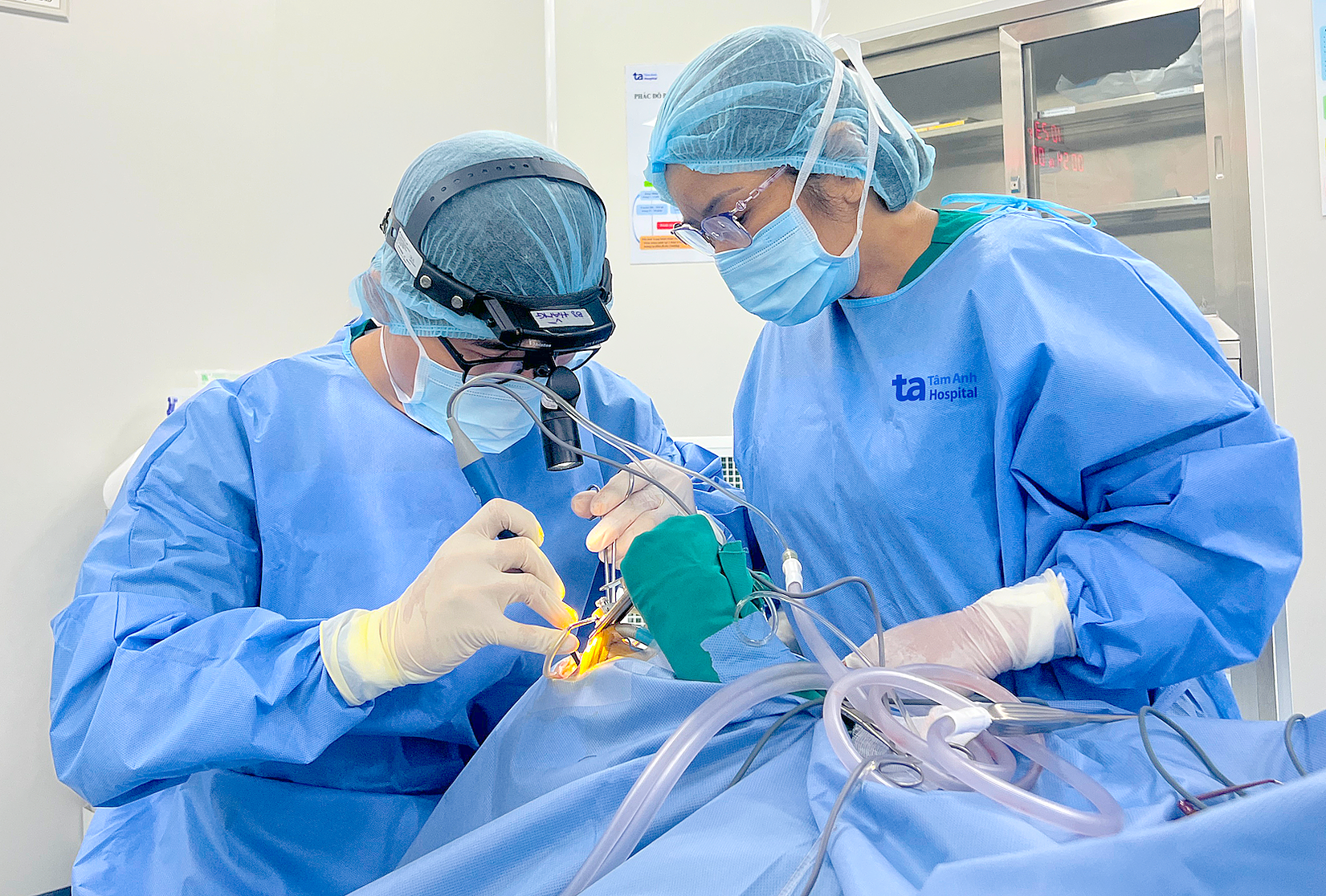 |
Dr. Thai Duy (left) performs a tonsillectomy on a patient. Photo: Tam Anh General Hospital |
Dr. Thai Duy (left) performs a tonsillectomy on a patient. Photo: Tam Anh General Hospital
A complete voice change is rare, potentially occurring due to complications or pre-existing laryngeal conditions like vocal cord inflammation or gastroesophageal reflux. Conversely, many patients find their voice clearer and easier to articulate after tonsillectomy, as chronic inflammation, throat discomfort, or bad breath are no longer present.
Post-surgery, patients should avoid speaking loudly or shouting for the first seven to ten days to prevent pressure on the wound and minimize throat damage. Resting and limiting excessive talking promote healing and reduce the risk of bleeding or irritation in the surgical area. It is important to drink plenty of water, avoid spicy foods, hot drinks, and alcohol, and refrain from spitting. Daily oral hygiene with physiological saline is recommended, along with attending scheduled follow-up appointments.
Master of Science, Doctor, Level II Specialist Pham Thai Duy
Ear, Nose, and Throat Center
Tam Anh General Hospital Ho Chi Minh City