Nhat Huy, who was born deaf and mute, unable to develop spoken language, can now study and live like a normal child, according to Professor Doctor Tran Phan Chung Thuy, President of the Vietnam Ear, Nose, and Throat Association and Director of the Ear, Nose, and Throat Center at Tam Anh General Hospital, TP HCM. "He is no longer shy or afraid of strangers but has become open and sociable with those around him." This achievement comes 1.5 years after Huy underwent cochlear implant surgery, supported by his family and specialized teachers.
Huy was diagnosed with profound congenital deafness when he was over one year old, unable to speak, and hearing aids had almost no effect. His family could not afford the treatment costs, so Professor Chung Thuy appealed for support to ensure the boy could receive intervention during the "golden time" for early hearing and speech development.
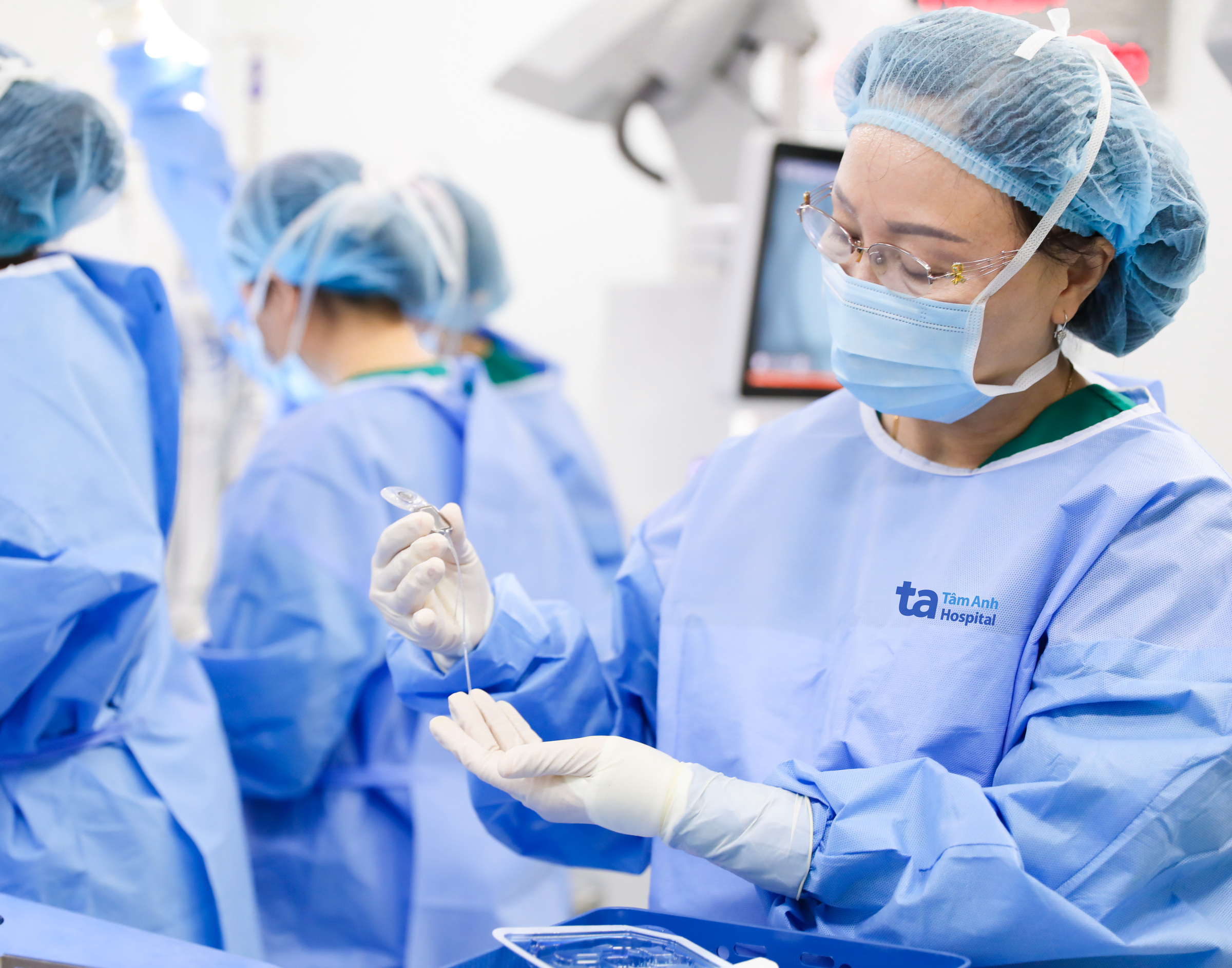 |
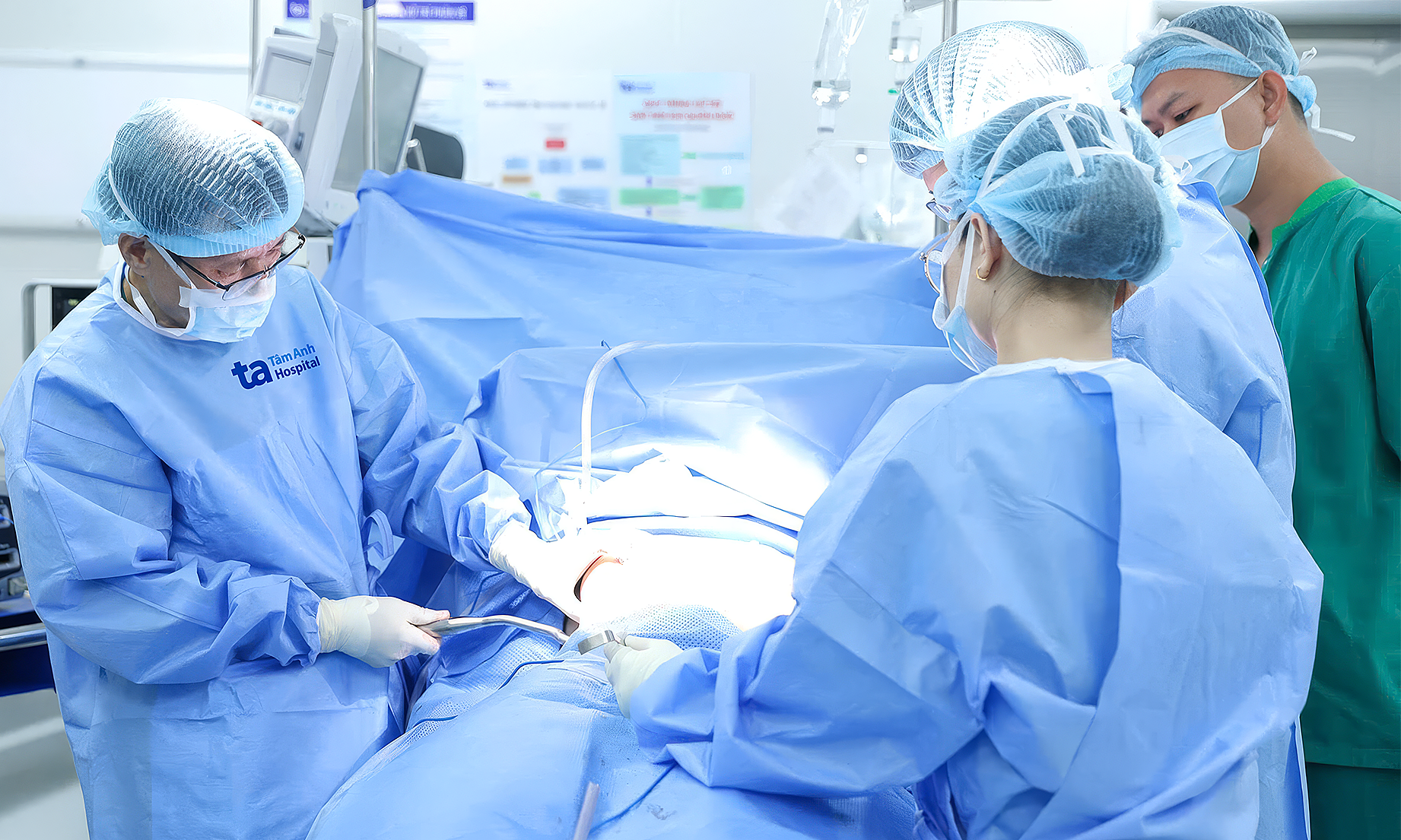
Professor Chung Thuy opens the electrode device, preparing to place it into Nhat Huy's cochlea. *Photo: Tam Anh General Hospital* |
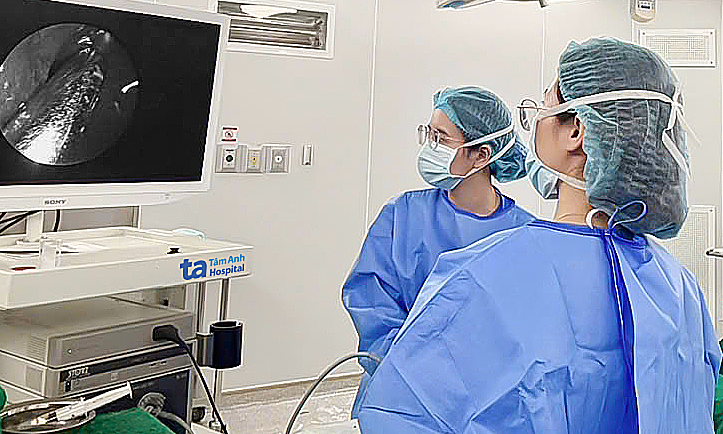
Professor Chung Thuy successfully implanted a multi-channel electrode into Huy's cochlea using an AI-integrated microsurgical microscope, resulting in a response from 22 electrodes. One month later, when the external device was fitted, it responded well to the electrodes.
In the initial days after the implant, the boy frequently tried to remove the external device due to discomfort. However, thanks to his family's persistence, consistently bringing him weekly from Ninh Thuan to TP HCM for sessions with a specialized teacher, combined with language learning at home, he gradually began to hear his first sounds and started learning to speak.
Professor Chung Thuy explained that because Huy experienced profound deafness before language development, when he first received sounds, his brain could not adapt or convert these signals into language. He perceived them as noise, making everything unfamiliar and uncomfortable. Adjusting the device and providing intensive rehabilitation helped his brain gradually recognize sounds, differentiate speech, and then comprehend language. This process requires time, persistence, and continuous practice; it does not happen immediately.
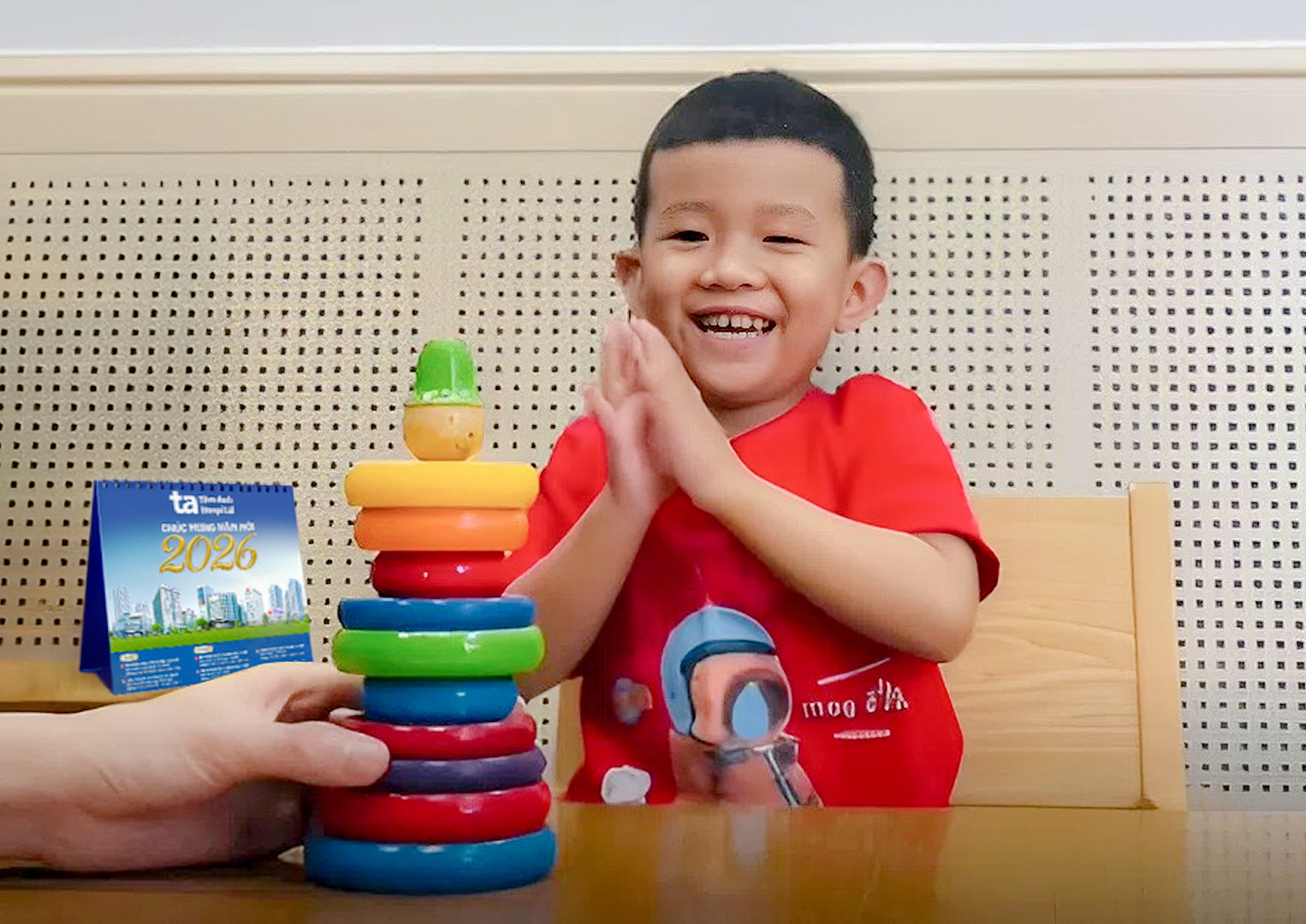 |
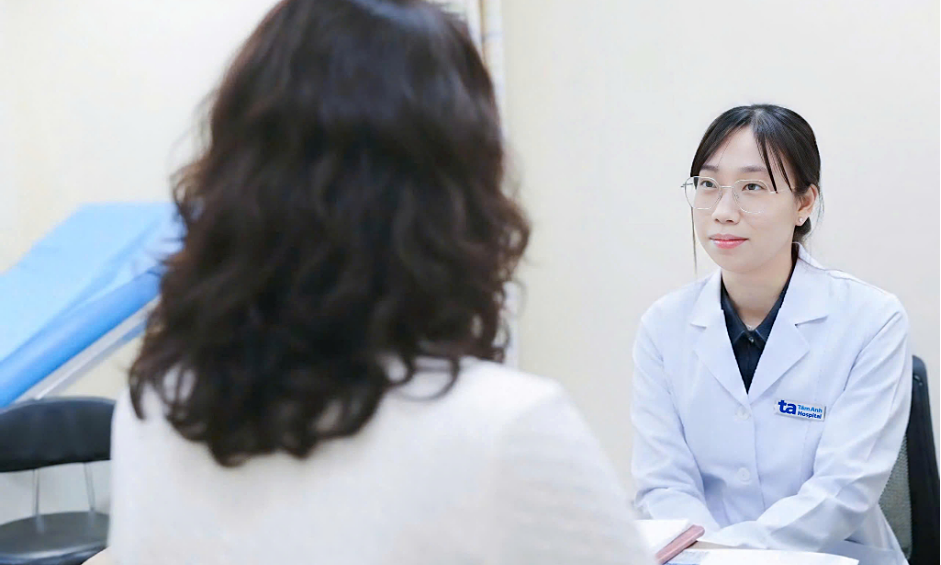
Boy Huy is confident learning with a teacher one year after cochlear implant surgery. *Photo: Tam Anh General Hospital* |
Children with cochlear implants receive sounds through an assistive device, bypassing damaged cochlear hair cells. The device records sound, encodes it into electrical impulses, and transmits these to the electrodes in the cochlea, stimulating the auditory nerve to send signals to the brain. The sounds children hear are encoded signals, not original sounds.
Each child responds differently; some adapt quickly, while others experience discomfort or overload when first hearing again, requiring time to adjust. Children need monitoring, appropriate volume adjustments, and speech therapy to gradually recognize, differentiate, and comprehend sounds.
Uyen Trinh
| Readers can ask questions about ear, nose, and throat diseases here for doctors to answer. |