Vaccines are biological preparations administered orally or by injection, designed to help the immune system recognize and fight off future pathogens. Depending on the type, vaccines may contain attenuated (weakened) pathogens, inactivated pathogens, or only small parts of a virus or bacterium. These components do not cause illness but still activate an immune response. Vaccines also contain adjuvants and stabilizers to ensure safety and efficacy, providing protection for many years or even a lifetime.
The effectiveness of vaccines is evident in historical data. Before the measles vaccination program began in 1963, the United States recorded 3-4 million measles cases annually, resulting in tens of thousands of hospitalizations and 400-500 deaths. Following widespread vaccination, measles cases decreased by approximately 99%. Similarly, the rabies vaccine is the only effective treatment for rabies.
Global health organizations further underscore the impact of vaccination. According to the World Health Organization (WHO), vaccination has saved an estimated 154 million lives over 50 years, reducing global infant mortality by 40% and by over 50% in Africa. This is attributed to preventing 14 major infectious diseases such as measles, pertussis, polio, tetanus, and hepatitis B. These data clearly contradict the notion that vaccination makes individuals more susceptible to illness.
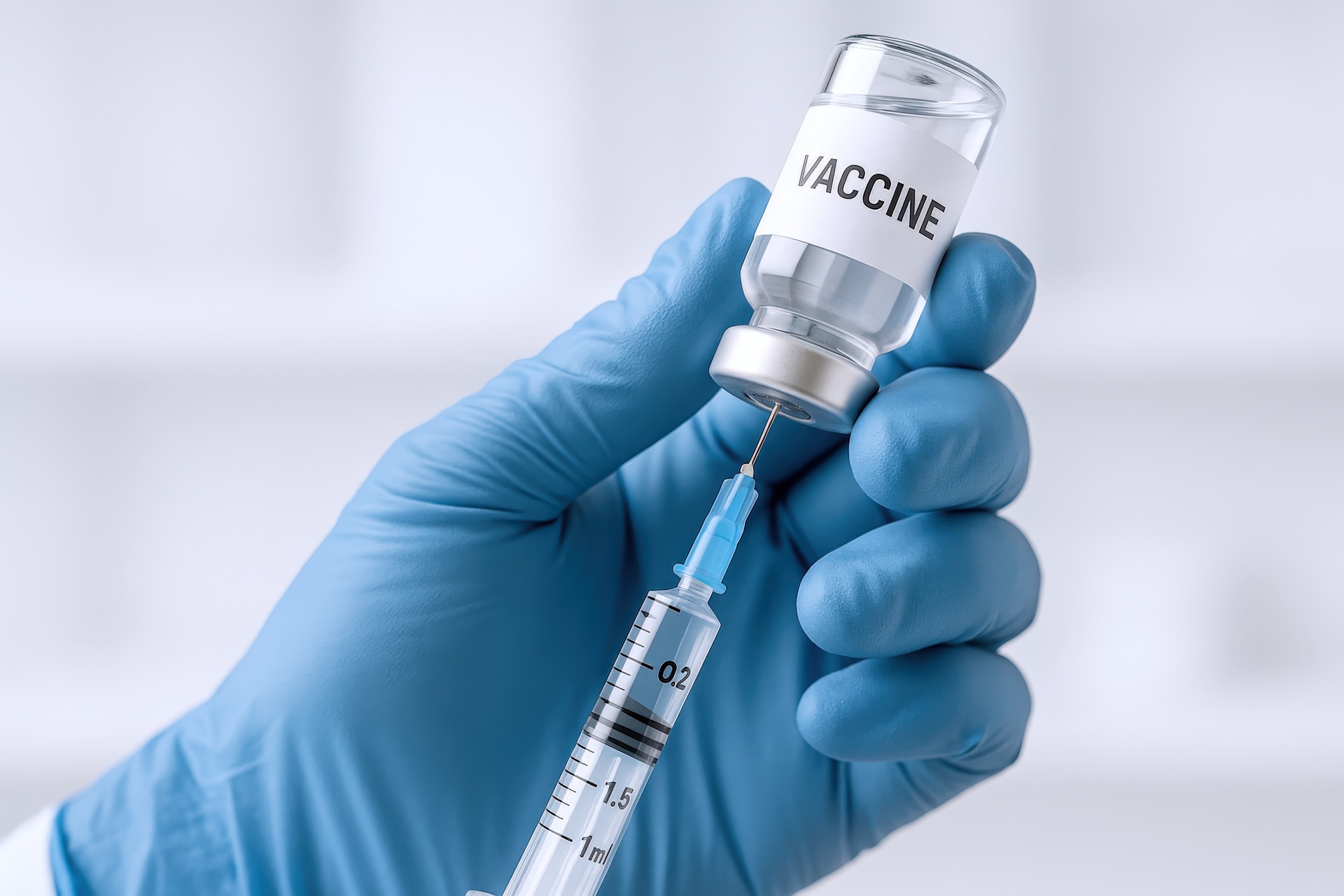 |
Vaccines save six lives every second each year. Illustration: Vecteezy. |
Vaccines save six lives every second each year. Illustration: Vecteezy.
Mild reactions after vaccination are normal immune responses. After vaccination, some individuals may experience temporary soreness, swelling at the injection site, mild fever, or fatigue. These are normal immune responses, not indications of viruses or bacteria "coming back to life" to cause illness, and most resolve naturally within one to two days. It is also possible for vaccinated individuals to coincidentally experience a cough, runny nose, or contract another illness shortly after vaccination, which can lead to a misunderstanding that the vaccine is the cause.
Ultimately, vaccines strengthen the body's defenses. Vaccines do not weaken the body; instead, they prepare the immune system to protect against actual pathogens. Therefore, everyone should review their vaccination schedule and get vaccinated at the appropriate time, especially vulnerable groups such as children, the elderly, individuals with underlying medical conditions, and pregnant women.
Dr. Nguyen Nhu Dien
Medical Manager, VNVC Vaccination System
Readers can submit vaccine-related questions for a doctor to answer here.