According to Verywell Health, hair thickness and texture are influenced by factors such as genetics, hormones, age, chemicals, and medications. Certain daily care habits can help strengthen hair, reduce breakage, and make it appear thicker.
Shampoo
Certain shampoos can make hair appear thicker by containing ingredients that coat the hair shaft, increasing the diameter of individual strands. This creates a fuller look. While these shampoos offer immediate results, their effects are temporary and do not alter the actual thickness or density of hair.
Dry shampoo can also make hair appear thicker by absorbing excess oil and residue from the scalp, preventing strands from clumping together and looking thin. The powdery texture of dry shampoo adds volume at the roots, lifting hair for a fuller appearance.
Protein-rich diet
Hair is primarily composed of keratin, a protein that forms its structure and strength. Therefore, a protein-rich diet can provide the body with the necessary building blocks to produce keratin, promoting thick, healthy hair growth.
Protein plays a crucial role in the hair growth cycle, supplying essential nutrients to hair follicles. Insufficient protein intake can lead to weak, brittle hair and hair loss. Foods rich in protein include: seafood, meat, eggs, beans, nuts, and soy products.
Vitamin supplementation
Deficiencies in important vitamins like biotin (vitamin B7) and vitamin E can result in weak, brittle hair, and even hair loss. Ensuring adequate intake of these essential vitamins through a balanced diet or supplements is crucial for thicker, healthier hair.
Note that there is no evidence suggesting vitamin supplementation improves hair in individuals who are not vitamin deficient.
Scalp massage
According to Health, scalp massage can promote hair growth by increasing blood flow and reducing stress. Some researchers suggest that scalp massage stretches hair follicles, encouraging faster and stronger growth. This technique may also naturally prevent hair loss or aid in hair regrowth after 6-8 months.
You can massage your scalp on dry hair or while shampooing and conditioning. Using your fingertips, apply gentle pressure and massage your entire scalp in small circular motions for 5-20 minutes, twice a day. Essential oils can be used if desired.
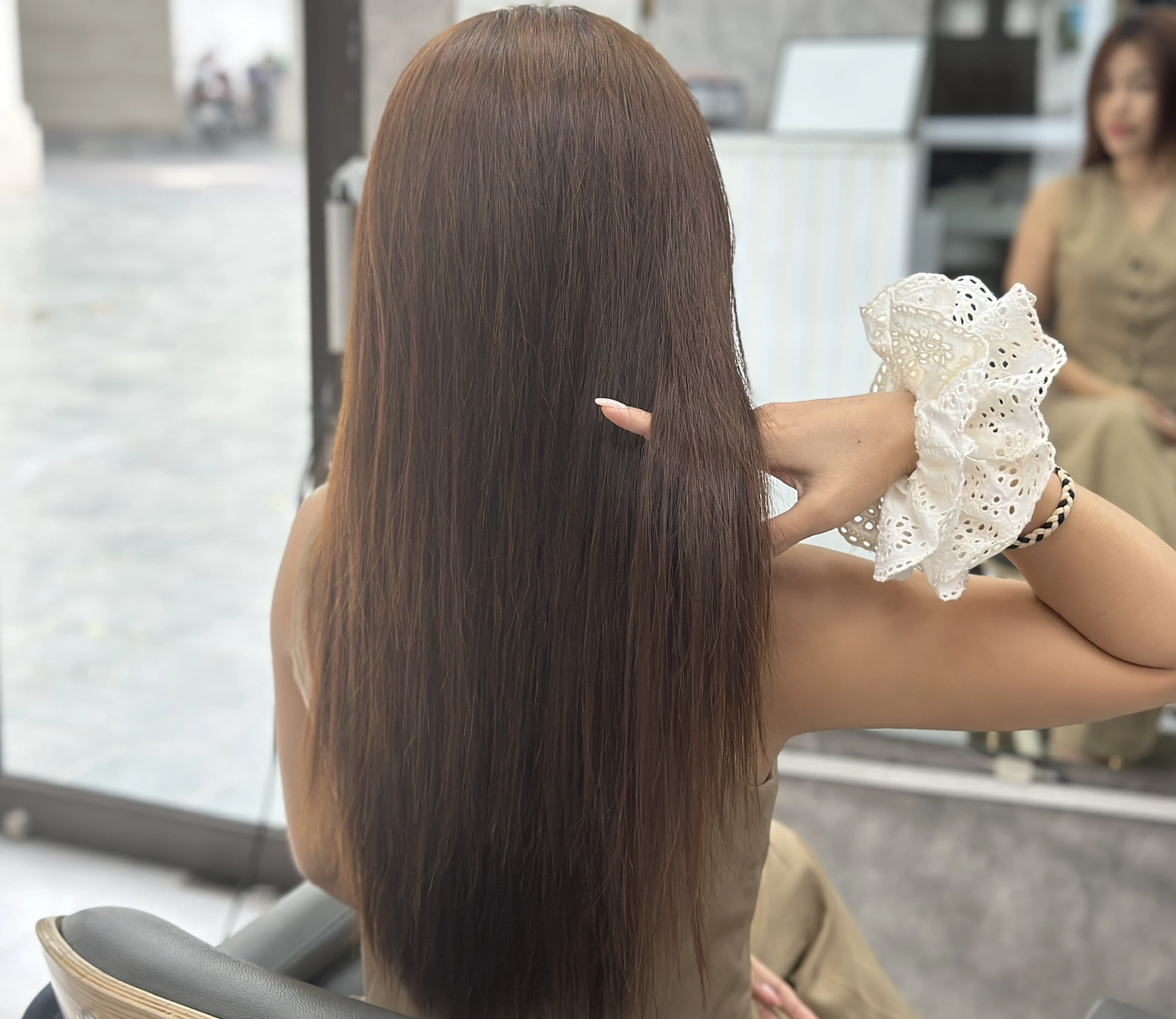 |
Limiting chemical treatments and styling helps reduce hair breakage. Photo: Ngoc Pham |
Lifestyle changes
According to the US National Institutes of Health (NIH), the hormone cortisol, produced during psychological stress, can negatively impact hair. Researchers have found that cortisol hinders hair regrowth by affecting a group of cells beneath the hair follicle known as the dermal papilla. High stress levels can contribute to conditions like telogen effluvium, leading to temporary hair thinning.
Managing stress through lifestyle changes such as meditation, exercise, and reading benefits both overall health and hair health.
Use silk pillowcases
Using silk pillowcases reduces friction between hair and the pillow, minimizing breakage and tangles. Unlike cotton, silk does not absorb moisture from hair, helping it retain its natural oils.
Proper hair care
How you wash and care for your hair can affect its strength. When shampooing, gently massage the scalp, use conditioner to limit damage, and choose products suitable for your hair type, especially if it is thin.
Oily hair can be washed more frequently, while chemically treated hair should be washed less often. After washing, gently blot with a towel, avoid brushing wet hair, and limit styling or pulling. When exposed to the sun, wear a hat to protect your hair.
Certain medications can help reduce hair loss or promote hair growth, though their effectiveness varies. Individuals experiencing thinning hair or hair loss should consult a dermatologist to determine the cause before using medication.
By Anh Ngoc
| Readers can submit questions about dermatological and cosmetic skin conditions here for a doctor's response |