A recent social media post about potatoes sprouting in just one week has attracted attention, according to HK01 on 12/4. In the comments section, many users noted that potatoes easily sprout if not stored properly, often in a short time. Some comments suggested refrigeration instead of room temperature to slow decomposition. Others shared methods like steaming and freezing to extend shelf life or placing potatoes with apples, utilizing apple's ethylene gas to inhibit sprouting.
Explaining sprouted foods, Taiwan nutrition expert Lin Licen emphasized that potatoes require particular attention. When potatoes sprout or their skin turns green, a neurotoxin called "solanine" is produced. Ingesting this substance can cause symptoms like nausea and diarrhea within a few hours. More severe cases may lead to headaches, neurological paralysis, or breathing difficulties. This toxin is heat-resistant, making it difficult to eliminate even after cooking. Therefore, the expert advises against eating sprouted potatoes, recommending they be discarded for safety.
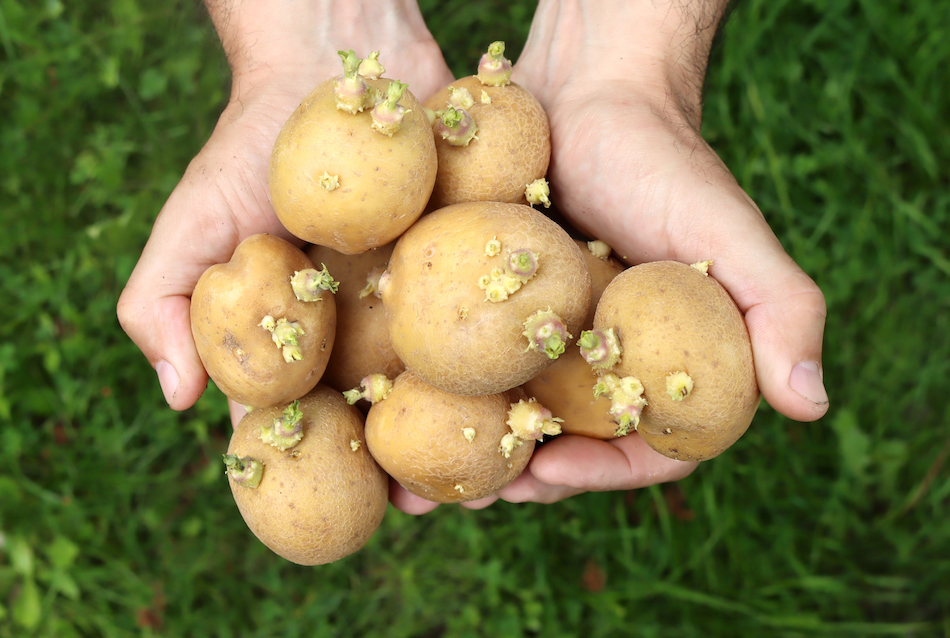 |
Illustration: Praticalselfreliance |
Unlike potatoes, many root vegetables and greens such as sweet potatoes, taro, garlic, and onions do not produce toxins after sprouting. However, their internal nutrients, like starch and sugar, are consumed to nourish the sprouts. The original vegetable body often becomes dehydrated, fibrous, and loses its crisp, sweet flavor. For example, sprouted sweet potatoes are not toxic, but their texture becomes stringy and less sweet. Sprouted garlic cloves often become dry and hollow but remain edible. These young sprouts are the "garlic sprouts" commonly eaten, and sometimes their antioxidant content is even higher than the original garlic cloves.
For peanuts, users should assess the storage environment. In a clean, hygienic environment, intentionally cultivated peanut sprouts, about 1-2 cm long and resembling bean sprouts, are safe. Research indicates that sprouted peanuts show a significant increase in antioxidants like resveratrol, offering high nutritional value.
However, if peanuts sprout due to dampness, they are often accompanied by toxic molds and should be avoided. Additionally, if young ginger is moldy or rotten, users should discard it immediately.
Lin noted that to extend potato shelf life, store them in a cool, dry place away from light, and consider placing them with apples to help slow the sprouting process.
By Binh Minh (Source: HK01)