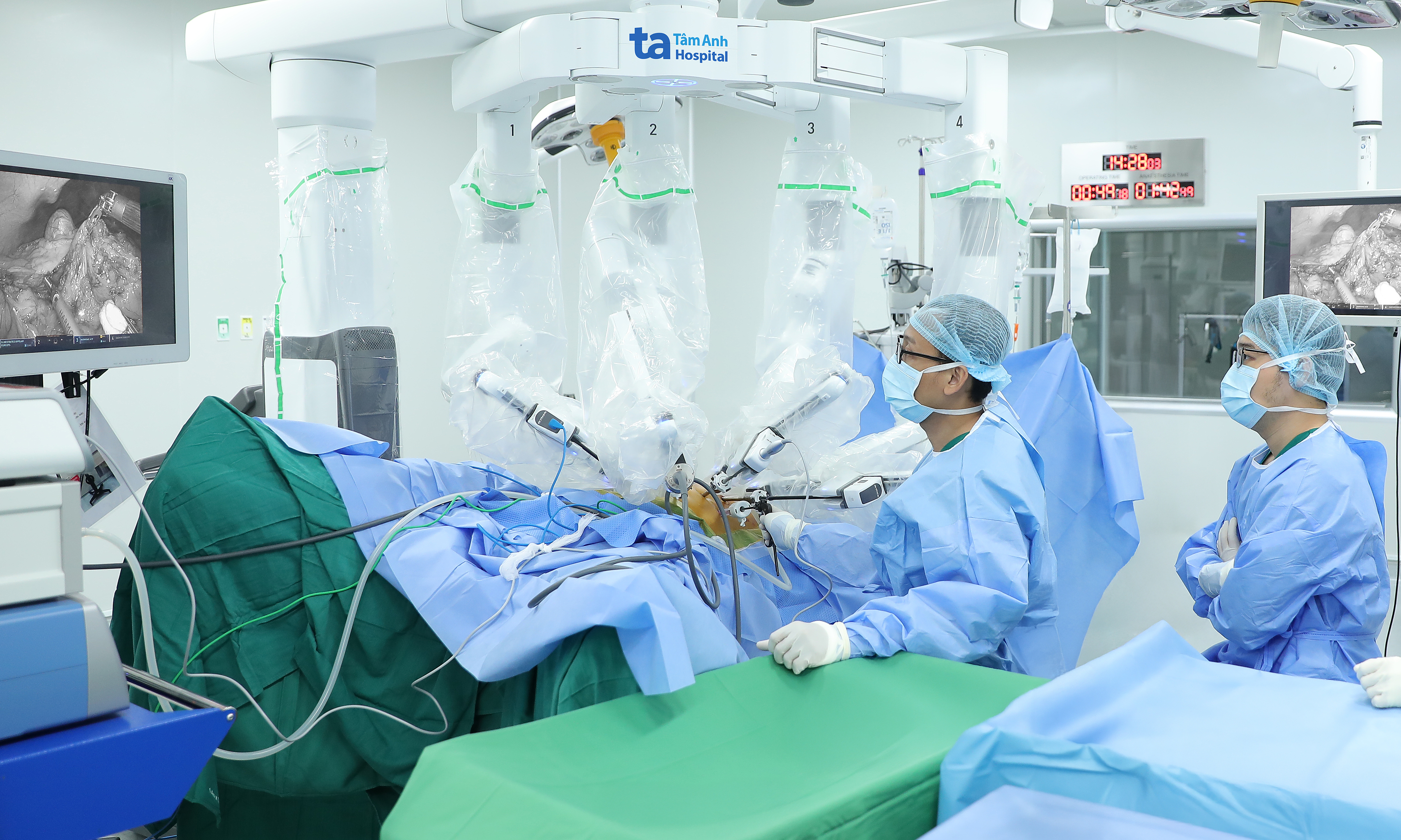
Colonel, Doctor Phan Dinh Mung, Deputy Director of Military Hospital 175, stated on 14/4, on the sidelines of a scientific workshop on revision total hip arthroplasty, that femoral head necrosis is showing a clear trend of increasing incidence and affecting younger individuals. Statistics from surgeries at the hospital indicate that young patients account for approximately 25-30%, with an average age of just 30 to 32. Some patients undergo their first hip replacement surgery as young as 25-28 years old.
The primary reasons for the rise in young patients largely stem from lifestyle habits such as smoking, alcohol consumption, physical inactivity, and especially the abuse of steroid medication. These factors can easily obstruct the capillaries supplying the femoral head, leading to ischemia and necrosis. Reluctance to seek medical examination, coupled with self-medicating by repeatedly using old prescriptions after initial pain relief, also allows the condition to silently progress and worsen.
The inevitable consequence of younger patients undergoing initial surgery is an increased demand for second surgeries. Given the limited lifespan of artificial joints, these young patients will require hip revision surgery 15-20 years later. Coupled with the increasing average life expectancy of Vietnamese people, doctors forecast a significant rise in the number of patients needing hip revision surgery in Vietnam over the next 10 to 15 years.
According to Doctor Mung, hip revision surgery remains a major challenge. This procedure is considerably more difficult and complex than the initial surgery, requiring patients to be in good physical condition, experienced surgeons, and meticulously prepared operating rooms, equipment, anesthesia and resuscitation resources, and blood supply for transfusions.
The standard of hip replacement in Vietnam is approaching international levels, effectively managing complications such as infection, fracture or loosening of the stem, and dislocation. At Military Hospital 175, techniques are advancing rapidly, with 3D printing technology applied to accurately simulate joints and personalize treatment. Many young patients can undergo surgery and be discharged within 24 hours.
Post-operative care has also seen improvements. Many hip replacement cases no longer require drainage tubes, blood transfusions are rare, and patients can stand and begin walking on the first day after surgery. Notably, thanks to advanced posterior capsular repair technique, patients can cross their legs, squat, and resume normal activities after 6 weeks, a significant improvement from the previous recommendation to avoid squatting for life.
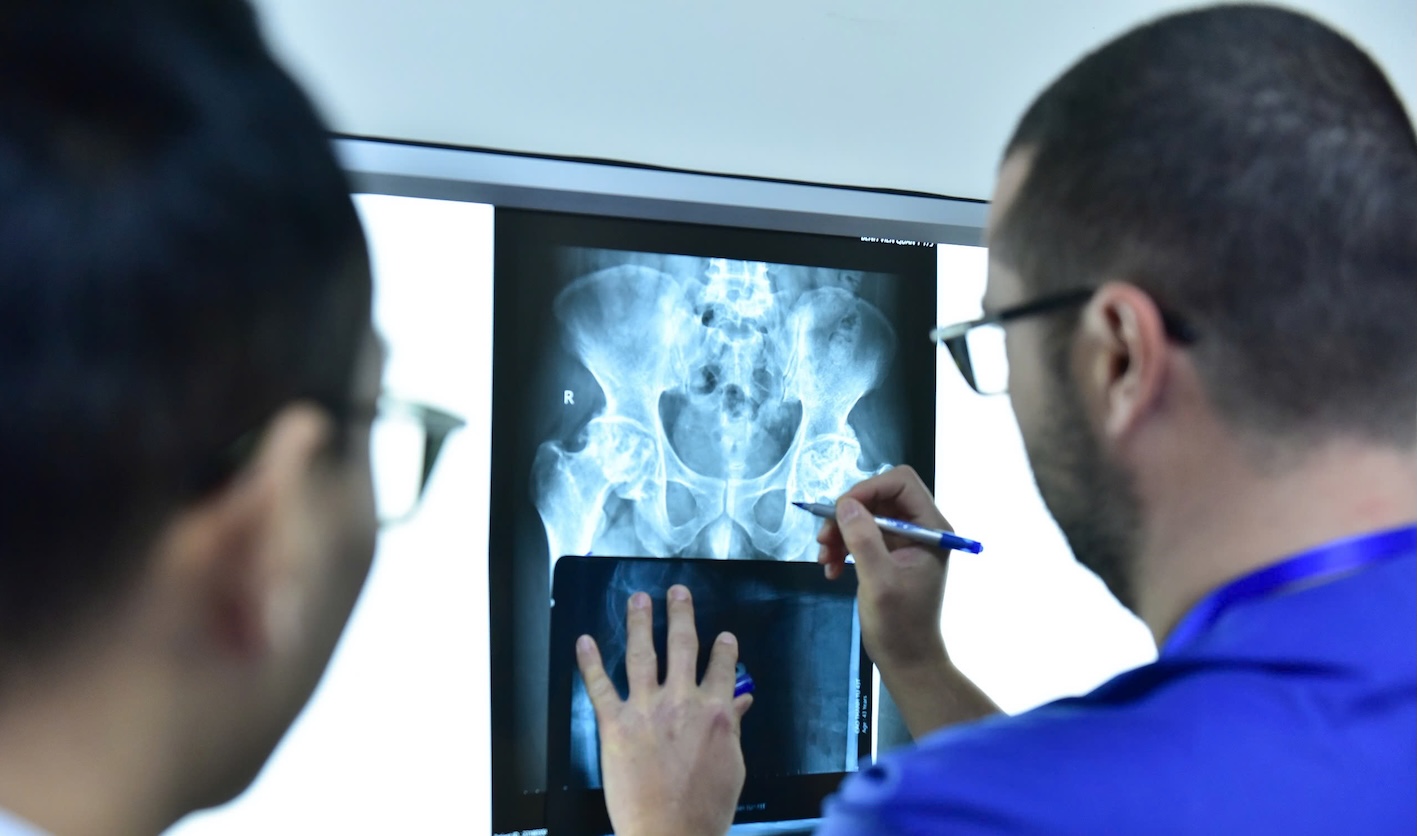 |
Doctors from Military Hospital 175 and Operation Walk Chicago examine pre-operative hip X-rays. Photo: Hospital provided |
To prevent degeneration and protect natural hip joints, doctors advise people to maintain a nutritious diet, supplement with vitamins A and E, and adjust exercise intensity according to age. Upon reaching middle age, people should switch from high-impact sports like football and pickleball to gentler activities such as swimming or cycling.
If early signs of hip pain appear, it is important to visit a specialized medical facility immediately. Gentle interventions like core decompression combined with lifestyle changes can slow the progression of femoral head necrosis, extending the time before initial hip replacement becomes necessary.
Major General, Doctor Tran Quoc Viet, Director of Military Hospital 175, stated that from 9 to 15/4, the hospital collaborated with Operation Walk Chicago from the US to perform free hip replacement surgeries for nearly 40 patients. These patients primarily suffered from femoral head necrosis and hip osteoarthritis, conditions that cause severe mobility impairment. This annual program, implemented over five phases in previous years, has provided free surgeries to about 200 disadvantaged patients, helping them regain mobility and improve their quality of life.
Le Phuong