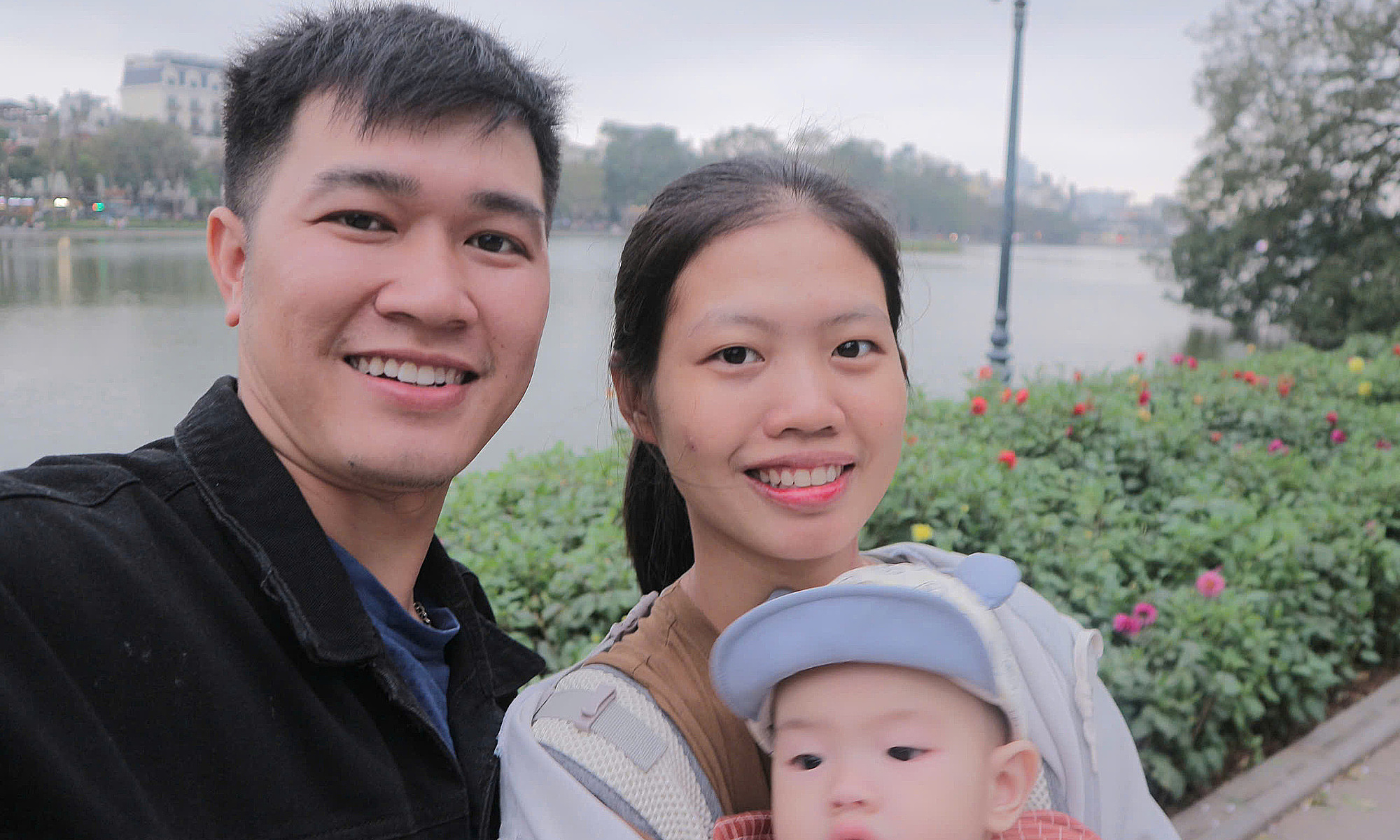
An ultrasound scan of Ms. Huong at Tam Anh General Hospital TP HCM revealed a rectal wall thickened to about 12 mm, accompanied by retroperitoneal lymph nodes along the iliac and abdominal aorta. A colonoscopy identified a fungating tumor 13 cm long, nearly occupying the entire circumference of the rectal lumen, preventing the endoscope from passing. The tumor surface was deeply ulcerated, necrotic, and bled easily upon touch.
Biopsy results indicated advanced rectal cancer. Doctor Nguyen Quoc Thai, Head of the Department of Gastrointestinal Surgery, Endoscopy and Endoscopic Surgery Center, stated that this was the cause of the patient's constipation, bloating, and cramping pain, necessitating a stent placement to restore intestinal patency.
Following this, Ms. Huong underwent 12 cycles of neoadjuvant chemotherapy to shrink the tumor and control suspected metastatic lymph nodes. After chemotherapy, doctors assessed her response as good, and the patient was deemed eligible for radical surgery.
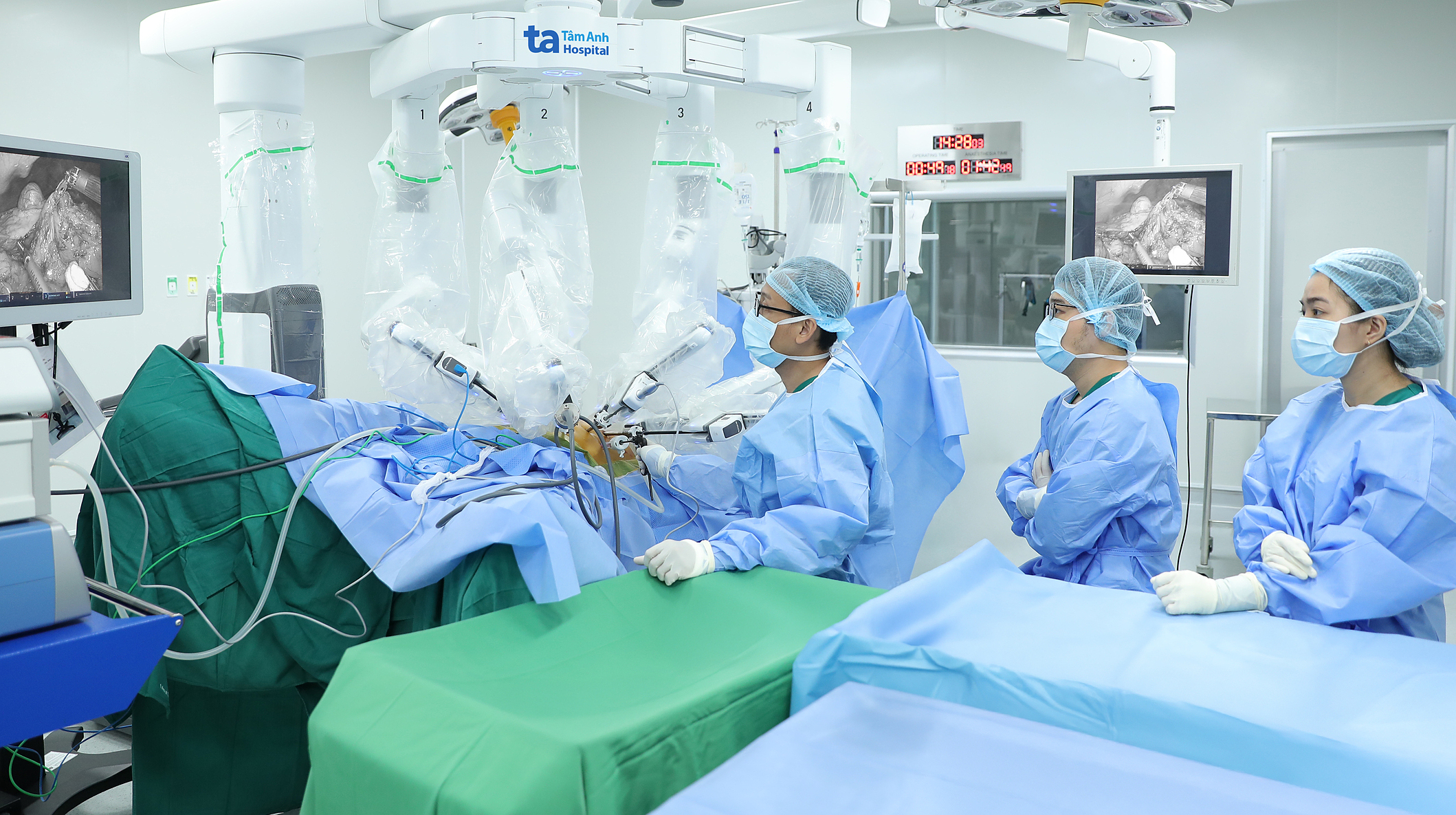 |
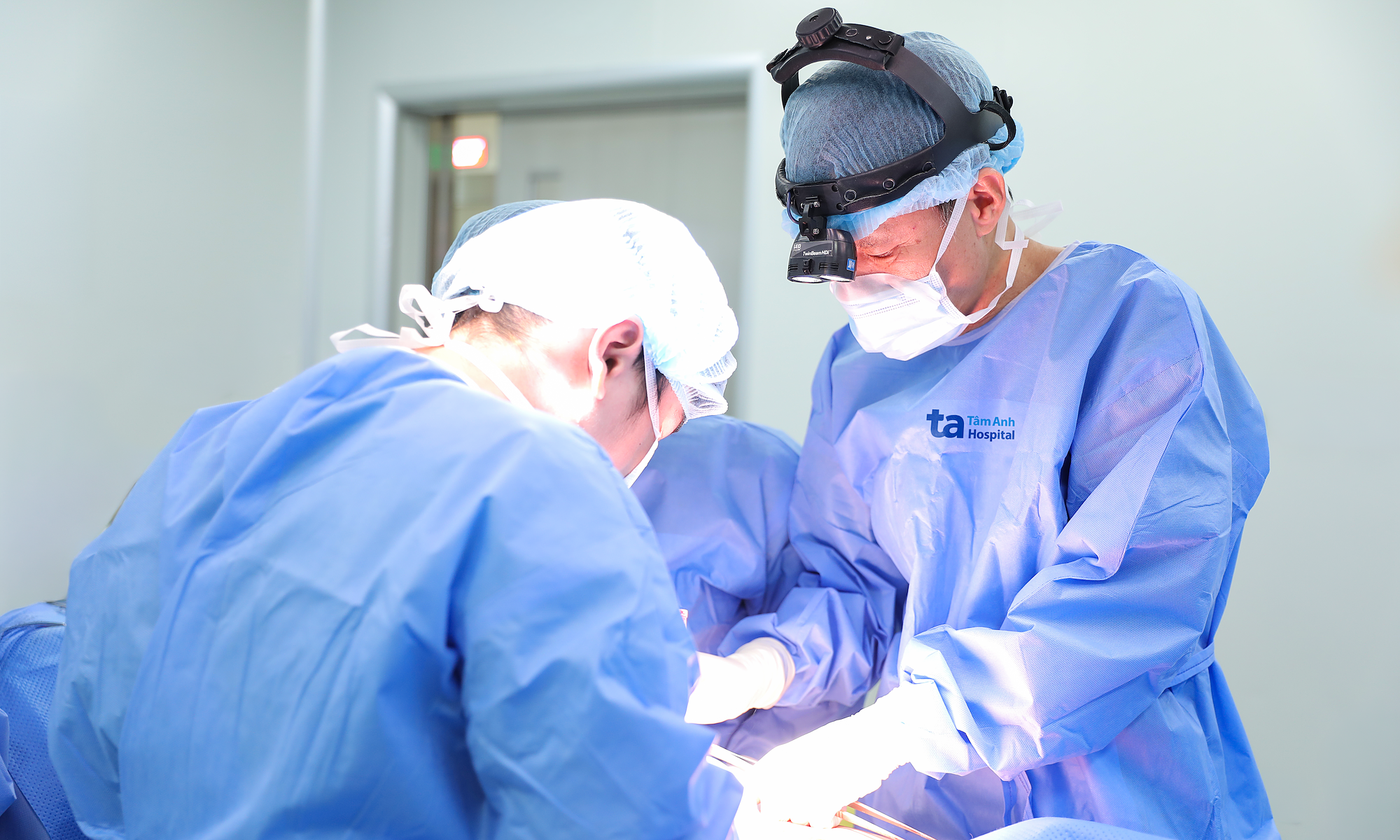
The surgical team resecting Ms. Huong's colorectal tumor. Photo: Tam Anh General Hospital |
Surgeons performed robot-assisted laparoscopic surgery using the Da Vinci Xi system to resect the rectum and dissect lymph nodes for Ms. Huong. The rectum is deep within the lesser pelvis, a narrow space surrounded by the pelvic bone and many vital structures. The patient had an unusually narrow pelvis, and the large, long tumor occupied the entire pelvic space, limiting surgical maneuvers. Thanks to the robot's flexible arms, the surgeon precisely accessed the tumor, a feat not possible with conventional rigid laparoscopic instruments.
The team performed a thorough lymph node dissection along the major pelvic blood vessels. After removing the tumor, gallbladder stones were discovered, and a cholecystectomy was performed to prevent complications.
Post-surgery, Ms. Huong recovered well, experienced minimal pain, could move gently, and resumed eating after three days. Pathology results showed only scattered foci of moderately invasive adenocarcinoma, 25 dissected lymph nodes with no metastasis, and negative surgical margins. She requires regular follow-up to monitor for recurrence risk.
 |
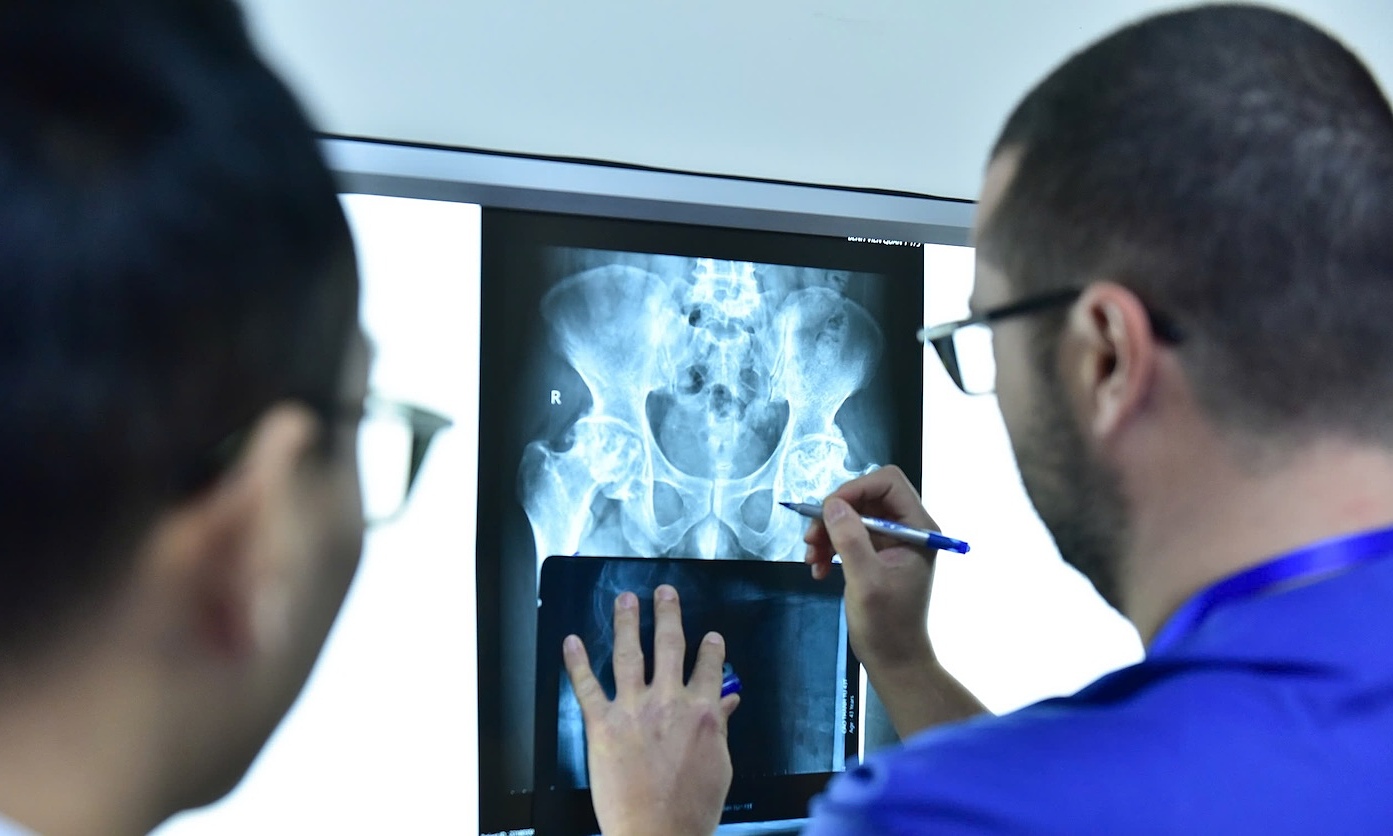
Doctor Thai reviewing Ms. Huong's results during a follow-up visit. Photo: Tam Anh General Hospital |
Colorectal cancer is linked to several factors, including genetics, lifestyle, environment, and colorectal polyps. Even benign colorectal polyps carry a risk of progressing to cancer. This process often occurs silently over many years, according to Doctor Thai.
Colorectal polyps are categorized into hyperplastic polyps and adenomatous polyps. Small hyperplastic polyps (under 5 mm) have a low risk of progressing to cancer. Larger polyps, especially those 10 mm or more, carry a higher risk of malignancy. Notably, adenomatous polyps account for the majority of cases with a risk of malignant transformation.
Doctors recommend that individuals over 45 years old, those with a family history of colorectal cancer, a personal history of polyps, or chronic inflammatory bowel diseases undergo regular screening as advised by a doctor. If detected early, polyps and early-stage cancer can be radically treated with minimally invasive methods such as endoscopic mucosal resection (EMR), endoscopic submucosal dissection (ESD), or surgical removal of the entire tumor while cancer cells are still localized.
Quyen Phan
| Readers can submit questions about digestive diseases here for doctors to answer |