"I was only 25, and my son was not even one year old. Why me?" Lan Anh recalled on 9/4. All plans to return home to her infant son crumbled. She repeatedly pressed the doctors for an explanation, questioning why she faced such a severe illness at a young age.
Phan Thi Lan Anh's case is not an isolated one, as cancer rates among young adults are rising globally. A 2020 study published by the Pennsylvania Cancer Institute indicates that cancer incidence in the 15 to 40 age group has increased by 30% since the 1970s.
Recent data from BMJ Oncology also notes a 79% rise in new cases within this age group over the past three decades. In the US, newly diagnosed cancer cases among individuals aged 18 to 40 have reached 3,26 million.
Doctor Ngo Van Ty, from the Oncology Department at Hanoi University of Medicine Hospital, states that a cancer diagnosis in individuals under 40 presents unique challenges. The disease shatters career prospects and happiness for those in their prime, while also burdening them with financial strain and the responsibility of caring for young children.
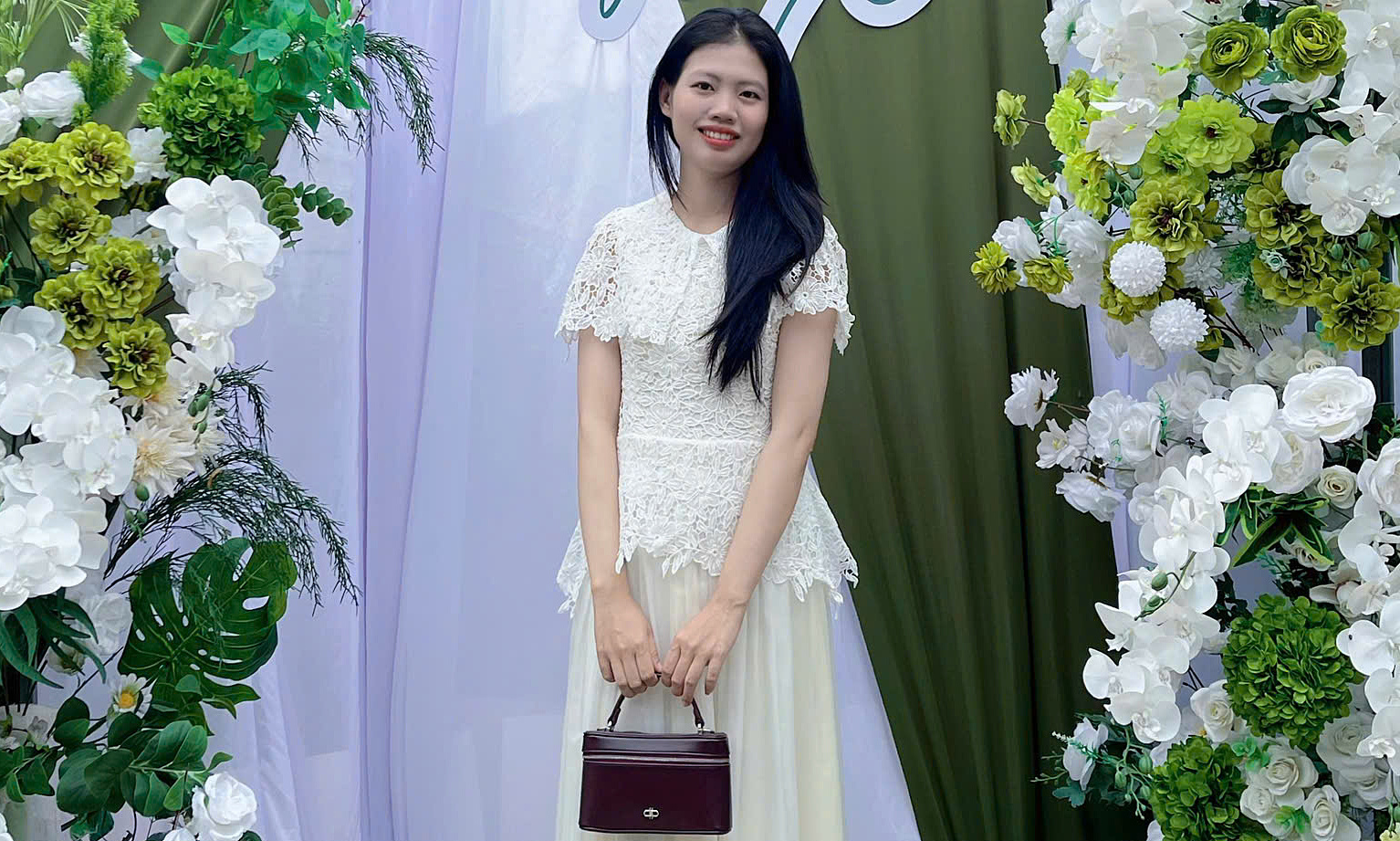 |
When she learned she had cancer at age 25, Lan Anh was devastated and wanted to give up, but her son and family became her motivation to recover. Photo: Provided by subject
Before receiving her cancer diagnosis, Lan Anh was an active student who graduated with honors. Her life changed after giving birth to her son in 10/2024. Her declining health led her to leave Hanoi and return to her maternal grandparents' home for recuperation.
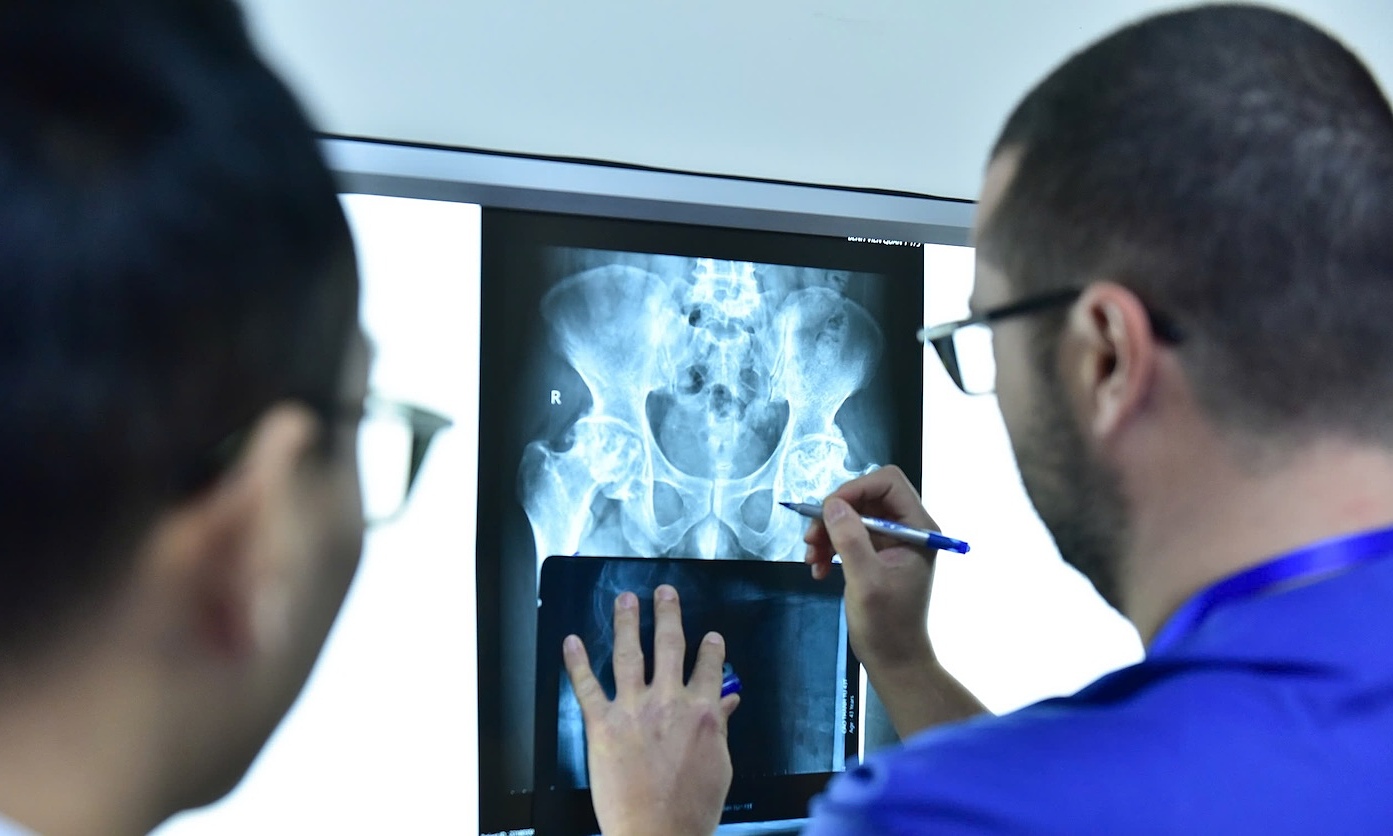
By 3/2025, she experienced ear pain and bleeding. Hanoi University of Medicine Hospital diagnosed her with high-grade squamous epithelial dysplasia. Out of concern for her young son and her desire not to wean him early, she decided to delay intervention. In 10/2025, severe tumor pain forced her to be admitted for surgery at a local hospital. Ten days later, malignant biopsy results necessitated her transfer to K Hospital.
The shock of the illness plunged the young woman into a severe psychological crisis. American psychologist Elisabeth Kubler-Ross identified five stages of grief for cancer patients: denial, anger, bargaining, depression, and acceptance. A study by the Vietnamese Ministry of Health also showed that 87% of cancer patients feel sadness and 48% are dissatisfied with life after receiving a diagnosis.
Consistent with data from the National University of Singapore regarding the high risk of depression in cancer patients aged 25 and 30, Lan Anh spent a month consumed by tears and dissatisfaction. She contemplated giving up, but the image of her young child became the sole anchor pulling her from despair.
In 12/2025, Lan Anh underwent major surgery at K Hospital's Tan Trieu facility. Fearing she might not wake up, she wrote a farewell message entrusting her son to his grandmother. The surgery, lasting over 10 hours, involved the complete removal of her left temporal bone. Post-operative complications became a persistent nightmare. She lay unconscious for five days in the cold recovery room, enduring vomiting and delirium. Her body weight dropped from 53 kg to 45 kg. Her face was disfigured due to complete facial nerve 7 paralysis, and she suffered permanent hearing loss in one ear.
Despite facing physical pain, Lan Anh pushed herself to sit up and walk, eager to reunite with her son. Her will to live was also strengthened by her family, particularly an encouraging message from her sister-in-law: "I won't let you die." Optimism proved crucial in helping her overcome this phase. Master Cao Tran Thanh Trung from Lumos Psychology Center explained that optimism directly relates to mental health, enabling patients to recover more strongly after adversity.
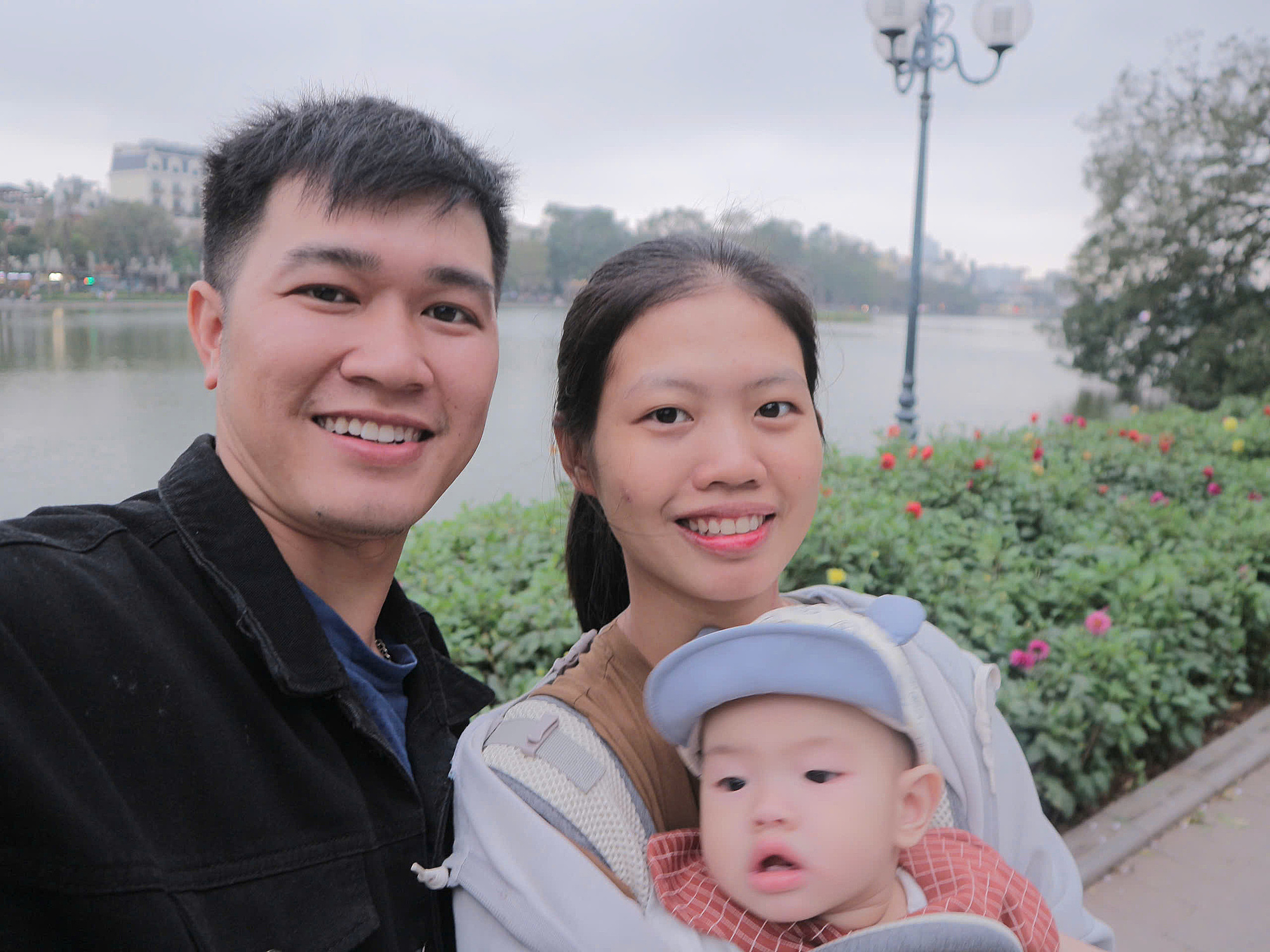 |
Currently, Lan Anh's health is gradually recovering, but she still requires regular monitoring. Photo: Provided by subject
Her treatment continued with 30 rigorous radiation sessions. Her neck became severely burned and oozed fluid, making eating excruciating. There were moments when her body was utterly exhausted, but the thought of her son urged her to persevere.
In early 4, follow-up results showed that the cancer cells were temporarily under control. Now, instead of avoiding reality, Lan Anh chooses to confront her illness with a completely different mindset.
"Waking up each day and seeing my son is the most brilliant victory for me," she confided.
Thuy An