Ninh discovered he had genital warts in late 2024. Initially, small lesions appeared on his anus. Ninh hoped his body would naturally clear the virus by boosting his immunity through a healthy diet and three gym sessions per week.
Two months later, the lesions grew larger, spreading to his penis and surrounding genital area, causing painful and difficult urination. Ninh sought medical attention and was diagnosed with an advanced stage. He underwent electrocautery to remove the lesions, combined with topical medication and specialized cleansing solutions.
However, the condition recurred four times within one year, each time requiring electrocautery, which resulted in damaged, infected skin. Ninh lost confidence with his partner, feeling self-conscious and fearing gossip. In 12/2025, Ninh visited VNVC Dien Bien Phu, Ho Chi Minh City, to receive the HPV vaccine, hoping to prevent reinfection.
 |
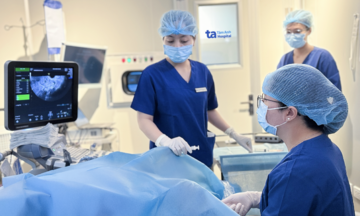
Doctors at Tam Anh General Hospital, Hanoi, surgically remove genital warts from a patient's throat. Photo: BVCC |
Similarly, Van Nam, 30, from Phu Tho, developed urethral genital warts. Despite five electrocautery treatments at dermatology clinics, Nam experienced a sixth recurrence. During this recurrence, the lesions rapidly increased in size and number, causing pain and itching. He worried the disease could progress to cancer, impacting his ability to become a father after marriage.
Upon examination, doctors informed him the condition was advanced, with potential for superinfection, spread to adjacent areas, or malignant progression. He was treated with surgical removal of the lesions, combined with antibiotics, careful post-operative care to prevent infection, and the HPV vaccine to prevent reinfection.
Genital warts (condyloma acuminata) are caused by HPV types 6 and 11. They can appear on the genitals, mouth, throat, lips, buttocks, and groin. Transmission primarily occurs through sexual contact, skin-to-skin contact, or from mother to child; less commonly, it can happen through shared personal items. The incubation period is three to nine months, starting as small, soft, pink or gray lesions that later develop into clusters resembling a cockscomb or cauliflower.
According to Dr. Mai Ha Thanh, Head Doctor of VNVC Dien Bien Phu Center, current treatments only remove visible lesions and do not fully eliminate the HPV virus. The virus can persist silently, causing recurrence, especially within the first three to six months post-treatment. Recurrence rates depend on a person's health, immunity, HPV vaccination status, viral load, and adherence to treatment.
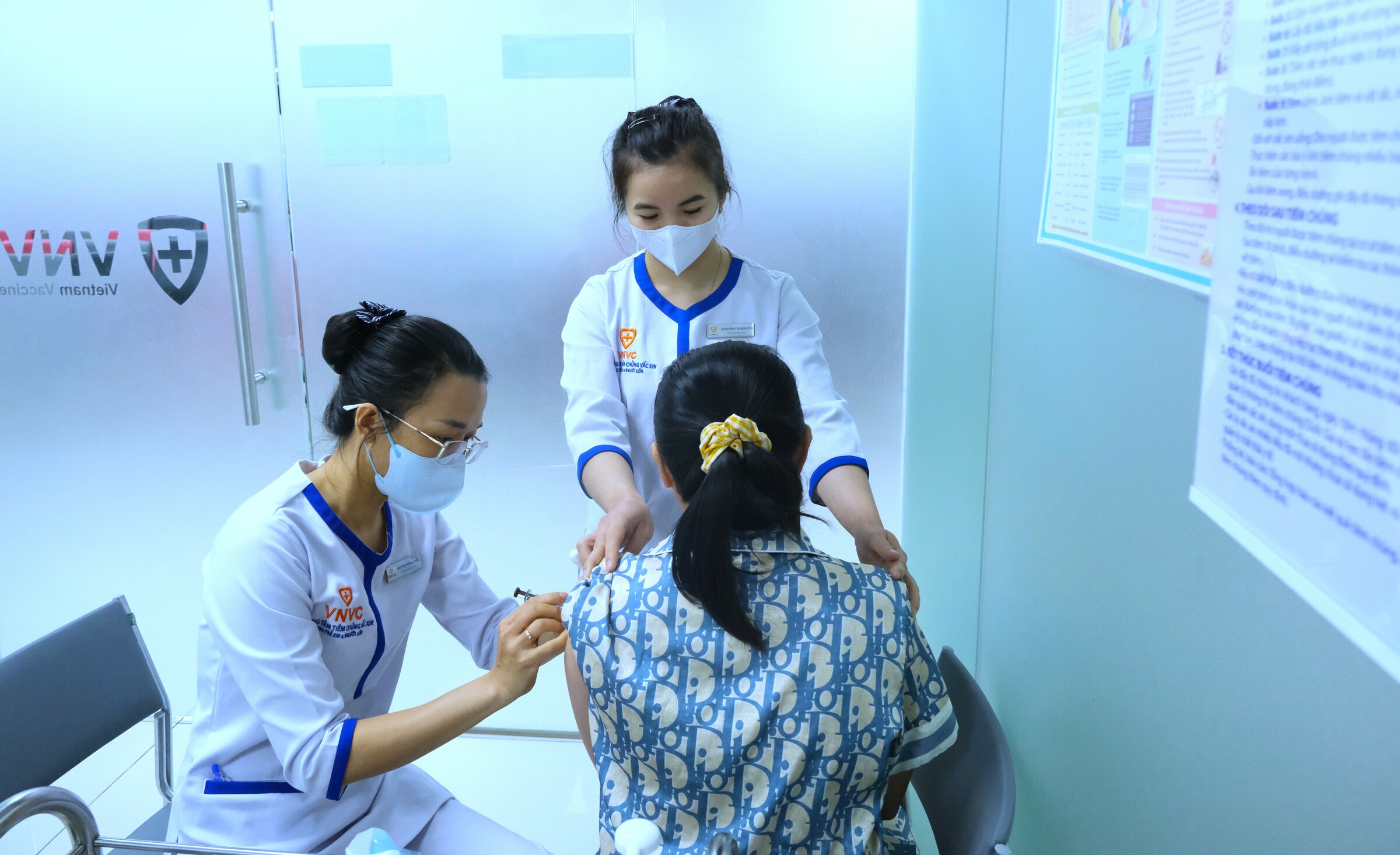 |
Adults receive the HPV vaccine to prevent HPV-related diseases, including genital warts, at the VNVC Vaccination System. Photo: Dieu Thuan |
Frequent genital wart recurrences not only impact quality of life and relationships but also increase the risk of infertility, miscarriage, premature birth, and cancers of the genital, anal, and oropharyngeal regions. Patients must adhere to treatment protocols, use prescribed medication, and attend regular follow-ups to monitor and prevent recurrence.
Dr. Thanh stated that many individuals who have had genital warts still proactively receive the HPV vaccine to prevent infection from other types and reduce their risk of reinfection. Research indicates the HPV vaccine helps prevent genital wart transmission in both men and women by up to 95%, and prevents HPV-related cancers with over 90% efficacy.
Currently, Vietnam offers two types of HPV vaccines: Gardasil, which protects against four types (6, 11, 16, 18) and is administered to females aged 9-26; and Gardasil 9, which protects against nine types (6, 11, 16, 18, 31, 33, 45, 52, 58) and is administered to both males and females aged 9-45. The vaccination schedule consists of two or three doses, depending on age.
Cong Nguyen
*Names of characters have been changed.