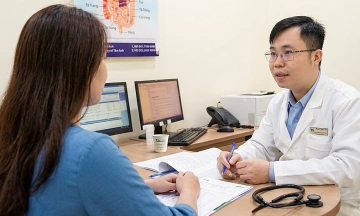
Dr. Hoang Quyet Tien, from the Medical Information Center at Tam Anh General Hospital, Ho Chi Minh City, notes that year-end, particularly leading up to Tet (Lunar New Year), often brings back pain, tired knees, stiff necks and shoulders, or persistent joint aches. This is typically due to a combination of factors: sudden increased strain on joints from house cleaning, carrying heavy items, luggage, long-distance travel, and prolonged sitting during commutes or meetings. Additionally, busy year-end schedules often disrupt diet and daily routines.
Dr. Tien advises people to be mindful of the following daily habits to manage year-end musculoskeletal pain.
Distribute activities throughout the day
Avoid consolidating cleaning or heavy lifting into one session. Instead, break down tasks and intersperse them with rest periods to allow muscles and joints to recover.
Maintain correct posture while sitting, lifting, and moving
Avoid squatting or remaining in one position for too long. Every 30-45 minutes, stand up, rotate your neck and shoulders, stretch, or walk gently to reduce joint stiffness and improve blood circulation. When lifting items, lower your center of gravity and bend your knees instead of bending your back. Limit carrying heavy objects with one hand or wearing a bag on one shoulder, as this can cause spinal rotation and misalignment. Divide items, carry them evenly with two hands, and prioritize using wheeled luggage or trolleys to reduce joint strain.
Avoid bending or twisting abruptly when carrying heavy items. Use assistive tools for house cleaning, such as a long-handled mop to prevent excessive bending, or jar openers to reduce hand strain.
Choose appropriate footwear
Extensive movement while wearing high heels, stiff-soled, or tight shoes increases pressure on the knee joints, ankles, and spine. Opt for soft, elastic-soled, well-fitting shoes or sandals to absorb shock during walking and protect joints.
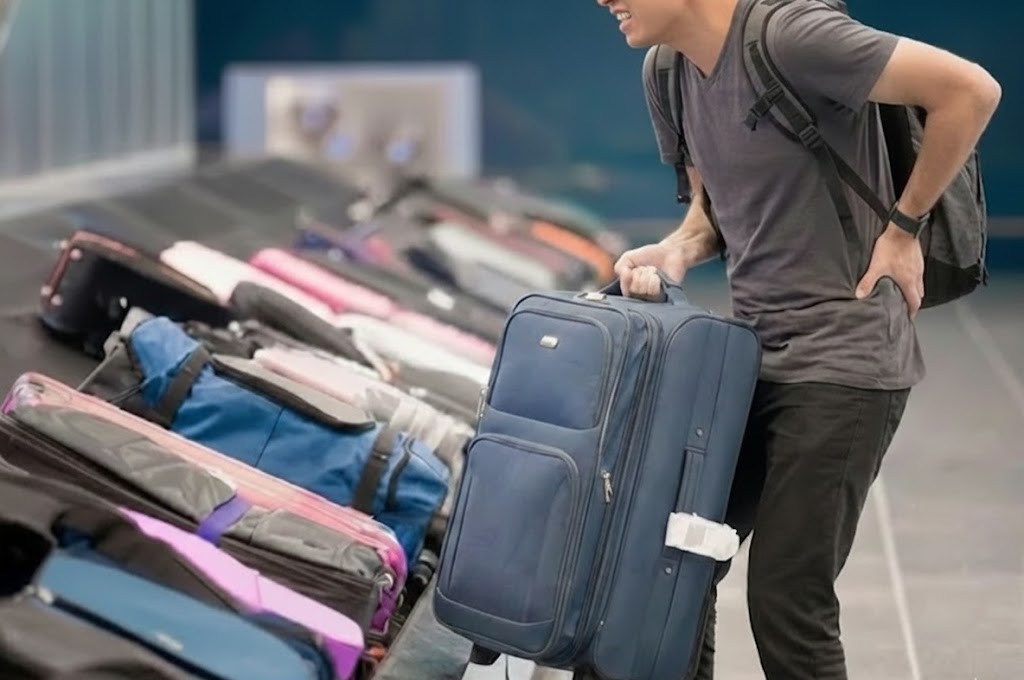 |
Incorrect posture during movement or heavy lifting can overload the musculoskeletal system. Image created by AI
Regular stretching and light exercise
Maintain moderate activity, such as walking or light cycling, to preserve flexibility and reduce joint stiffness. Regularly perform wrist, ankle, hip, shoulder, and knee rotations to enhance joint mobility and minimize the risk of sudden muscle strains during movement or carrying items.
Stay hydrated
Water is a primary component of joint fluid. Dehydration can exacerbate inflammation and decrease joint fluid, which acts as a cushion, leading to pain, swelling, and stiffness. Drinking enough water daily, especially during activity and travel, helps maintain stable joint fluid levels, lubricates the musculoskeletal system, and nourishes cartilage.
Keep your body warm
Low temperatures are a common trigger for year-end joint pain flare-ups. Temperatures on public transport, such as buses, airplanes, and trains, are often low and unadjustable. Individuals should keep their bodies warm, especially vulnerable joints like the neck, back, knees, hands, and fingers, to reduce stiffness and limit pain, particularly in the early morning.
Dr. Tien emphasizes that in addition to adjusting lifestyle and nutrition, it is important to support joint health internally, especially for middle-aged individuals, those with a history of joint conditions, or those who are highly active.
Key nutrients that can supplement the body include: undenatured type II collagen and hydrolyzed collagen peptides, eggshell membrane, chondroitin sulfate, and turmeric root extract. These components help alleviate joint pain, nourish and regenerate joint cartilage, and maintain joint flexibility with regular use. If joint pain persists for several days, progressively worsens, or restricts movement, individuals should seek early medical consultation for proper diagnosis and treatment.
Dinh Dieu
| Readers can submit questions about musculoskeletal conditions here for a doctor's response. |