Dr. Nguyen Huy Hoang, from the Vietnam Association of Underwater and Hyperbaric Medicine, advises that the most effective way to mitigate alcohol's harmful effects is to take preventive measures before drinking, rather than seeking an "antidote" after becoming intoxicated.
At social gatherings, consuming a meal rich in fats, protein, and complex carbohydrates before drinking acts as a vital protective barrier. Food forms a physical buffer in the stomach, preventing alcohol from directly contacting the stomach lining. When food is present, the stomach processes contents gradually, releasing small amounts into the small intestine. This ensures alcohol enters the bloodstream in stages, avoiding a sudden rush.
Specifically, fats, such as: oil, butter, cheese, pate, and fatty meats, effectively slow gastric emptying. Protein from sources such as: meat, fish, eggs, and milk, also prolongs the time food and alcohol remain in the stomach, resulting in a less steep and more gradual rise in blood alcohol concentration.
Complex carbohydrates, including: bread, whole grains, and potatoes, possess a porous structure that absorbs alcohol similar to a sponge. This prevents alcohol from being entirely free, thereby slowing its movement and absorption rate. Consuming bread, milk, or cheese before drinking helps mitigate the speed and sensation of intoxication; however, it does not prevent you from getting drunk.
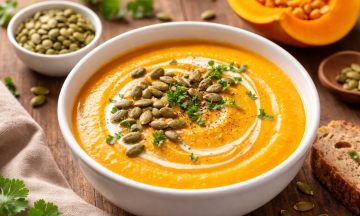
Opting for light meals such as: thin porridge, soup, noodle soup, or vegetable broth, particularly green bean porridge, can provide hydration and energy to the liver without overburdening the digestive system.
 |
Eating bread helps reduce feelings of intoxication and fatigue. *Illustration: Allrecipes*
Drinking milk before consuming alcohol is beneficial, as milk contains both protein and fat. Upon contact with stomach acid, these components can form a relatively viscous protective layer, safeguarding the stomach lining. Individuals with sensitive stomachs or those prone to stomach pain after drinking often find relief by consuming milk or a light snack beforehand.
Another effective strategy is to drink slowly. A typical adult body requires approximately one hour to process one unit of alcohol. Rapid consumption of multiple drinks can overwhelm the liver with ethanol, leading to a quick buildup of acetaldehyde and rapid intoxication. Taking small sips, engaging in conversation, and alternating between alcoholic beverages, food, and plain water allows the liver adequate time to metabolize alcohol, thereby minimizing potential damage.
Plain water serves a dual purpose: it dilutes alcohol in the stomach and aids in rehydration. Consistently alternating alcoholic drinks with plain water can lead to feeling more alert and experiencing fewer headaches the following day, even though blood alcohol concentration will still require time to naturally diminish.
Various beverages, including: orange juice, lemon juice, ginger honey water, sugarcane juice, and coconut water, can be beneficial when consumed appropriately. Orange and lemon juices offer vitamin C and antioxidants. Ginger helps alleviate nausea and warms the stomach. Honey, with its fructose content, supports liver metabolism. Sugarcane juice and coconut water assist in replenishing lost sugars and minerals after a night of excessive drinking. Individuals with sensitive stomachs should avoid acidic drinks on an empty stomach to prevent further irritation of the lining.
It is important to note that mixing alcohol with carbonated soft drinks or energy drinks accelerates alcohol absorption. While energy drinks contain caffeine that may create a false sense of alertness and reduce drowsiness, the brain remains impaired by alcohol. This can lead to misjudgments regarding driving ability and an increased likelihood of making risky decisions without full awareness.
After consuming alcohol, it is imperative to avoid driving, swimming, working at heights, or operating machinery. While caffeine might reduce sleepiness, it does not restore reflexes or judgment to their normal state. Some individuals may feel "perfectly sober" after drinking coffee or energy drinks, but they are actually experiencing "false sobriety", making them highly susceptible to accidents if they attempt dangerous tasks.
Crucially, never take Paracetamol after drinking alcohol to alleviate headaches, as this can lead to severe liver damage, or even acute liver failure in high-risk individuals. Furthermore, avoid saunas or strenuous exercise in an attempt to "sweat out the alcohol quickly".
If an intoxicated individual exhibits severe symptoms such as: slow breathing, cold skin, blue lips, persistent vomiting, convulsions, or coma, immediately contacting emergency services is the only appropriate action. Alcohol poisoning is a medical emergency that requires prompt intervention, not a condition that simply "sleeps off".
Below are instructions for calculating blood alcohol content and the estimated time required for it to return to zero after alcohol consumption:
Thuy An