Alcohol poisoning severely affects the body when too much ethanol is consumed in a short period, or when poor-quality alcohol containing methanol is ingested. The liver cannot process these substances quickly enough, leading to nervous, cardiovascular, and respiratory system disorders. This can result in coma and brain damage. Symptoms can appear rapidly, including dizziness, nausea, vomiting, headache, speech difficulties, and loss of balance.
According to specialist Nguyen Trung Hieu from the Department of Nutrition at Tam Anh General Hospital, the period leading up to Tet Nguyen Dan (Lunar New Year) sees a significant increase in alcohol poisoning cases. Patients often arrive at the hospital in critical, life-threatening conditions. Below are essential guidelines to prevent alcohol poisoning.
Choose alcohol with clear origins
Adults who choose to consume alcoholic beverages should select products from reputable sources. Many alcohol poisoning incidents result from purchasing alcohol of unknown origin, often advertised online.
 |
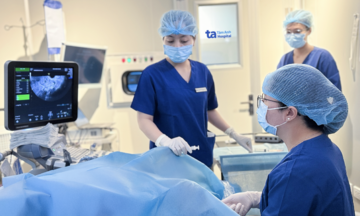
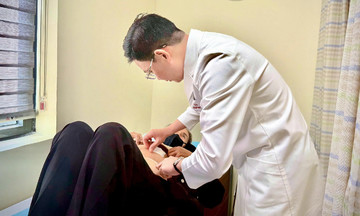
Severe alcohol poisoning causes impaired consciousness, liver damage, and requires timely emergency care. Photo: Quang Nguyen |
Avoid industrial alcohol and alcohol with methanol content exceeding 0,1%
Once in the body, methanol metabolizes into formaldehyde and formic acid. These compounds cause severe metabolic acidosis, brain damage, and optic nerve damage that can lead to blindness or even death. Alcohol containing methanol often lacks a distinct taste or smell compared to regular alcohol, making it difficult for drinkers to detect.
Symptoms of methanol poisoning may appear several hours after consumption. These include headache, nausea, vomiting, dizziness, blurred vision, double vision, confusion, rapid deep breathing, or impaired consciousness.
Limit alcoholic beverages infused with herbs, plants, or animals
Specialist Hieu warns that many herbs, roots, leaves, or animals steeped in alcohol can contain natural toxins and heavy metals. These substances are harmful to the liver, kidneys, and nervous system. Handcrafted infused alcohol is often made from unidentified base alcohol, posing a risk of containing methanol or other toxic impurities.
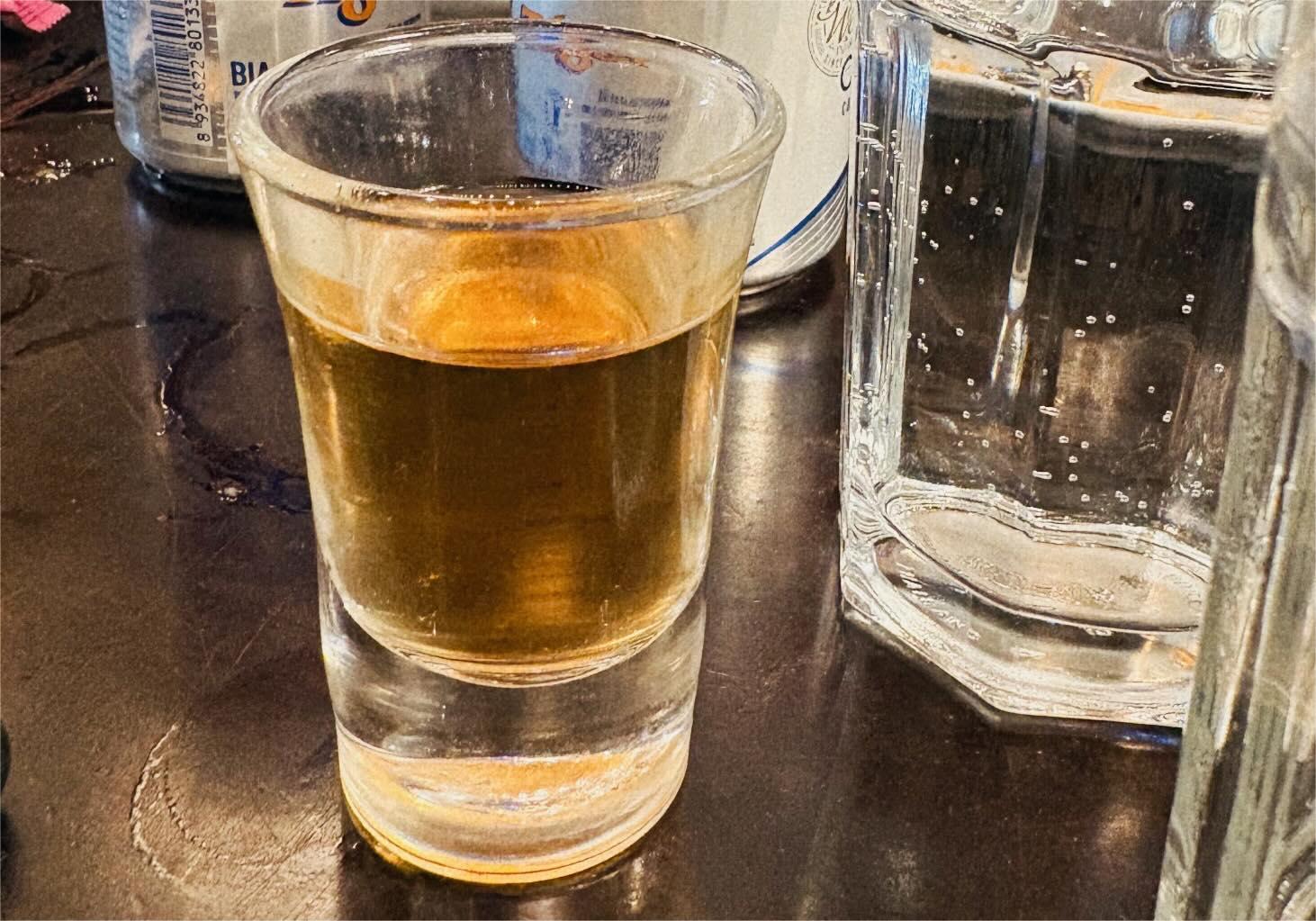
To prevent alcohol poisoning, individuals should minimize alcohol consumption. Do not exceed 30 ml per person per day for alcohol with an alcohol content of 30% or higher. Additionally, avoid drinking alcohol when hungry, fatigued, physically debilitated, or while taking medication, due to the risk of drug interactions.
If, after consuming alcohol, you experience nausea, vomiting, headache, dizziness, confusion, or impaired consciousness, stop drinking immediately and seek examination at the nearest medical facility.
Hang Tran
| Readers can submit nutrition questions here for doctors to answer. |