These provisions are outlined in a circular guiding the National Target Program on Healthcare, Population, and Development for the 2026-2035 period, with Phase I running from 2026 to 2030, recently issued by the Ministry of Health.
Vietnam's current birth rate is 1,93 children per woman, placing it among the lowest in Southeast Asia, while young people are marrying increasingly later. According to the Ministry of Health, the average age for first marriage among Vietnamese increased from 25,2 in 2019 to 27,3 in 2024. This increase over 5 years is almost double the increase seen in the preceding 20 years. Ho Chi Minh City (TP HCM) has the highest average age for first marriage nationwide at 30,4. In the Southeast and Mekong Delta regions, men delaying marriage until after 30 is more common than in other areas.
Experts attribute the reluctance of young people to date, marry, and have children to financial pressures, career development focus, or difficulties in finding an ideal partner. The prolonged low birth rate leads to severe labor shortages and accelerates population aging. Projections indicate that within the next 50 years, the social structure will be inverted, with every two children bearing the responsibility of caring for four elderly individuals. Therefore, the Ministry of Health is seeking solutions to increase the birth rate and improve population quality.
Encouraging marriage before 30, pre-marital skills education
The circular outlines a key initiative to boost the birth rate: communicating, counseling, and mobilizing men and women to marry before 30 and have two children in areas with low birth rates. Additionally, local authorities will organize activities to provide knowledge and skills for preparing for married and family life, targeting youth before marriage. Course content includes: knowledge of marriage, family, reproductive and sexual health, pregnancy, childbirth, childcare, and family financial management skills.
The Ministry of Health is developing and standardizing a unified set of materials for nationwide use, while also training a team of instructors and health-population officials before local implementation. Annually, approximately 20% of communes, wards, and special zones are expected to organize at least one class or specialized workshop for young people preparing for marriage.
Pre-marital education is integrated into the overall new population policy. The goal is to better prepare young people regarding reproductive health, marital life, finances, and parenting skills, in addition to encouraging marriage at an appropriate age.
Having two children in 10 low birth rate localities
The Ministry of Health has identified 10 localities with birth rates below the national average for implementing communication, counseling, and support activities to encourage couples to have two children. The list includes: Ha Noi, TP HCM, Can Tho, Khanh Hoa, Dong Nai, Tay Ninh, An Giang, Dong Thap, Vinh Long, and Ca Mau.
In these localities, the health sector is intensifying communication about the benefits of having two children, providing reproductive health counseling, and implementing appropriate support solutions to address the prolonged declining birth rate trend. Concurrently, the Ministry of Health is enhancing communication on maternal and child healthcare, improving population quality, and creating conditions for couples to fulfill their desire to have and raise children.
Previously, among policies under consideration, the Ministry of Health proposed options for localities to determine monthly financial support for children from birth up to 36 months old; support lunch costs for preschool children; or reward women who complete their childbearing goal before 35. These are separate policies currently being researched and are not provisions in the recently issued circular.
 |
Mass wedding in Ha Noi. *Photo: Pham Chieu* |
Pilot infertility risk screening in industrial zones
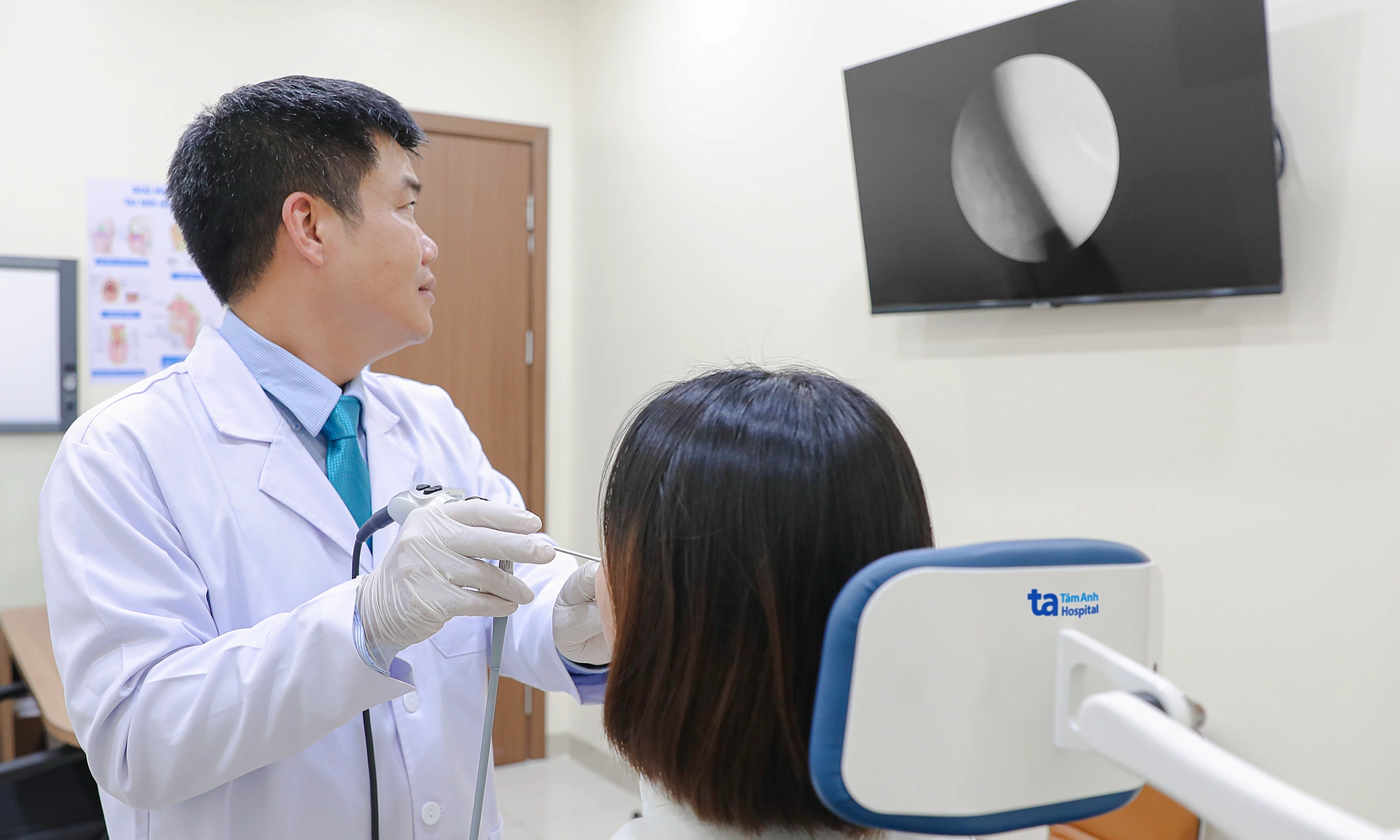
The circular aims to prevent and early detect infertility risks. The Ministry of Health requires enhanced communication, counseling, and screening for youth, couples preparing for marriage, and spouses of reproductive age. Notably, the health sector will pilot infertility risk screening in communes with industrial zones across the 10 provinces and cities identified with low birth rates. Priority is given to couples married for over 12 months without children, especially if one spouse works in an industrial zone.
Including infertility risk screening in the population program demonstrates that the policy not only focuses on encouraging childbirth but also emphasizes the reproductive capabilities of the population. Early detection of risk factors allows couples to receive timely counseling and intervention, rather than seeking medical help after a prolonged period of not conceiving.
Furthermore, the Ministry of Health will conduct specialized surveys in 2027, 2029, and 2030 to understand factors influencing family and young people's decisions on childbearing and desired family size. These surveys will also examine the relationship between population size, birth rate, and socio-economic development, informing policy formulation. The results will provide updated data on fertility trends and reasons for declining birth rates, thereby enabling the development of appropriate population policies as many localities face low birth rates, population aging, and demographic imbalances.
The Ministry of Health assesses that with various solutions, from encouraging marriage before 30, advocating for two children, to providing pre-marital education and protecting reproductive health, the population program for the 2026-2030 period creates conditions for young people to establish families, have children, and raise them under more favorable circumstances.
Le Nga