Fruits are a primary source of carbohydrates (carbs). They contain potassium, vitamin C, folate, and numerous plant-based nutrients. One apple provides about 34 g of carbs, 25 g of sugar, and 5 g of fiber. A medium-sized banana offers approximately 30 g of carbs, 19 g of sugar, and 3 g of fiber. Pears, cherries, grapes, blueberries, and oranges are also rich in carbs and fiber, featuring a low glycemic index (GI) that minimally impacts blood sugar levels for diabetics.
Vegetables contain fewer carbs than fruits but offer comparable or higher fiber content. They are also rich in nutrients like potassium, folate, and vitamins A and C, which help maintain stable blood sugar. Some carb and fiber-rich vegetables recommended for diabetics include turnip (8,5 g carbs per root), carrot (7 g carbs per root), broccoli, cruciferous vegetables, and celery. Potatoes, sweet potatoes, and pumpkin contain high amounts of complex carbs, so diabetics should consume them in moderation to avoid blood sugar spikes.
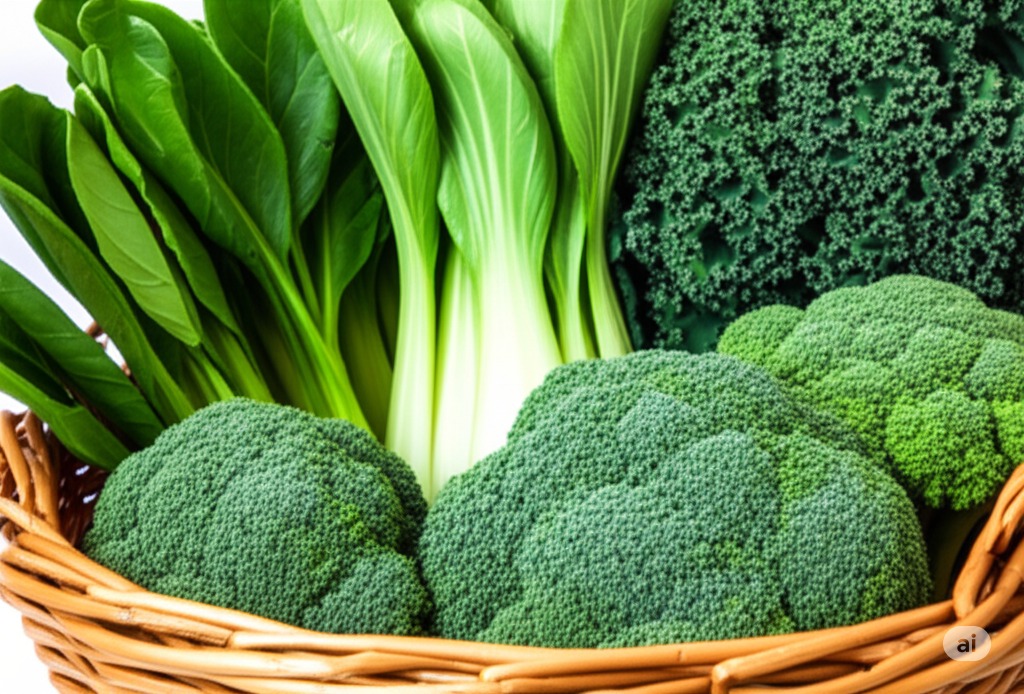 |
Non-starchy vegetables are rich in carbs and fiber, with minimal impact on blood sugar. *AI-generated image* |
Beans are an excellent source of complex carbs, fiber, and potassium. Their abundant protein helps diabetics feel full longer, reduces hunger, and prevents fat accumulation. Navy beans contain a total of 24 g of carbs and 10 g of fiber per 125 g serving. Chickpeas provide 22 g of carbs, while black beans and lentils each have 20 g of carbs. When prepared by boiling, steaming, or in low-sugar desserts or baked goods, they typically do not raise blood sugar.
Whole grains retain all parts of the grain, whereas refined grains (processed) have most of their fiber removed. This is why refined grains like white rice, white flour, and rice noodles cause rapid blood sugar increases. Whole grains such as barley, brown rice, and oats provide B vitamins, vitamin E, plant nutrients, healthy unsaturated fats, fiber, and complex carbs, all of which support stable blood sugar levels.
Dairy products are rich in calcium and provide complete proteins, boosting essential amino acids for the body. Diabetics should choose carb-rich, low-sugar dairy products like low-fat yogurt (17 g carbs per container), non-fat yogurt, skim milk, and Greek yogurt.
Diabetics should adjust carb intake based on their digestion and individual body characteristics. However, daily consumption should be approximately 130-180 g, with total carbs accounting for 45-65% of daily caloric intake. Prioritize carbs with a low to medium glycemic index, roughly 1-60, and limit foods and drinks with a GI above 60. Opt for carbs high in fiber and healthy fats.
Be aware that consuming excessive carbs can lead to weight gain if total calorie intake exceeds calories burned, increasing fat storage. It also raises the risk of insulin resistance, elevated blood sugar, and can contribute to cardiovascular disease, diabetes, and fatty liver.
Anh Chi (According to Very Well Health)
| Readers can submit questions about diabetes here for a doctor's response. |