Maintaining a healthy diet in winter is crucial for overall well-being. During colder periods, proper nutrition becomes even more vital to protect essential organs such as the liver, heart, and kidneys.
Colder weather often brings various health challenges, frequently linked to uncontrolled eating and reduced physical activity. While immediate effects might not be apparent, these habits can eventually lead to increased blood pressure, dehydration, and reduced sweating, which promotes salt accumulation and raises the risk of kidney stones. To safeguard kidney health as temperatures drop, consider adopting these key practices.
Stay Hydrated
Staying adequately hydrated is crucial for flushing out toxins and preventing kidney stones. Adults should aim for around 1.8-2 liters of water daily, adjusting based on age, individual needs, activity levels, and climate. Even though colder temperatures may reduce thirst, consistent water intake remains essential.
Beyond plain water, incorporating soups or herbal teas can help maintain necessary body hydration, aiding the kidneys in efficient waste filtration. Lemon water also helps prevent kidney stones due to its high citrate content. Citrate binds with calcium, preventing crystal formation and promoting hydration, which is vital for toxin elimination.
Avoid processed foods, which are often high in salt, sugar, and caffeine, as these can lead to fluid loss. Pay attention to your body's signals for dehydration, such as fatigue and headaches, to make timely adjustments and ensure long-term kidney protection.
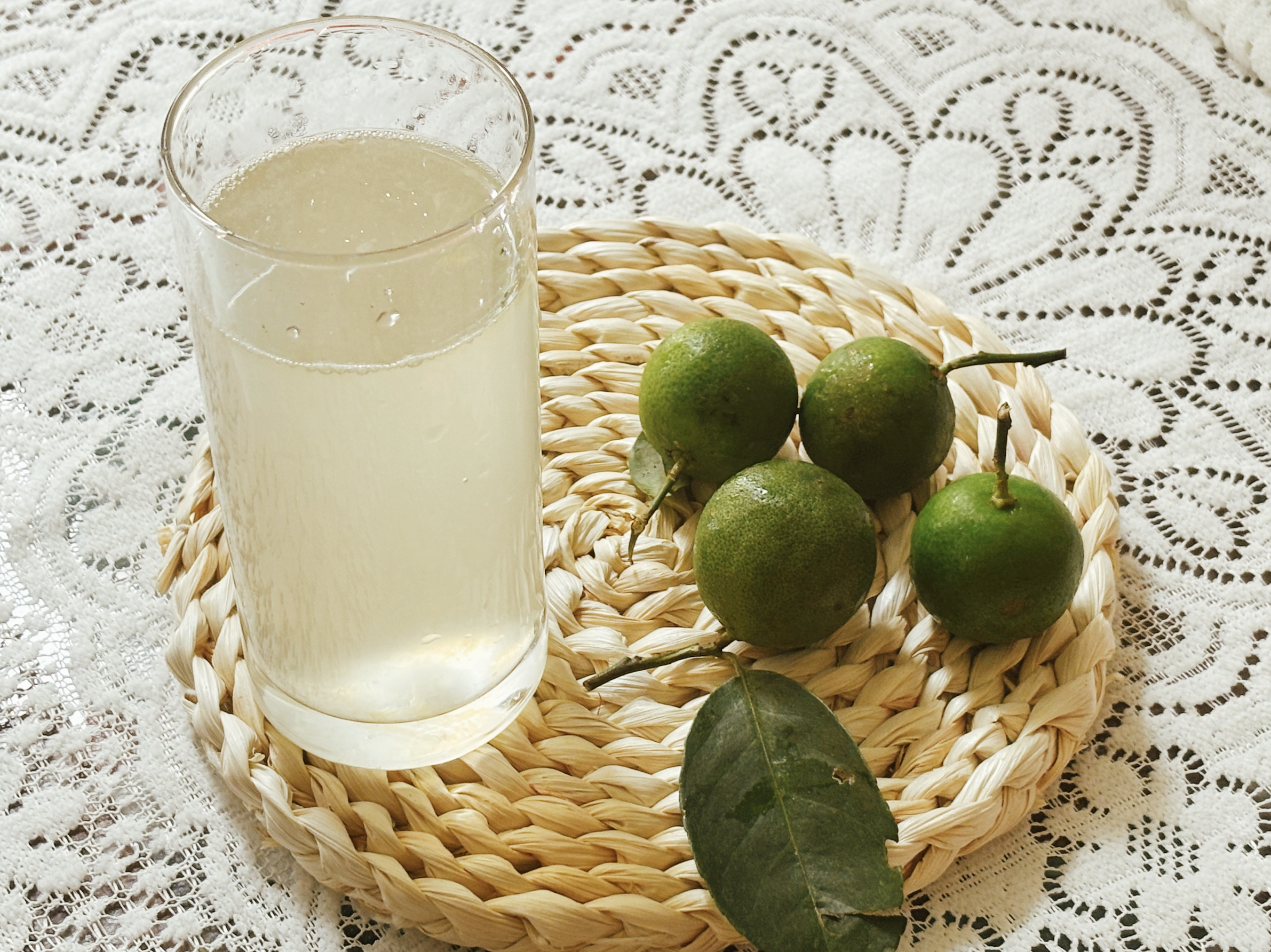 |
Lemon water provides hydration and citrate, helping prevent kidney stones and promoting kidney detoxification. *Bao Bao* |
Prioritize Seasonal Foods
Maintain a balanced and varied diet throughout winter. Incorporate seasonal green leafy vegetables, berries, apples, and whole grains. These foods are rich in vitamins and antioxidants, which combat oxidative stress and safeguard the kidneys from damage.
Reduce Salt and Sugar
Foods high in salt and sugar can negatively impact kidney health. Individuals should aim to keep salt intake below 2,300 mg and limit added sugar to less than 10% of their total daily energy. A diet rich in fiber and healthy fats supports kidney function while stabilizing blood pressure and blood sugar, both crucial for long-term kidney health. Restrict high-sodium foods, processed snacks, and excessive animal protein, as these can overburden the kidneys.
Exercise Regularly
Protecting kidney and overall health during colder months extends beyond diet. Regular physical activity is equally essential. Aim for at least 30 minutes daily of light to moderate exercises, such as walking, cycling, jumping rope, or jogging, to maintain a healthy body and ensure organs function smoothly. Yoga twists, planks, and squats can enhance blood circulation, thereby supporting the kidneys' natural detoxification process.
Bao Bao (Source: Times of India)