Avoid making the room too cold
Setting your air conditioner to an excessively low temperature can disrupt sleep and cause discomfort, especially as body temperature naturally decreases towards morning. According to the Times of India, maintaining a moderate room temperature, ideally between 26 and 28 degrees Celsius, is recommended. This range ensures a cool, comfortable environment without being overly chilly. If the room is initially warm, pre-cool it before bed, then adjust the temperature to a more pleasant level for the night.
Avoid direct air conditioner airflow to the face
Sleeping directly under an air conditioner or having its airflow aimed at your head, face, or neck is a habit to avoid. Continuous cold air exposure for several hours can dry out your nasal passages and throat, leading to congestion, a sore throat, or discomfort upon waking. Instead, direct the airflow towards the ceiling or to the sides of the room to ensure even cooling. Position beds away from any direct drafts.
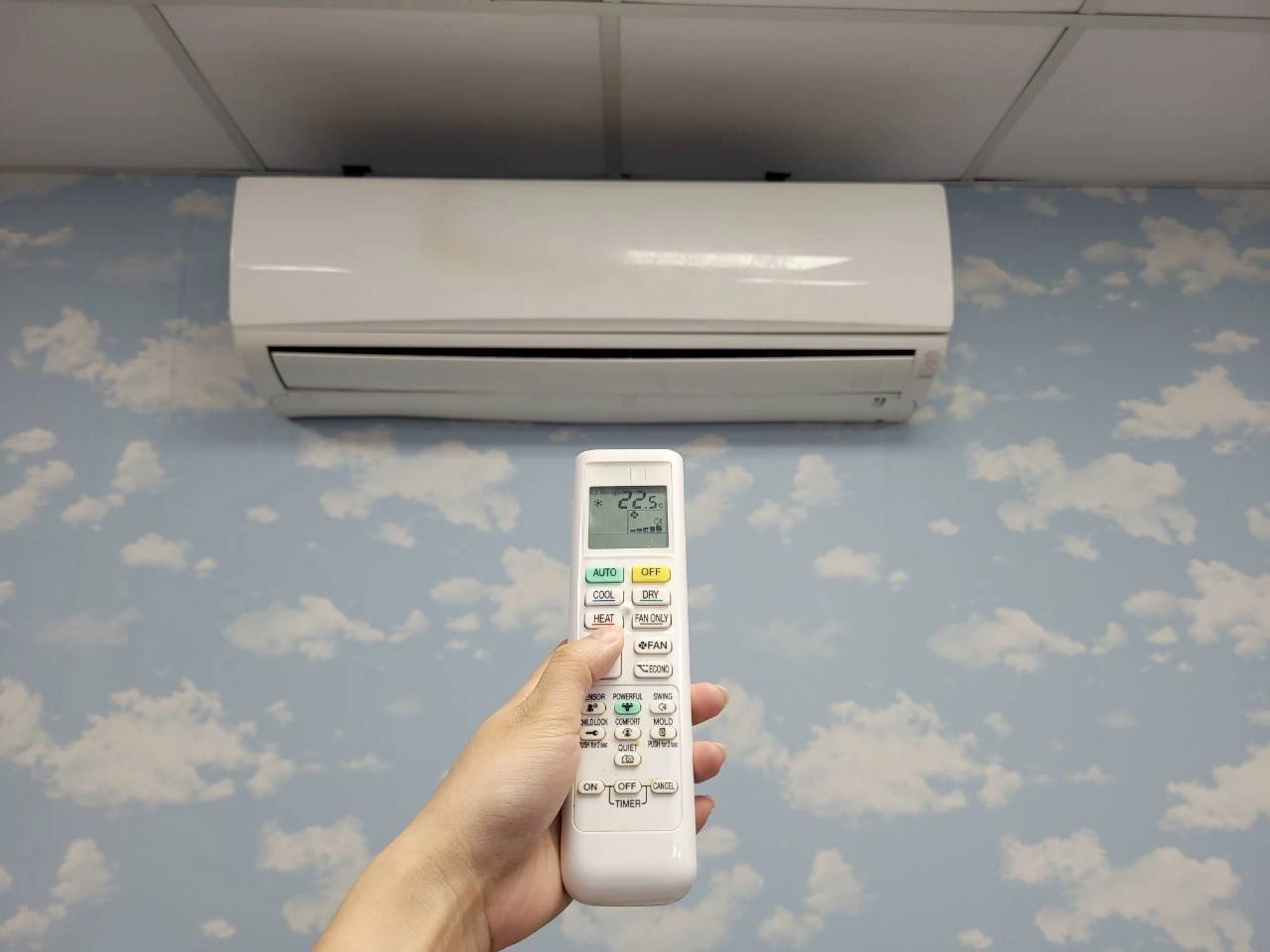 |
Individuals in overly cold air-conditioned rooms risk thermal shock when frequently moving between indoor and outdoor environments. *Illustration: Hai Au* |
Maintain adequate room humidity
Many people wake with a dry mouth, nose, or sore throat after a night in an air-conditioned room, often due to overly dry air. If this is a regular occurrence, check your room's humidity levels with a meter. If using a humidifier, ensure it is cleaned and its water is changed frequently to prevent mold and bacteria growth. According to Healthline, staying hydrated throughout the day is important, but avoid drinking too much water right before bed to prevent frequent nighttime bathroom trips.
Regularly clean air conditioner and bedroom
Over time, uncleaned air conditioners accumulate dust in their filters and internal parts. When the unit operates, this dust can be recirculated into the room, worsening nasal and respiratory symptoms for sensitive individuals. Filters should be cleaned as per manufacturer instructions, and the air conditioner should receive periodic maintenance. Additionally, regularly clean your bedroom, including blankets and pillows, to reduce dust. Beyond air conditioner usage, several pre-sleep habits can protect respiratory health. Avoid smoking or consuming alcohol in the evening, as these can irritate airways. Eat a moderate dinner and avoid lying down immediately afterward to prevent reflux, which can cause coughing and a sore throat. Wear breathable sleepwear and use suitable blankets to stay warm overnight.
By Le Nguyen (Compiled)
| Readers can submit questions about respiratory health here for expert answers. |