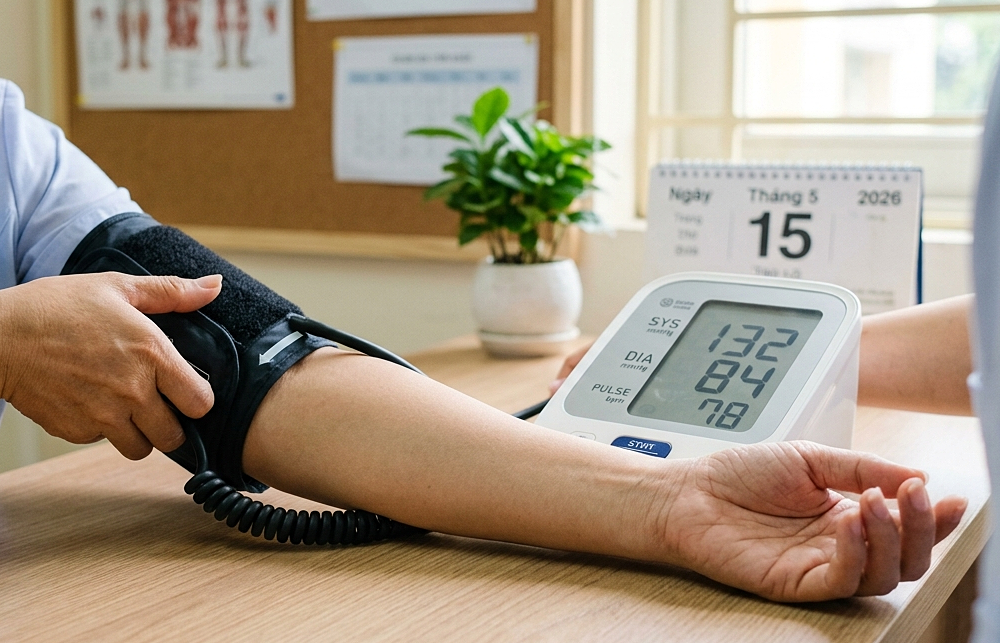
Hepatitis B is an infectious disease caused by the hepatitis B virus (HBV), transmitted through blood and body fluids. Many cases show no clear symptoms for a long time, causing individuals to overlook the condition. If not detected and treated promptly, hepatitis B can progress to chronic hepatitis, cirrhosis, liver failure, or liver cancer.
Dr. Nguyen Thi Thu Hai, Specialist Level II, from the Department of Gastroenterology, Hepatology, Pancreatology at Tam Anh General Hospital, provides guidance on several measures to protect health and prevent hepatitis B.
Get the hepatitis B vaccine
According to Dr. Hai, vaccination is currently the most effective and safest way to prevent hepatitis B. Newborns should receive their first hepatitis B vaccine dose within 24 hours of birth and complete all subsequent doses according to the immunization schedule.
Adults who have never been vaccinated or are unsure of their immune status should proactively get vaccinated, especially those living with HBV-infected individuals, healthcare workers, or people with a high risk of exposure. The protective efficacy of the vaccine can last for many years or a lifetime in individuals who receive sufficient doses and have a good immune response.
 |
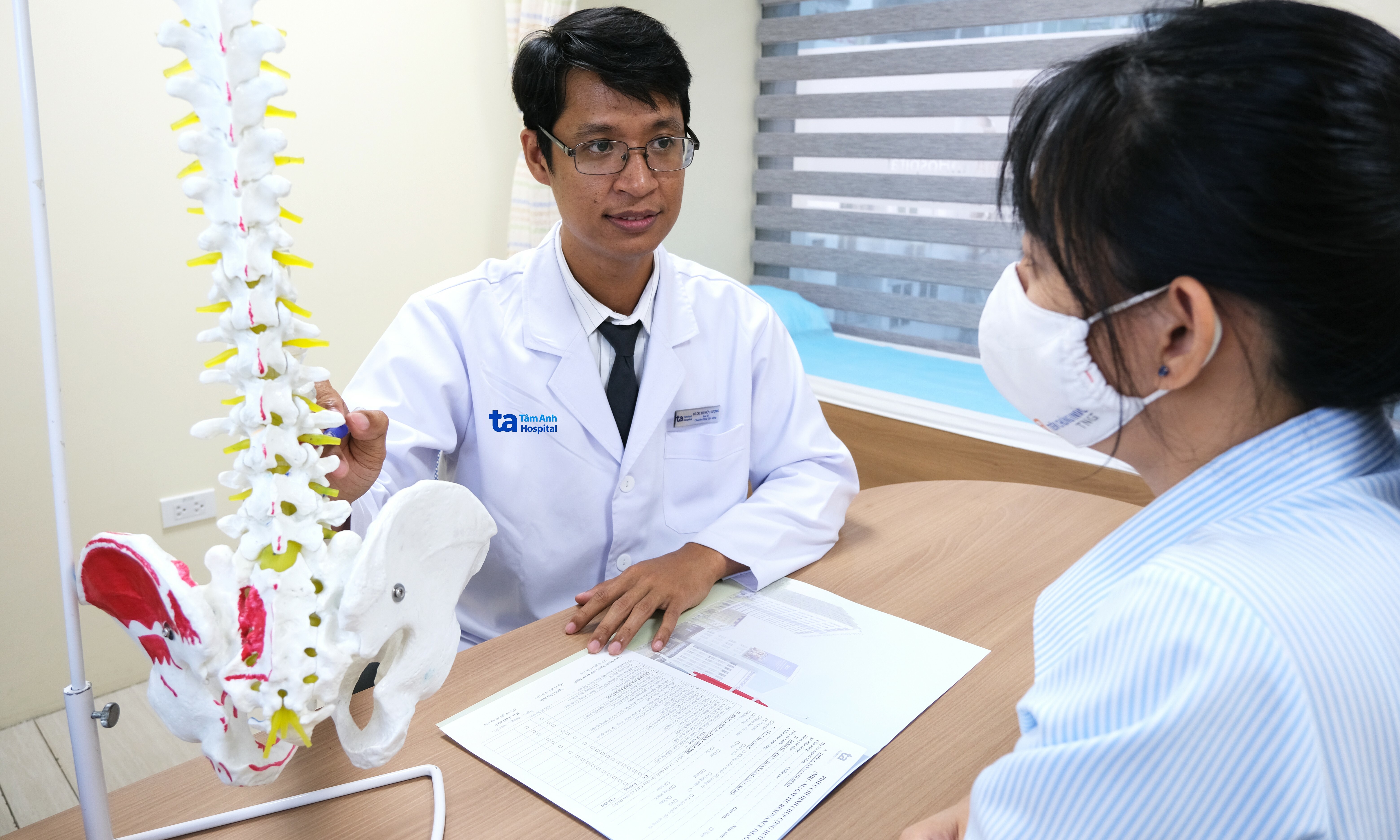
Dr. Hai examining a patient. Photo: Tam Anh General Hospital
Undergo regular HBV testing and screening
Pregnant women should be screened for hepatitis B during prenatal check-ups to implement measures preventing mother-to-child transmission.
Individuals living with chronic hepatitis B patients should undergo regular check-ups and get vaccinated if they do not have protective immunity. For infants born to HBV-infected mothers, after completing the vaccination regimen, serologic testing should be performed at 9-12 months of age to assess the vaccine's protective efficacy and detect any early risk of infection.
Reduce risk factors
The hepatitis B virus is not transmitted through sharing food, coughing, or sneezing, but primarily through blood, sexual contact, and from mother to child.
To prevent the disease, people should not share needles, razors, toothbrushes, nail clippers, or other items that may come into contact with blood. Piercing tools, tattooing equipment, and acupuncture needles must be properly sterilized.
When coming into contact with blood or body fluids, wash hands thoroughly with soap and sanitize surfaces with appropriate disinfectants. Using condoms during sexual intercourse helps reduce the risk of hepatitis B and other infectious diseases.
In cases where pregnant women are HBV-infected, the virus can transmit to the child during pregnancy or childbirth. To minimize this risk, infants should receive the hepatitis B vaccine and hepatitis B immune globulin (HBIG) immediately after birth. For pregnant women with a high viral load, doctors may prescribe antiviral medication during the third trimester of pregnancy to limit the risk of transmission.
Maintain a healthy lifestyle to protect the liver
According to Dr. Hai, maintaining a scientific lifestyle boosts immunity and supports more efficient liver function. Everyone should adopt a balanced diet, increase intake of green vegetables and fruits, drink enough water, and limit fatty foods. Do not smoke and avoid excessive alcohol consumption. Regular exercise, sufficient sleep, and stress management contribute to strengthening overall resistance.
Do not self-medicate with drugs, dietary supplements, or products of unknown origin, as some active ingredients can cause liver damage.
Thao Nhi
| Readers can ask questions about liver disease here for doctors to answer |