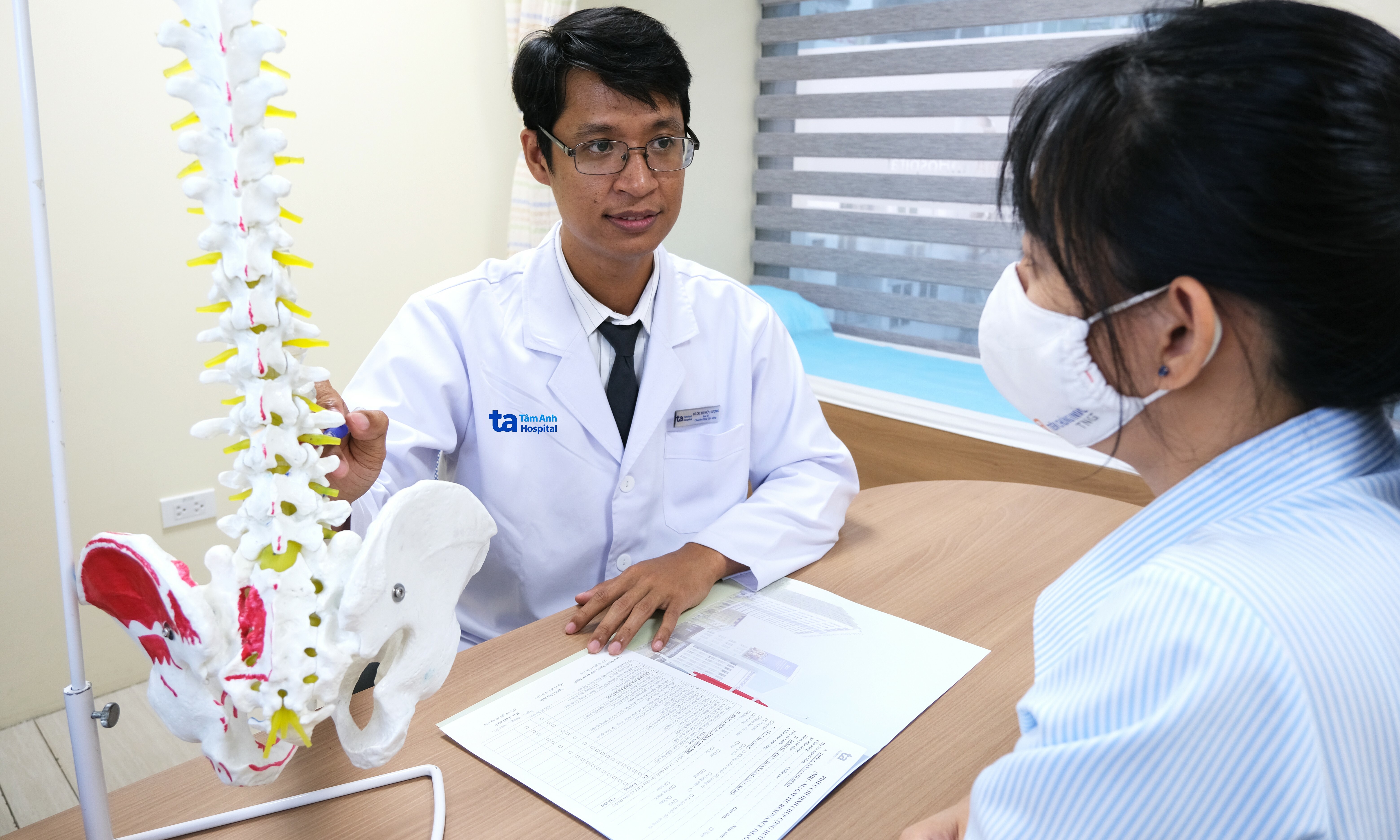
Mr. Tung underwent surgery to remove his right parotid gland and received chemotherapy and radiation therapy for salivary gland cancer in late 2024 at a local hospital. Recently, he experienced rapid weight loss and sought examination at Tam Anh General Hospital Hanoi. A CT scan revealed four liver tumors, the largest measuring approximately 66x65 mm.
Doctor Nguyen Thanh Trung, Head of the Oncology Department, stated that the tumors in the liver could be intrahepatic cholangiocarcinoma. However, given the patient's history of salivary gland cancer, distant metastasis could not be ruled out. Some salivary gland cancer cells might have remained dormant, not large enough to be detected during chemotherapy and radiation therapy one year prior, and have now developed into metastatic liver lesions.
Liver biopsy results, along with histopathological and advanced immunohistochemical analyses, confirmed the liver lesions as metastatic tubular adenocarcinoma from the salivary gland, positive for the HER2 biomarker.
HER2 is a protein found on the surface of cells, responsible for receiving signals that stimulate cell growth and division. When HER2 is overexpressed (HER2 positive), cancer cells proliferate more aggressively, leading to rapid tumor progression and increased metastatic potential.
The detection of HER2 holds significant importance in treatment. It is considered a biomarker that guides doctors in selecting targeted therapies, opening opportunities for personalized treatment regimens instead of conventional chemotherapy alone, according to Doctor Trung.
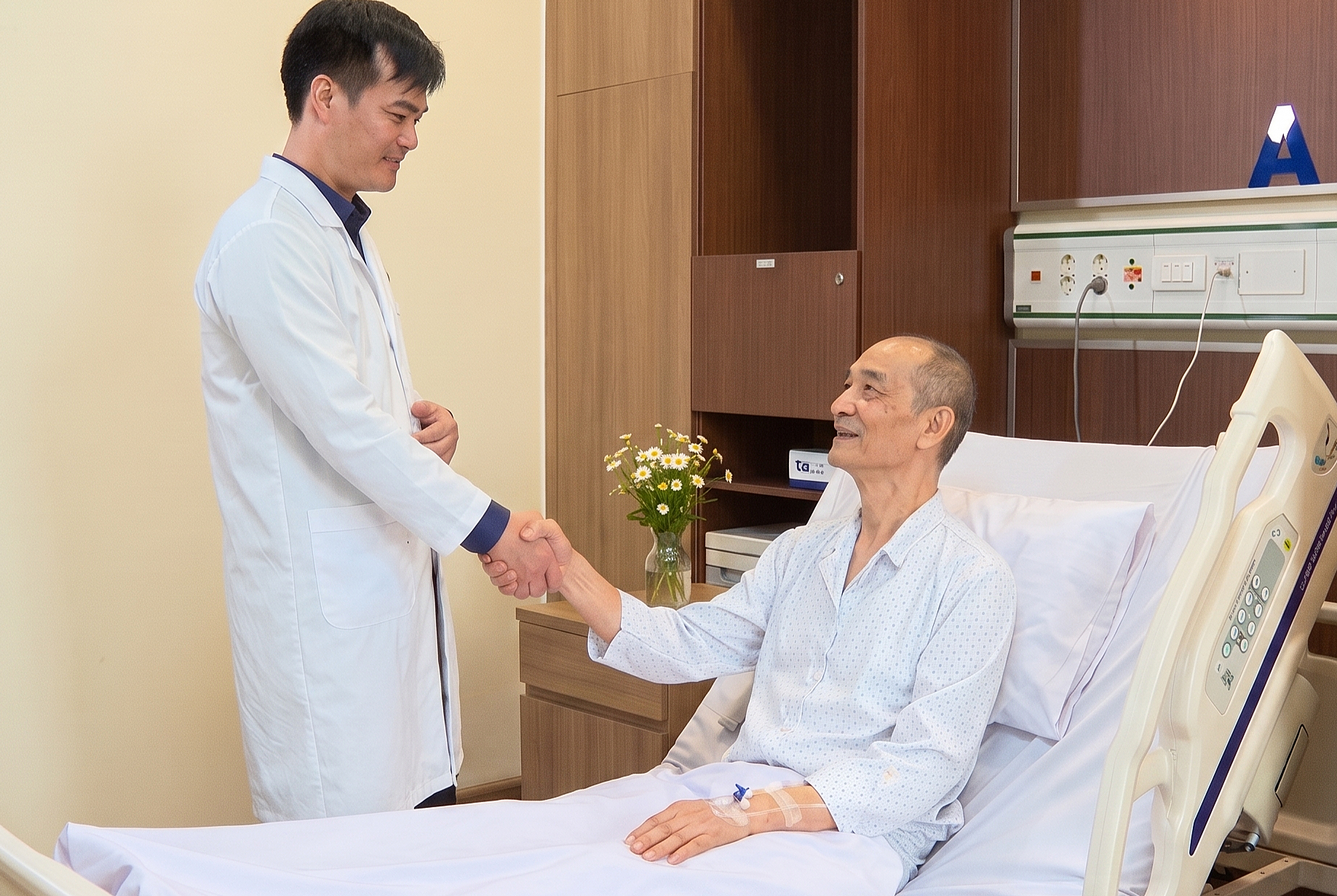 |
Doctor Trung examines and encourages Mr. Tung before his discharge. *Photo: Tam Anh General Hospital*. |
Mr. Tung was advised to undergo a treatment regimen combining chemotherapy with targeted therapy. Chemotherapy helps destroy rapidly proliferating cancer cells. Targeted therapy inactivates the HER2 protein on the surface of cancer cells, preventing tumor growth and simultaneously helping the immune system recognize and eliminate tumor cells.
He responded well to the treatment and tolerated the medication. MRI results after 6 treatment cycles showed that the liver tumors had shrunk by more than one-half compared to their size before treatment. The patient will continue targeted therapy for one year before reassessment to determine the next course of treatment.
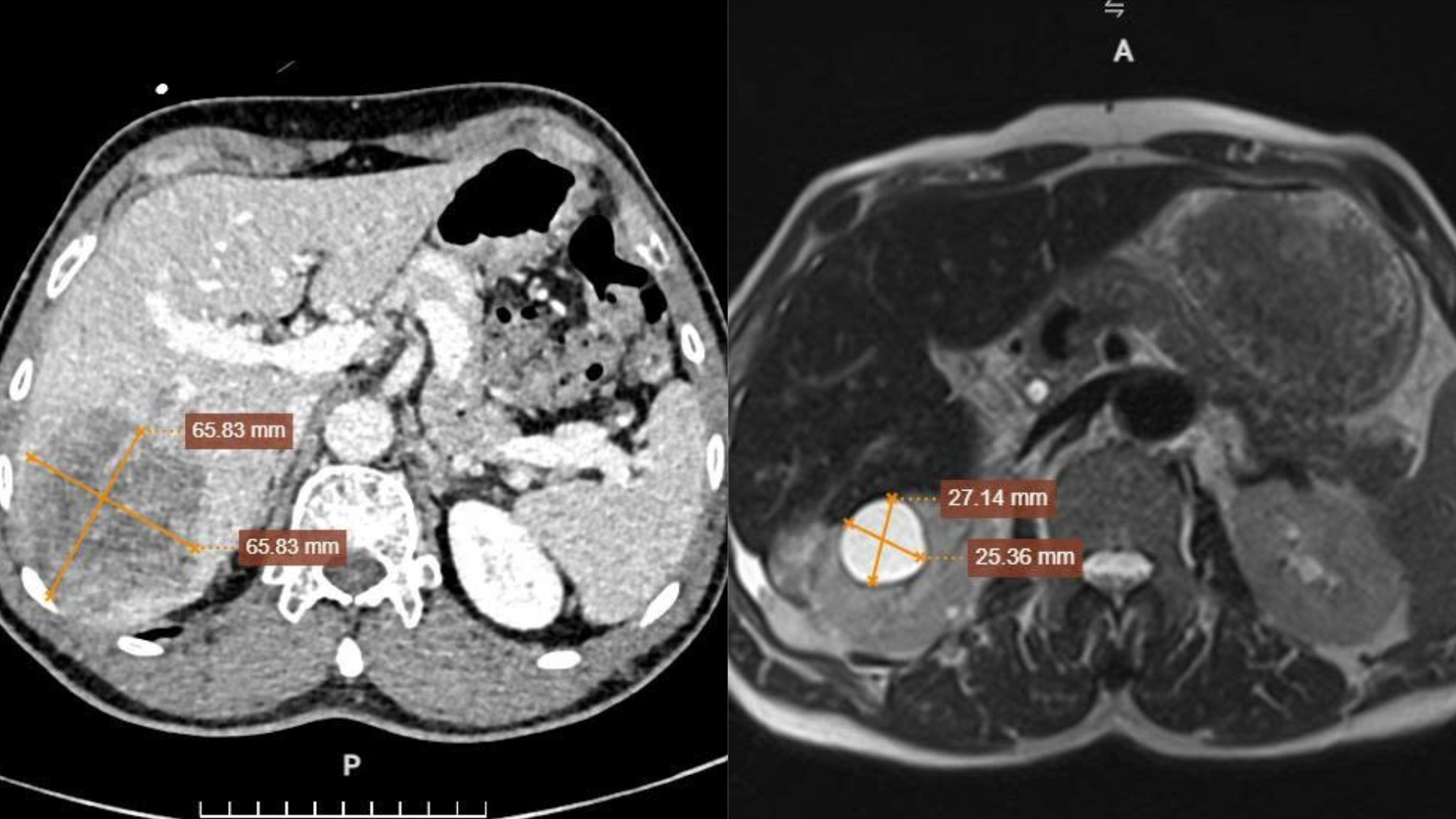 |
Mr. Tung's largest liver tumor decreased in size after 6 treatment cycles. *Photo: Tam Anh General Hospital*. |
Salivary gland cancer is classified under head and neck cancers. The disease can originate from the parotid, submandibular, sublingual glands, or minor salivary glands in the oral cavity. The parotid gland is the most common site of origin.
Doctor Trung explained that early-stage salivary gland cancer often progresses silently, easily mistaken for benign conditions. Initial symptoms may include a small, painless swelling in front of the ear, at the angle of the jaw, or inside the mouth, leading many people to be complacent. As the disease progresses, it can cause pain, facial numbness, facial muscle weakness or paralysis, difficulty swallowing, or swollen neck lymph nodes. In late stages, the disease can metastasize to distant sites such as the lungs, bones, or liver.
Treatment for salivary gland cancer depends on the disease stage and the biological characteristics of the tumor. Surgery is the primary treatment method for localized stages. When the disease is locally advanced beyond the salivary gland's limits (regional lymph node metastasis, tumor breaking through the gland capsule and invading surrounding tissues), adjuvant radiation therapy is combined to reduce the risk of recurrence. In cases of advanced or metastatic disease, doctors may combine chemotherapy, targeted therapy, or immunotherapy.
Hieu Nguyen
| Readers can ask questions about cancer here for doctors to answer |