During weekdays, we strive for healthy living: preparing lunches, taking evening walks, and always carrying water bottles. However, by Friday, these good habits often loosen. While weekends are a welcome opportunity to relax, carefree indulgences such as sleeping in, increased alcohol intake, and reduced physical activity can silently elevate blood pressure.
Hypertension increases the risk of heart disease and stroke, placing long-term strain on the cardiovascular system and arteries.
It is important to recognize how weekend choices contribute to this risk. Often, it is not a single behavior but a combination of habits that makes a difference. Nutritionist Mascha Davis notes, "Weekend habits often go hand-in-hand. For example, late sleeping, heavier eating, increased alcohol consumption, reduced physical activity, and high sodium intake frequently occur simultaneously." Ms. Davis explains that while each choice may seem minor, their combination can temporarily raise blood pressure and, in the long term, contribute to elevated baseline blood pressure levels.
 |
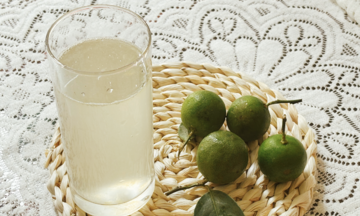
Alcohol consumption often increases on weekends. Photo: Nguyen Huyen |
Below are four common weekend habits that can raise blood pressure, along with simple ways to maintain healthy levels.
Consuming high-sodium foods
Weekends often involve dining out, ordering takeout, or consuming processed foods high in salt. Excess sodium causes the body to retain water, increasing blood volume, which puts pressure on the heart and blood vessels, leading to temporary or long-term high blood pressure.
Therefore, it is advisable to read food labels and prioritize home cooking to control salt intake.
Excessive alcohol consumption
Alcohol consumption often increases on weekends. Excessive drinking constricts blood vessels, forcing the heart to work harder. Expert Amanda Godman Roll states that alcohol also affects hormones regulating heart rate and blood pressure.
It is recommended to stay within guidelines: one drink per day for women and two drinks per day for men.
Late nights and excessive oversleeping
Staying up late on Friday and Saturday, then oversleeping the next morning, disrupts the circadian rhythm. Expert Michelle Routhenstein explains that this change activates stress hormones like cortisol and norepinephrine, making blood vessels less able to dilate, which raises blood pressure. Aim to sleep and wake within about one hour of your usual weekday schedule.
Forgetting to drink enough water
Weekends often involve busy activities, making it easy to overlook water intake. Dehydration reduces blood volume, activating salt retention and vasoconstriction mechanisms, leading to increased blood pressure, according to Ms. Routhenstein. Therefore, always carry a water bottle to replenish fluids as needed.
Additionally, to maintain stable blood pressure on weekends, consider brisk walking, cycling, or gardening to strengthen the heart; meditate or take a few minutes for deep breathing to reduce stress. Also, follow the DASH diet, prioritizing vegetables, fruits, whole grains, and low-fat dairy – a dietary approach proven effective in lowering blood pressure.
My Y (According to Eating Well)