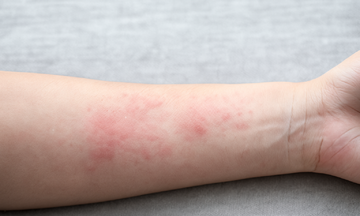
Doctor Le Thi Minh Nguyet, Medical Manager at VNVC Immunization System, states that many individuals carry bacteria asymptomatically but still spread pathogens. She advises attention to preventing five groups of disease-causing agents commonly found in the throat:
Pneumococcal bacteria
Pneumococcus (Streptococcus pneumoniae) has over 100 serotypes, prevalent in the community, with 5-90% of healthy people carrying the bacteria in their nasopharynx. Pneumococcus causes various diseases, from otitis media and sinusitis to pneumonia, meningitis, and sepsis.
The World Health Organization (WHO) estimates that pneumococcus causes approximately 1,6 million deaths annually, with over 90% occurring in developing countries. The mortality rate for sepsis can reach 20%, and for meningitis, up to 50%. In Vietnam, according to Doctor Nguyet, pneumococcus is a leading cause of community-acquired pneumonia, resistant to many antibiotics, making treatment difficult and costs potentially reaching hundreds of millions of VND.
Meningococcus
Meningococcus (Neisseria meningitidis) causes two common forms of disease: meningitis and sepsis, which can be fatal within 24 h. The mortality rate reaches 50% if not treated promptly. Even with intensive treatment, 8-15% of patients still die, and 10-20% of survivors suffer severe sequelae. In the community, 5-25% of individuals carry the bacteria in their nasopharynx without symptoms, serving as a difficult-to-control source of transmission. High-risk groups include children, adolescents, the elderly, and individuals with underlying conditions or compromised immune systems.
 |
Meningococcal bacteria. Photo: britannica |
Diphtheria
Diphtheria, caused by Corynebacterium diphtheriae bacteria, spreads through nasopharyngeal secretions or contact with contaminated surfaces, and can survive in the environment for up to six months. The disease is characterized by a pseudomembrane in the throat that obstructs the airway. Bacterial toxins also damage the heart, nerves, liver, and kidneys.
According to WHO, unvaccinated individuals who contract diphtheria face a mortality rate of about 30% if not treated promptly. In epidemic areas, 3-5% of healthy individuals can carry the bacteria in their throat, becoming a source of infection in the community.
Group A streptococcus
Group A streptococcus (Streptococcus pyogenes) commonly resides on the skin and in the throat, spreading through the respiratory tract or surface contact. The bacteria can cause non-invasive diseases such as pharyngitis, scarlet fever, skin infections, otitis media, and pneumonia. It can also cause invasive diseases like arthritis, glomerulonephritis, and sepsis.
Doctor Nguyet notes that the disease commonly occurs during winter-spring and is prevalent in children. Typical symptoms include fever and pharyngitis, or sometimes no clear symptoms, yet it still has the potential to spread in the community.
Staphylococcus aureus
Approximately 30% of people carry Staphylococcus aureus bacteria in their nose and 20% on their skin. The bacteria spread through direct contact, inhalation of nasopharyngeal secretions, or touching contaminated surfaces. Most cases are harmless, sometimes causing boils or skin infections, but require attention in healthcare settings. Vietnam has recorded many cases, with a recent incident involving a 14-year-old boy in Son La who contracted Staphylococcus aureus after a pig bite, leading to osteomyelitis and respiratory complications.
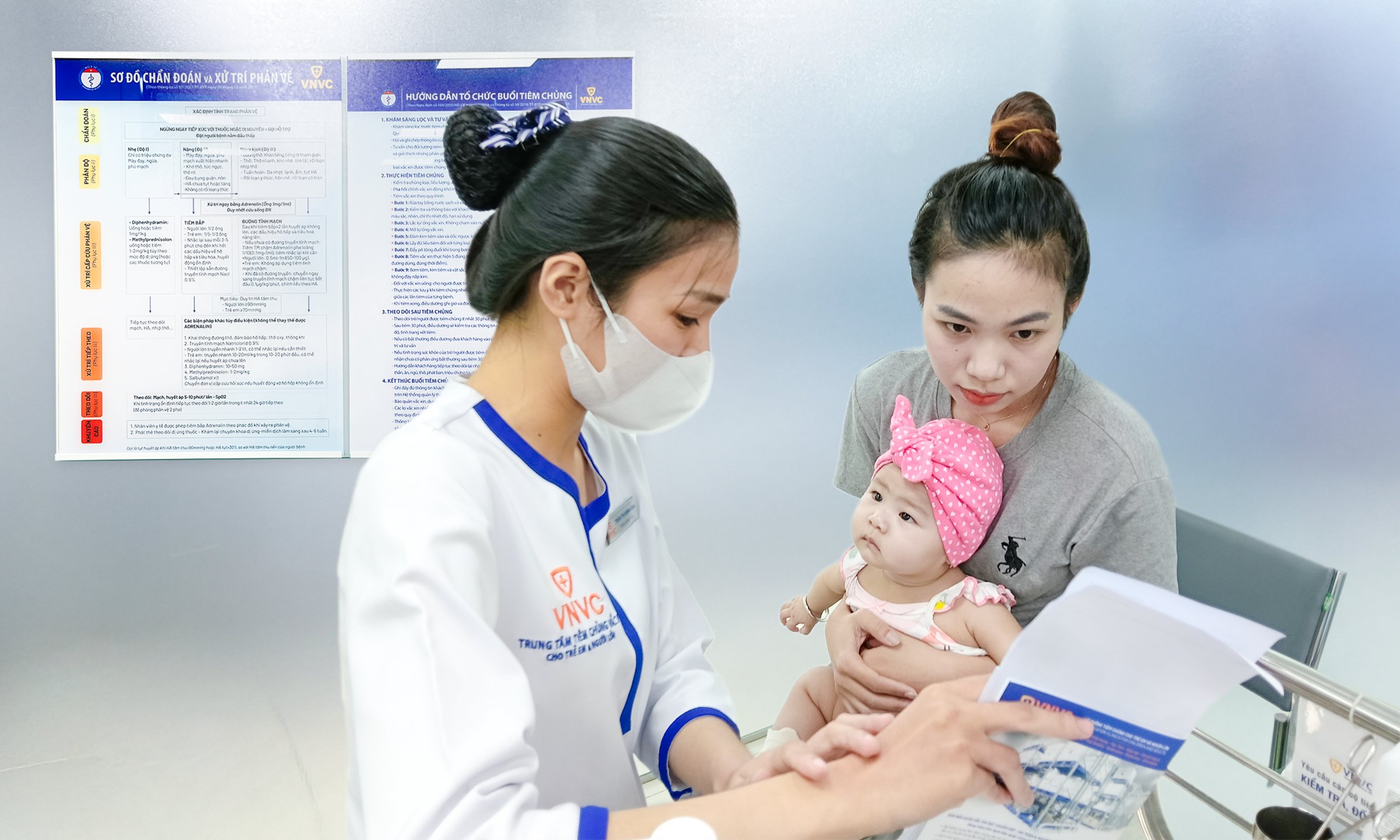 |
Parents take their children to receive the 6-in-1 vaccine at VNVC Immunization System. Photo: Hoang Duong |
Prevention methods
To prevent illness, Doctor Nguyet advises everyone to maintain personal hygiene, wash hands frequently, practice oral hygiene, and gargle with an antiseptic solution. Currently, Vietnam has vaccines available for three of these pathogens: pneumococcus, meningococcus, and diphtheria. Pneumococcal vaccines include five types: pneumococcal 10, pneumococcal 13, pneumococcal 15, pneumococcal 20, and pneumococcal 23, with vaccination schedules varying by age. Meningococcal vaccines are available for group B; groups B and C; and the quadrivalent A, C, Y, W-135. Individuals need to be vaccinated against all five groups for optimal protection. Diphtheria vaccines come in various combination forms such as 6-in-1, 5-in-1, 4-in-1, 3-in-1, and 2-in-1, with schedules depending on individual needs and vaccination history.
Hoang An