Frequent urination throughout the day, even without high water intake, is a common symptom. Many individuals mistakenly associate this condition with chronic kidney failure, leading to self-treatment with unverified remedies or delayed medical consultation. This often results in missing the actual cause, allowing the condition to progress silently.
According to Dr. Tang Chi Quyen, from the Urology - Nephrology - Andrology Unit at An Binh Hospital, the common causes of frequent urination are primarily related to the bladder or lower urinary tract, rather than the kidneys.
Among these, overactive bladder is a prevalent cause. This condition leads to excessive bladder contractions, causing sudden urges to urinate, difficulty holding urine, and frequent urination both day and night, even with small volumes of urine each time. As it is not clearly linked to infection or stones, the condition is often overlooked.
Additionally, in men, especially after the age of 40, benign prostatic hyperplasia is common. An enlarged prostate compresses the urethra, obstructing urine flow and forcing the bladder to contract more frequently. Patients consequently experience frequent urination, nocturia, a weak urine stream, and a feeling of incomplete bladder emptying.
Furthermore, urinary tract infection is another common cause. Initially, patients may only experience painful urination, urgency, or lower abdominal discomfort. If left untreated, bacteria can spread to the kidneys, causing acute pyelonephritis and affecting kidney function. In older adults or those with underlying conditions like diabetes or hypertension, prolonged infection also carries the risk of leading to sepsis—a life-threatening emergency if not managed promptly.
 |
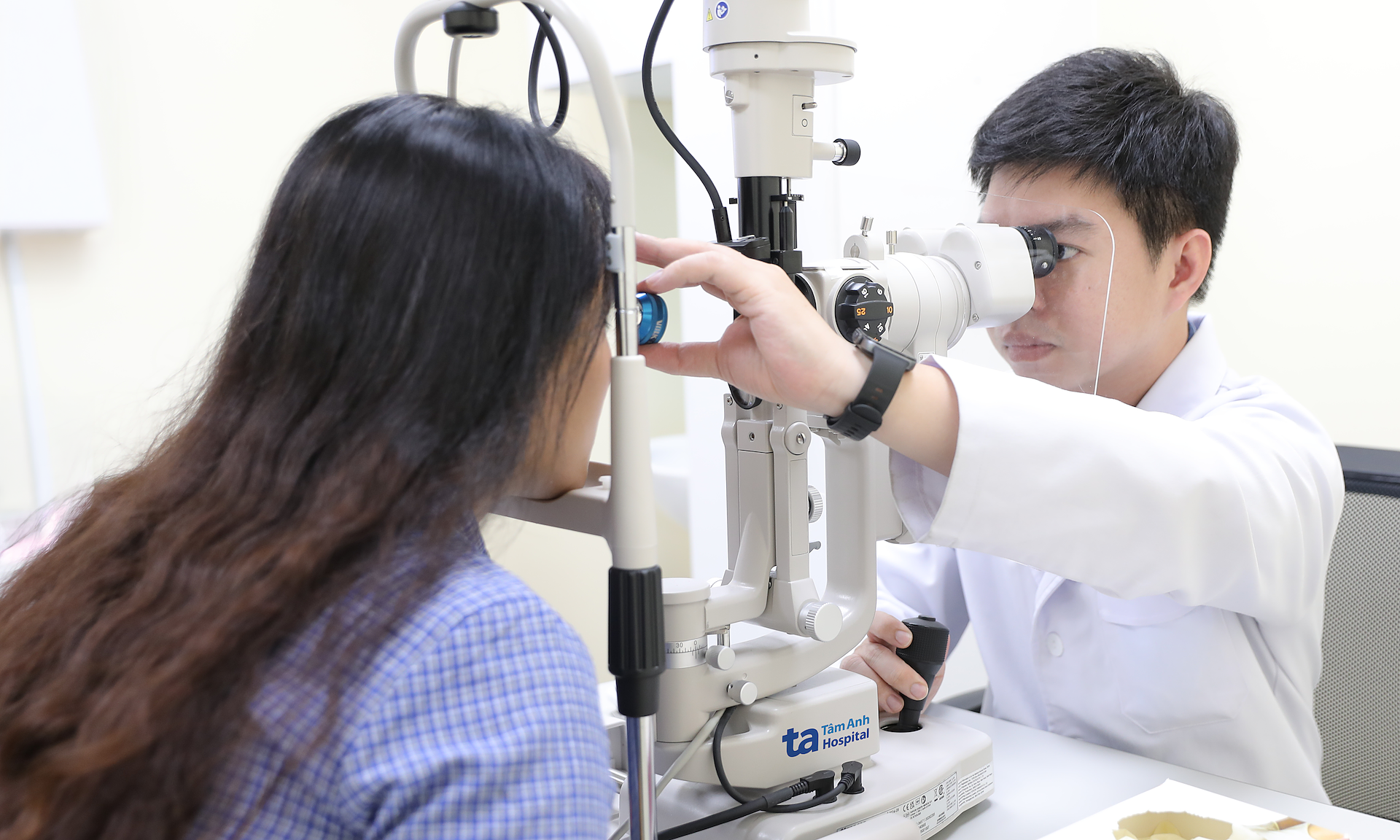
A doctor examines a patient and prepares their medical record. Hospital provided. |
A doctor examines a patient and prepares their medical record. Hospital provided.
Dr. Quyen advises that if frequent urination persists, especially when accompanied by painful urination, nocturia, incomplete bladder emptying, or fatigue, patients should seek early medical attention. Tests such as urinalysis, blood glucose, and urinary system ultrasound help identify the cause and guide treatment.
Not all cases of frequent urination are dangerous, but a correct diagnosis of the underlying cause is crucial. Early detection and timely treatment improve symptoms, prevent complications, and preserve kidney function.
Le Phuong