The emergency team immediately transported Tieu My to the hospital. Her heart rate had plummeted to 45 beats per minute, significantly lower than the normal range of 60-100 beats. Blood tests revealed a potassium concentration of 6,8 mmol/L, far exceeding the safe threshold of 3,5-5,0 mmol/L. Doctors diagnosed her with severe arrhythmia due to acute potassium poisoning and successfully resuscitated her after one hour of intensive care.
Three months prior to the incident, Tieu My, who is 1,62 m tall and weighed 68 kg, had a moderate kidney injury. Hearing a weight loss tip from colleagues, she began drinking about 1,000 ml of coconut water daily instead of plain water. After three days, she lost 1,1 kg and noticed reduced facial swelling. However, she then experienced sudden lip numbness, chest tightness, and ultimately fainted.
 |
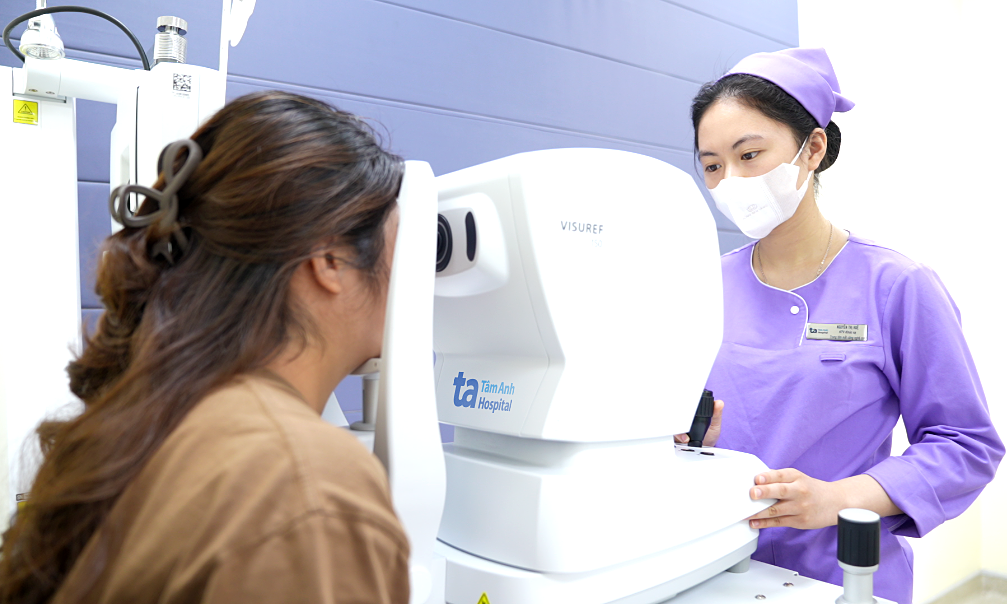
Illustration photo: Prakash Hospital
Medical experts explain that every 100 grams of coconut water contains up to 200 mg of potassium. When consumed rapidly, this mineral overwhelms the filtering capacity of already damaged kidneys. The surge in electrolyte levels in the blood can manifest as tingling in the fingers and toes, muscle weakness, difficulty speaking, and heart palpitations. In severe cases, it can directly paralyze heart contractions, leading to sudden death. Four high-risk groups should absolutely avoid this habit: individuals with kidney failure, cardiovascular disease, diabetes, and low blood pressure.
The Hong Kong Health Department advises adults to consume a maximum of 3,500 mg of potassium daily from their entire diet. Individuals drinking coconut water should avoid simultaneously eating other potassium-rich foods, such as: bananas, oranges, grapes, prunes, spinach, or broccoli.
Doctor Ly Thu Phan, Head of the Nephrology Department at Hangzhou Hospital of Traditional Chinese Medicine, emphasized that overweight patients with kidney disease need to manage their weight scientifically rather than relying on anecdotal tips. Patients should aim to reduce 300-500 calories daily, maintaining a weight loss rate of 0,5 to 1 kg per week. This patient group should prioritize low-potassium fruits like: apples, pears, and cucumbers. They must also reduce salt intake to under 3-5 grams daily and supplement with lean protein from eggs and milk as prescribed. Additionally, patients need to maintain 150 minutes of moderate exercise per week, such as walking or light jogging, drink warm water, and undergo monthly blood filtration tests to ensure their safety.
Binh Minh (According to ST Headline)