A report by the Ho Chi Minh City Steering Committee for AIDS, Drug, and Prostitution Prevention and Control recorded 3,197 new HIV infections in the first nine months of 2025, showing a clear trend of younger individuals being affected. Specifically, the 42% rate in the 15-29 age group in Ho Chi Minh City is higher than the national average of 37,7% (2024 data). Following this group are those aged 30-39 (30%) and over 40 years old (28%). Males constitute the majority of newly detected cases, at 87%.
Most new infections (81%) are transmitted through unsafe sexual contact, replacing drug injection as the primary transmission route. Among high-risk behavior groups, which account for 90% of total new cases, men who have sex with men (MSM) represent the largest proportion at 54%.
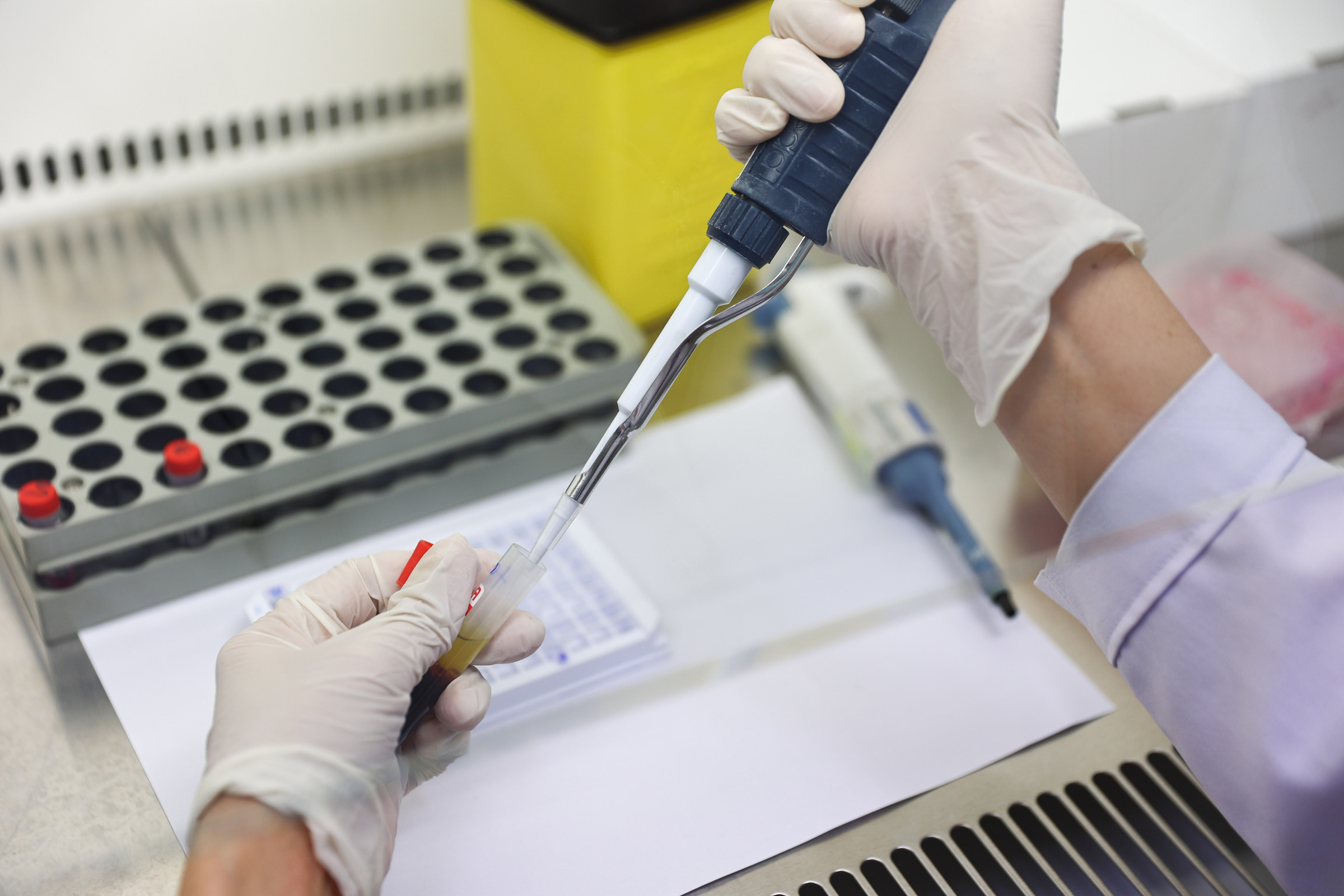 |
Testing at Pasteur Institute Ho Chi Minh City. *Photo: Quynh Tran* |
Health sector leaders recognize that the rise in infections among young people poses a significant challenge for disease control efforts. Community outreach staff remain sparse, while high-risk groups are increasingly dispersed and less visible in traditional gathering spots.
Additionally, the increasing trend of synthetic drug use complicates the maintenance of Methadone treatment. Health insurance and payment procedure issues also mean some patients have not received full viral load testing.
In 2026, Ho Chi Minh City plans to enhance outreach to high-risk groups through digital platforms and social media. The health sector will implement flexible models such as mobile pre-exposure prophylaxis (PrEP) distribution, tele-PrEP consultations, and providing self-testing kits. The goal is to improve service quality and enhance access to treatment for sustainable disease control.
The city continues to expand harm reduction measures and treatment, ensuring most patients receive early medication and achieve good viral load control. The PrEP program is being widely implemented at health facilities, alongside effective prevention of mother-to-child transmission.
Since the first infection in 1990, Ho Chi Minh City is currently managing and treating over 64,000 people living with HIV. While there is currently no complete cure for HIV, antiretroviral (ARV) therapy has proven highly effective. ARV drugs help suppress viral replication, allowing infected individuals to maintain health and a lifespan comparable to uninfected people. With these advancements, HIV is no longer a "death sentence" but has transitioned into a controllable chronic illness. When treatment is adhered to and viral load is below detectable levels, patients no longer pose a risk of transmission to their partners. However, the disease remains a major threat if infected individuals are diagnosed late or abandon treatment, leading to immune deficiency and death.
Le Phuong