


 |
Elevated uric acid levels occur when the kidneys do not effectively remove this waste product. This leads to crystal deposits in joints and kidneys, which can cause conditions like gout or kidney stones. Incorporating certain nuts into your diet can help manage high uric acid levels.
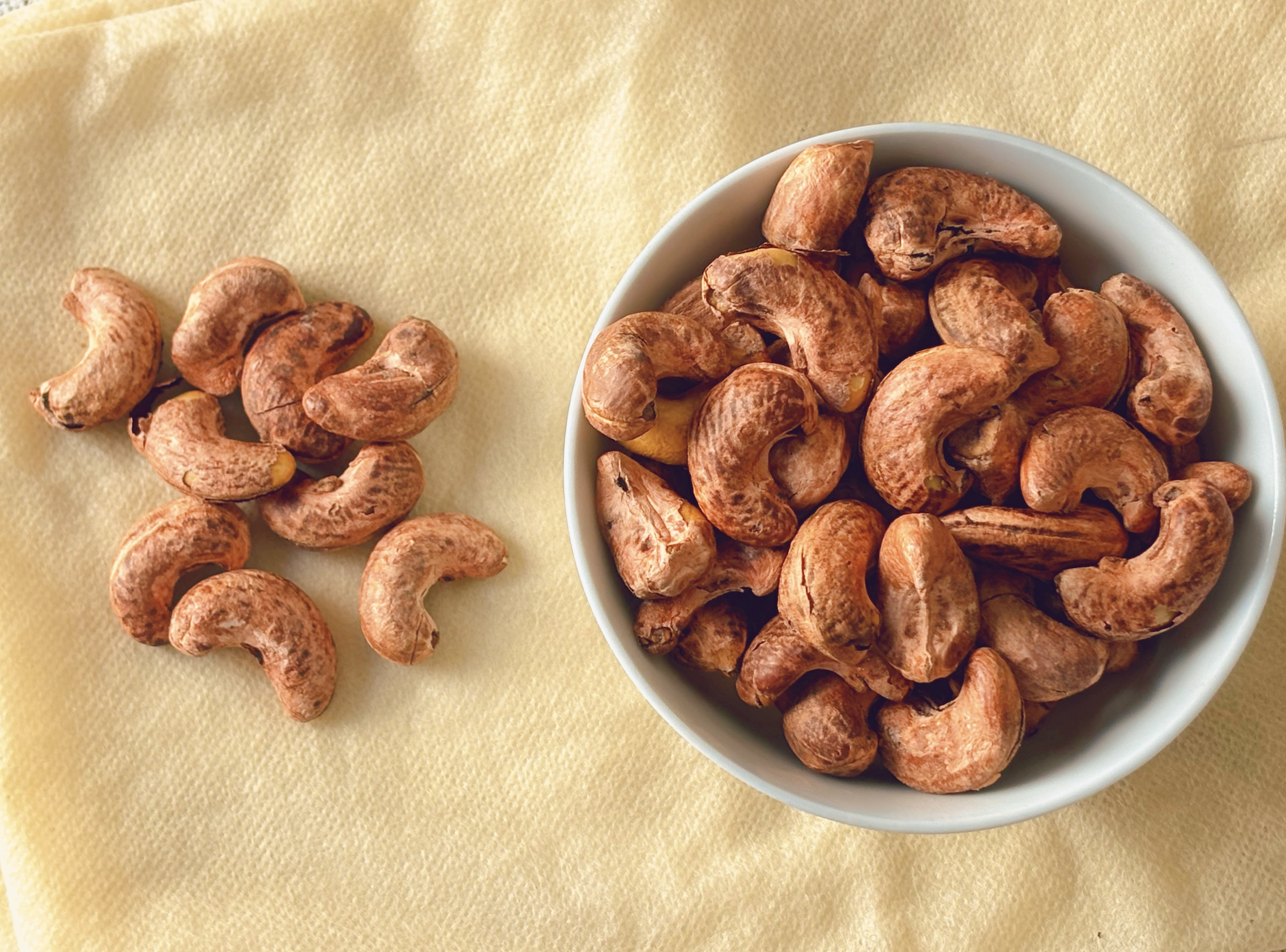
Cashews are highly nutritious and low in purines, making them a suitable choice for individuals managing gout. They contribute to lowering low-density lipoprotein (LDL) cholesterol and raising high-density lipoprotein (HDL) cholesterol. Additionally, cashews provide essential vitamins and minerals crucial for maintaining overall bodily functions.
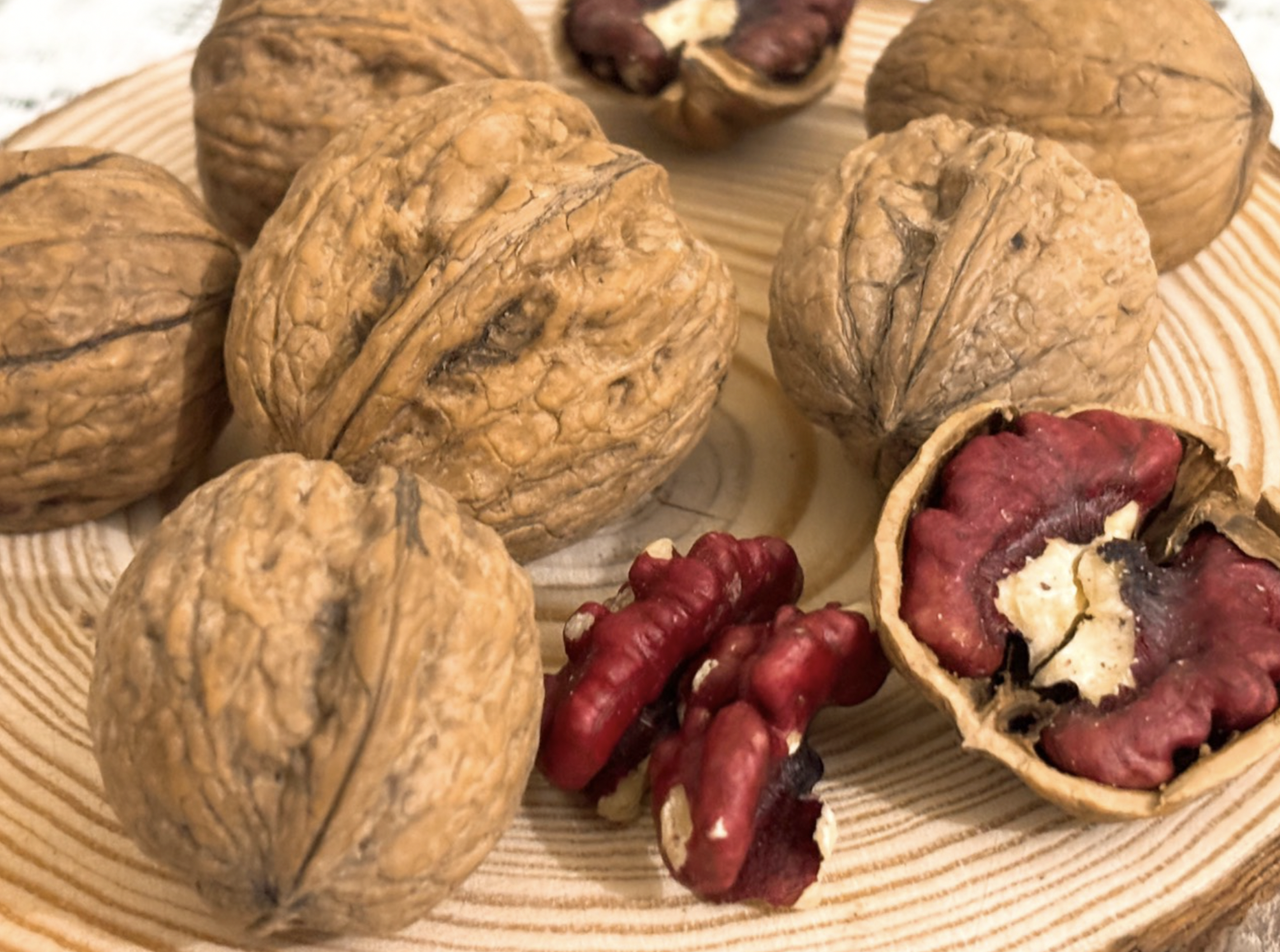 |
Walnuts are particularly beneficial for people with high uric acid. They are low in purines and rich in anti-inflammatory omega-3s, which help reduce inflammation and support kidney function in eliminating uric acid. Walnuts also make a healthy snack for gout patients when consumed in moderation, such as around a handful daily.
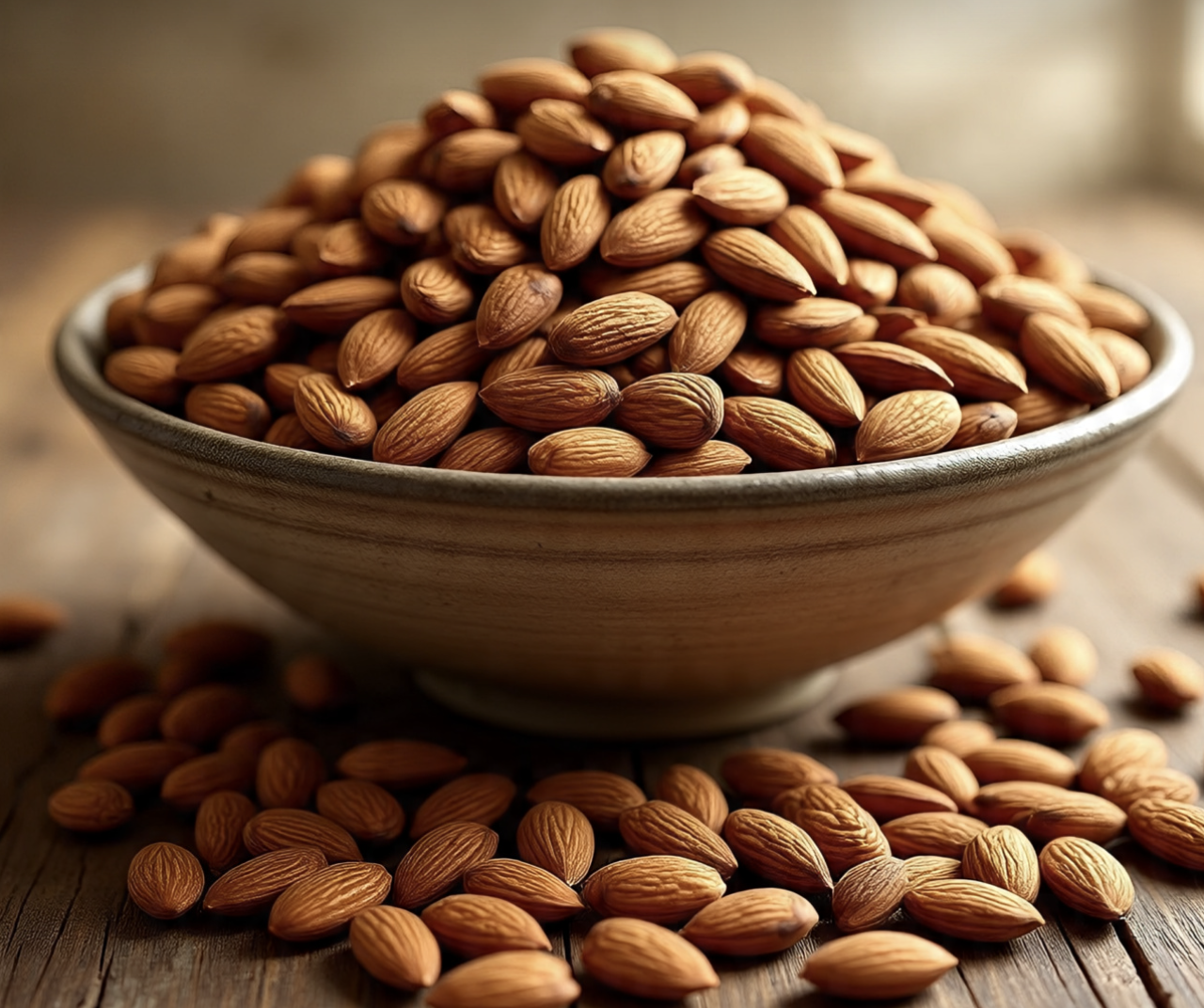 |
Almonds can help reduce uric acid levels due to their low purine content and abundance of vitamin E, magnesium, and manganese. These nuts are also rich in antioxidants, which combat free radicals. As almonds are calorie-dense, portion control – about 30 g daily – is essential to prevent weight gain, which can negatively affect uric acid concentrations.
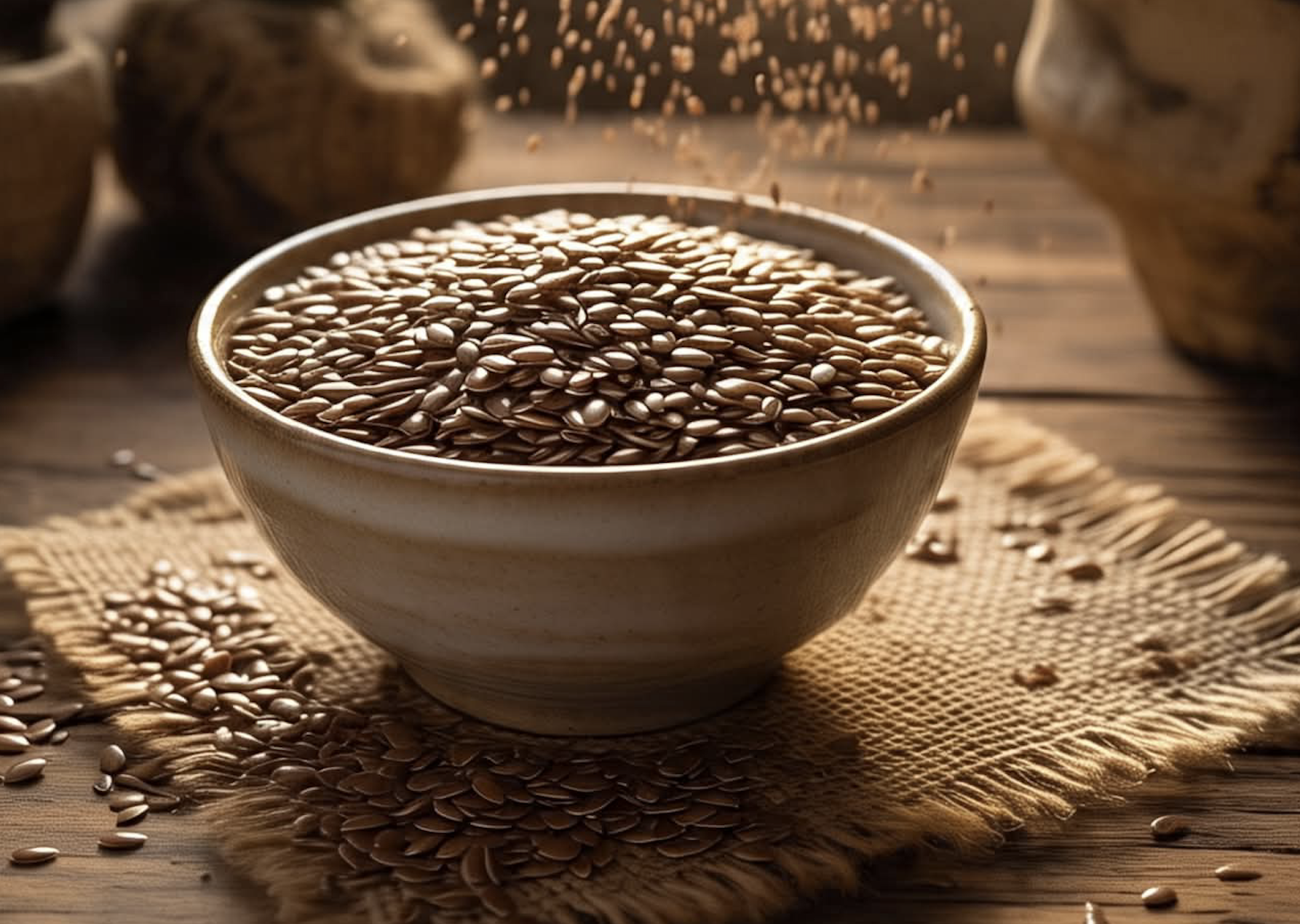 |
Flaxseeds are packed with essential fatty acids that the body cannot produce. Flaxseed oil has anti-inflammatory effects, helping to alleviate pain caused by high uric acid levels. These seeds also reduce the risk of inflammation and improve kidney health, thereby supporting more efficient uric acid removal. Adding ground flaxseeds to daily smoothies or cereals can provide long-term benefits for individuals with gout.
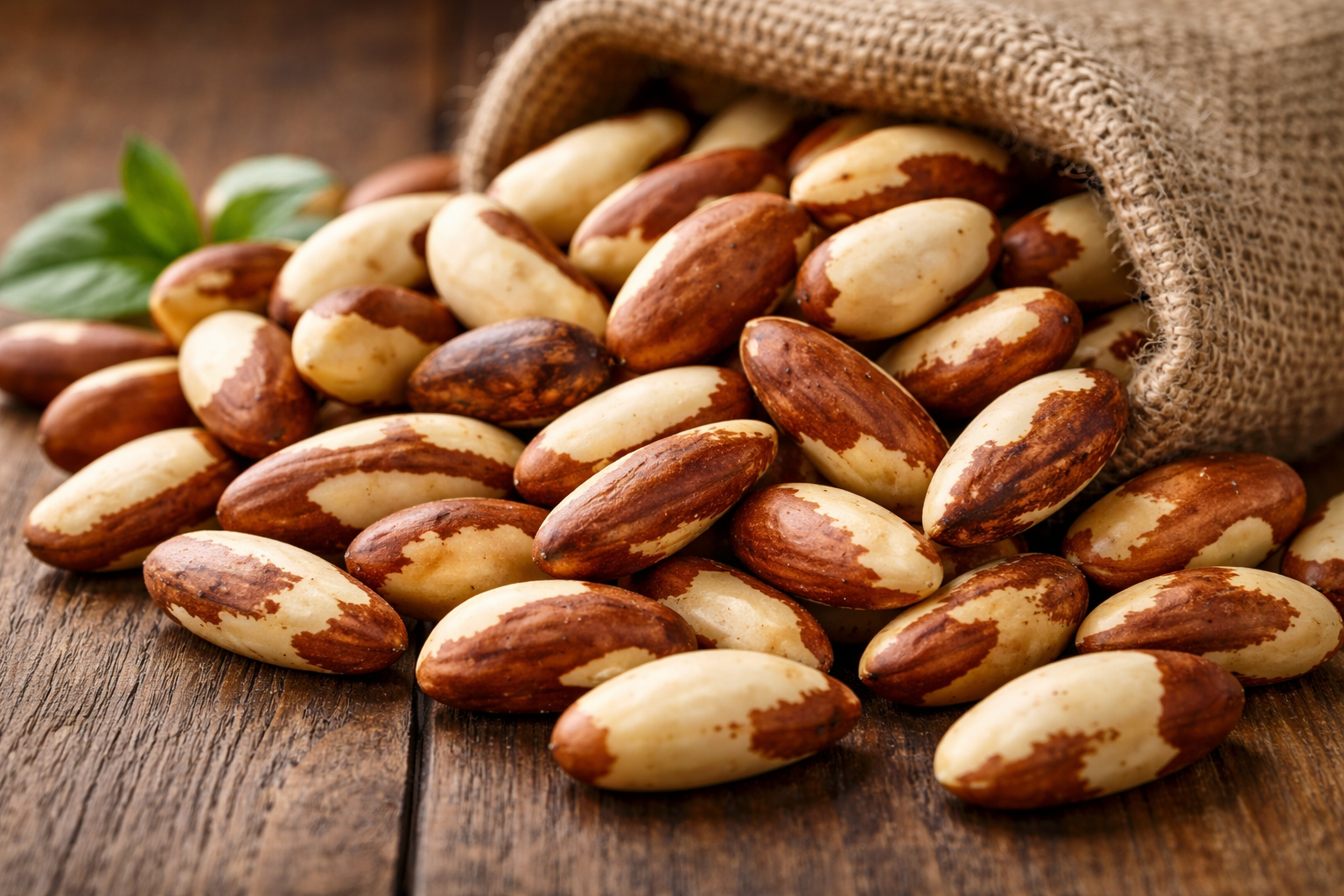 |
Brazil nuts are high in fiber and low in purines, aiding in managing uric acid concentrations and reducing gout pain. Their low purine content, high selenium levels (which help detoxify the kidneys), and rich fiber content make them beneficial for controlling hyperuricemia and gout. However, Brazil nuts do contain oxalates, so individuals prone to kidney stones should consume them cautiously.
Bao Bao (According to Health Shots)
Photos: Bao Bao, AI


