Dr. Hung Yung-hsiang, a nephrologist at Tri-Service General Hospital, Taiwan, shared this case on 4/1 as a food safety warning. The patient was admitted to the emergency room after collapsing during his morning run. Tests revealed his estimated glomerular filtration rate (eGFR) had plummeted below 10, indicating severe kidney dysfunction, despite no history of diabetes, high blood pressure, or gout.
Upon reviewing his medical history, the doctor discovered the patient's habit of buying coffee beans in bulk during sales to save money. He stored these bags of beans in his kitchen cabinet for extended periods, even continuing to grind and drink them after they had discolored and showed signs of mold. The patient mistakenly believed that brewing with 100 degrees Celsius boiling water would destroy all harmful bacteria and mold.
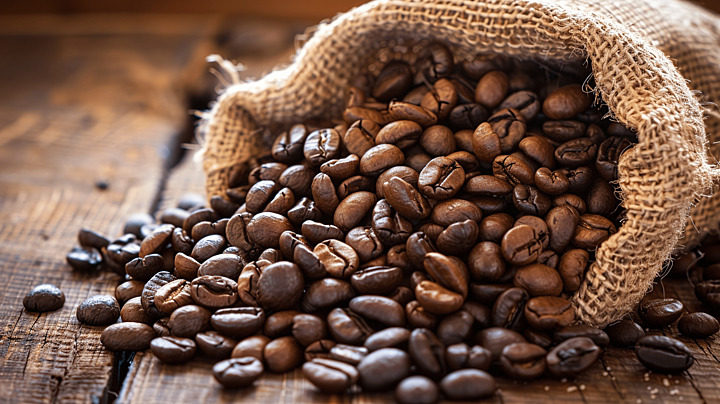 |
Illustrative photo: PNG Tree |
However, Dr. Hung stated that boiling water is entirely ineffective against ochratoxin. This mold toxin has a stable structure and only breaks down when temperatures exceed 280 degrees Celsius. Long-term consumption of mold-contaminated coffee led to a significant accumulation of toxins in the patient's body, silently damaging his kidney function without his knowledge. Before collapsing, his body had shown warning signs, such as foamy urine that was slow to dissipate and swollen ankles, but he dismissed them as consequences of over-exercising.
The nephrologist likened ochratoxin to a "time bomb" for health. Unlike acute gastrointestinal toxins that are usually expelled within days, ochratoxin persists in the body with a half-life of 35-50 days. It directly attacks the kidneys through three mechanisms: activating inflammatory responses that cause cell necrosis, paralyzing the metabolic processes of renal tubules, and inducing chronic renal tissue fibrosis.
Dr. Hung compared ingesting ochratoxin to pouring cement into a water filter, causing the glomerular filtration membranes to clog and sustain irreversible damage. He advised the public to never consume food showing signs of mold, especially in hot and humid environments (above 25 degrees Celsius and over 18,5% humidity), which are ideal conditions for mold growth.
"Regretting spoiled food doesn't save money; it sacrifices your health for the rest of your life," the doctor said.
Binh Minh (According to ET Today)