After barbecues or family meals, many people habitually store leftover food in the refrigerator to reheat and consume the next day. However, the pervasive fear that "overnight food causes cancer" often makes many hesitant.
Doctor Zhang Canxuan, a gastroenterologist from Taiwan, China, states that current medical science has not found sufficient evidence to suggest that properly stored food increases cancer risk simply by being kept overnight. The real danger to be aware of is bacterial proliferation, which can lead to food poisoning. The key factors determining food quality are the time from cooking to cooling, and the storage temperature throughout the preservation process.
A common mistake is leaving food at room temperature for many hours to cool completely before refrigerating it. When the environment remains at room temperature, especially above 32°C, bacteria can multiply rapidly in just one hour. Leaving food out for 3 to 4 hours before cooling can turn it into a direct threat to the digestive system. Therefore, leftover food should be divided into smaller portions, allowed to cool slightly, and then placed in the refrigerator within one to two hours.
Many also mistakenly believe that food is safe if it doesn't smell spoiled, or that reheating it in a microwave will completely eliminate all bacteria. In reality, many harmful bacteria do not alter the taste or external texture of food.
Reheating is not a "time machine" that can restore food that has deteriorated from being exposed to room temperature for too long. Even when properly refrigerated, leftovers should only be consumed within 3 to 4 days, avoiding indefinite storage.
 |
Leftover food should be divided into smaller portions, allowed to cool slightly, and then placed in the refrigerator within one to two hours. *Illustration by AI* |
For those who prepare lunch boxes the night before, this practice is completely safe if a closed cold chain is maintained: portioning food immediately after cooking, refrigerating it, transporting it in an insulated bag with specialized gel packs, and continuing to store it in a company refrigerator before thoroughly reheating it for lunch.
Similarly, pre-packaged microwave meals from convenience stores are not considered hazardous leftovers, as they are produced under strict temperature control processes and have clear expiration dates. Consumers only need to pay attention to the expiry date and reheat according to instructions.
While overnight food is not a concern for healthy individuals if stored correctly, patients with chronic kidney disease need to exercise particular caution.
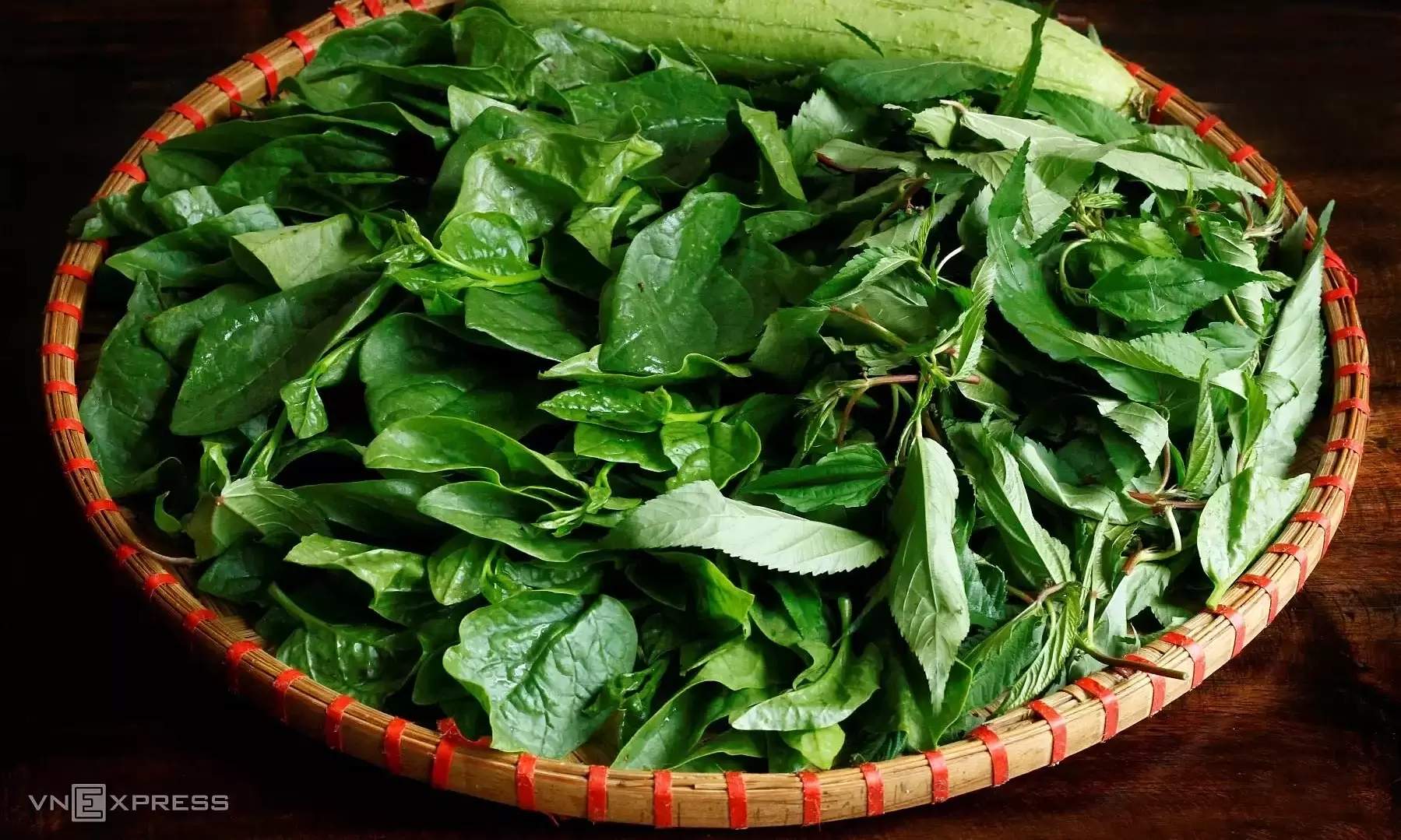
The doctor advises kidney patients to avoid: seafood, as its protein can easily degrade and create a metabolic burden; green leafy vegetables, due to the risk of nitrate metabolism and potassium accumulation; runny eggs or undercooked egg dishes, which may harbor Salmonella bacteria; uncooked salads, such as goi and nom (Vietnamese salads); and soy products like tofu and soy milk, which can easily ferment and produce mycotoxins. For this group, even minor changes in nutrients and bacteria can place severe stress on kidney filtration function.
My Y (According to HK01)