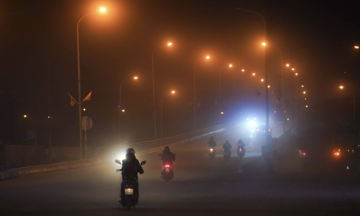
Doctor Do Duc Thuan, head of the Stroke Department at Quan Y 103 Hospital, stated that the harsh cold and freezing temperatures in the northern region are dangerous to health. Specifically, a sudden change in body temperature when exposed to a cold environment can cause vasoconstriction, increased blood pressure, stroke, and even death. The doctor highlighted several habits that can trigger a stroke in cold weather:
Improper bathing
Doctor Doan Du Manh, a vascular and stroke specialist and deputy director of Phuong Dong General Hospital, explained that when the body is in a cold environment and suddenly exposed to high temperatures, it can lead to heat shock and vasodilation. Bathing too hot or too cold at night poses a risk of heat shock, particularly with erratic weather changes.
Avoid bathing at night, especially after 10 pm, particularly for young children and individuals with risk factors. During this time, cold air can easily penetrate the body, causing colds, or more severely, stroke and sudden death.
To limit sudden changes in body temperature, gradually expose parts of the body to water, typically starting with the feet, then hands, head, and torso (back and abdomen), before fully immersing the entire body.
Maintain a small temperature difference between the bathroom and outside to prevent heat shock. When entering the bathroom, you can run hot water to warm the room or use a heater before undressing to ensure safety.
Drinking alcohol to increase body temperature
When consuming alcohol, the ethanol (or ethyl alcohol) acts as a peripheral vasodilator, increasing blood flow to the skin and muscles. This creates a sensation of warmth but does not raise core body temperature. Alcohol stimulates the nervous system, causing a feeling of euphoria that can make people forget the cold. However, this effect is temporary and does not increase body temperature.
As alcohol causes peripheral blood vessels to dilate, the body loses heat. Suddenly exposing oneself to cold weather can cause these vessels to rapidly constrict, leading to a spike in blood pressure and increasing the risk of stroke.
Exercising too early
Leaving home early in the morning during cold weather can cause heat shock, leading to sudden vasoconstriction and increased blood pressure. Early morning is also when the body is at rest and blood is thicker. If blood pressure rises due to cold air exposure at this time, it increases the risk of brain hemorrhage or thrombotic embolism.
Therefore, individuals, even healthy ones, should not leave bed to exercise before 6 am. Those with underlying health conditions and older adults should only exercise when the sun is out, as the air is warmer then. Exercise moderately and avoid intense workouts in extremely hot or cold weather.
Stroke is dangerous due to its acute, sudden onset and severe long-term consequences. Patients with severe strokes may die within the first hour or day. Survivors can experience paralysis, requiring assistance with daily activities, and suffering physical and mental damage.
In cold weather, people should limit outdoor activities from 9 pm to 6 am. When going outside, wear warm clothing that blocks drafts, such as thick coats and trousers, scarves, hats, gloves, socks, and masks. Always keep the body dry, avoiding dampness, especially around the neck, hands, and feet when outdoors and sleeping, to prevent cold-related illnesses. Eat nutritious meals to ensure energy and exercise properly to boost resistance.
Thuy An