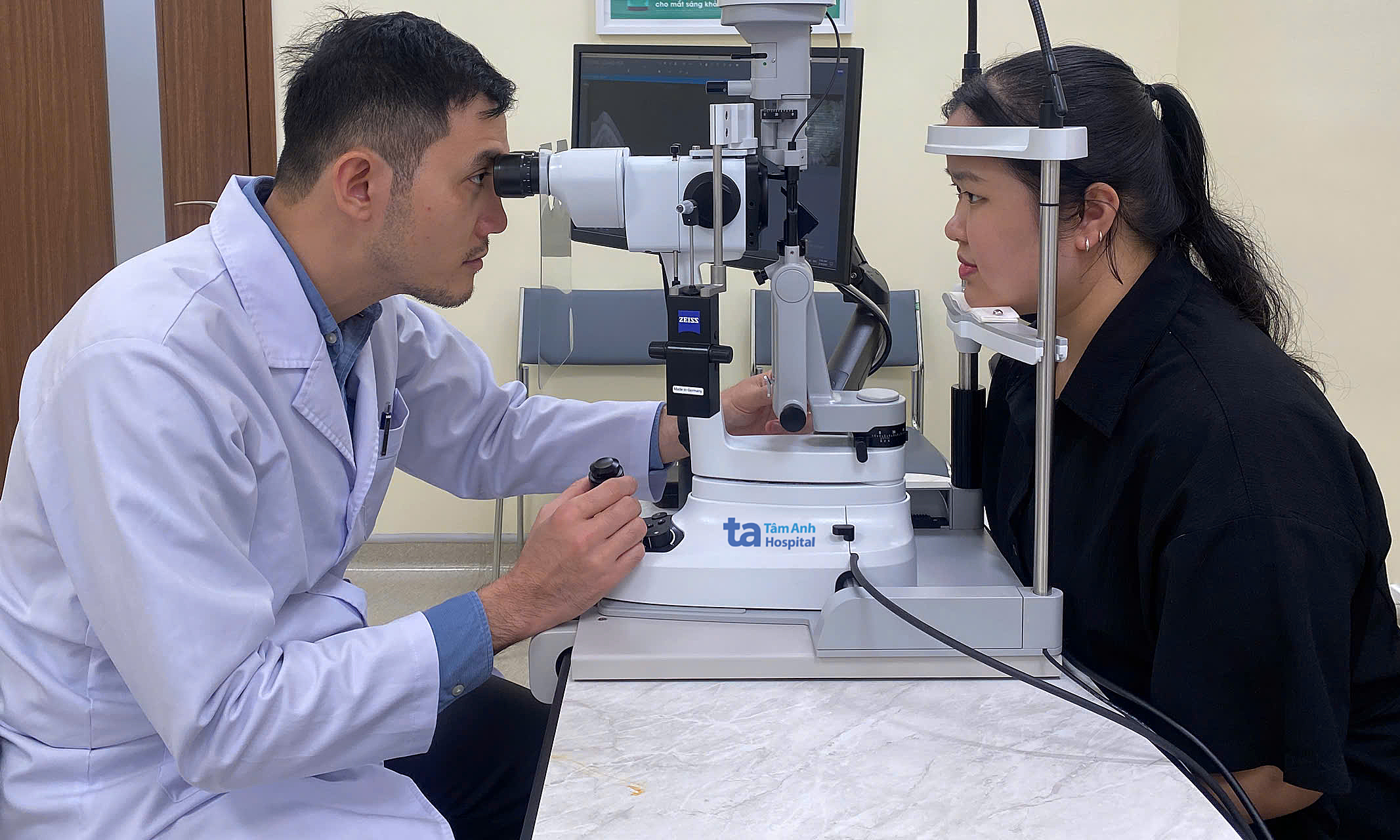
Khanh, 45, residing in Chanh Hung ward, Ho Chi Minh City, was bitten on the hand by his cat while playing. The wound bled slightly, and since the cat usually stayed indoors, he believed the risk was low, even though the pet had not been vaccinated against rabies.
Instead of immediately going to a medical facility, he tied the cat inside his house to observe it. He planned that if the animal remained healthy after ten days, he would not need a rabies vaccine. However, on the second day, the cat slipped its leash and ran away.
Unable to continue observing the animal, Khanh grew concerned, especially after hearing about rabies deaths following bites, scratches, or licks to open wounds from cats and dogs. He went to VNVC Pham Hung Vaccination Center for a doctor's consultation.
"I had heard that rabies vaccines could affect the nervous system and memory, so I hesitated. After the doctor explained that the current vaccines are new generation and do not cause such risks, I felt at ease getting vaccinated," Khanh shared. He was prescribed a full course of five post-exposure rabies vaccine doses.
 |
Do not be complacent if bitten or scratched by a domestic cat or dog. Photo: Vecteezy
A similar situation occurred with Hanh, 34, in Dong Nai. When she saw her two dogs fighting, she intervened and was bitten on the leg by one, leaving several bleeding tooth marks.
She mentioned that her dogs had been vaccinated, so she only confined the animal for observation, planning to get vaccinated only if it showed abnormal signs. On the fourth day, the cage latch loosened, and the dog escaped and disappeared. It was then that she became worried about potential rabies exposure.
"I didn't know what to do, so I went to the vaccination center for a doctor's advice. Since the dog ran away and could not be observed further, the doctor determined that the risk of rabies exposure could not be ruled out and prescribed a full course of five vaccine doses," Hanh stated.
Chief physician Nguyen Ba Tri of VNVC Pham Hung Vaccination Center noted that many people still believe that household cats and dogs, especially those kept indoors or vaccinated, pose no rabies risk. Consequently, after being bitten or scratched, they are complacent, fail to properly treat the wound, self-monitor the animal, or use unverified methods.
According to physician Tri, this habit carries inherent risks. When bitten, scratched, or licked on an open wound or mucous membrane by a warm-blooded animal such as a dog, cat, monkey, squirrel, or bat, people must visit a vaccination facility for risk assessment and appropriate guidance, even if the animal is a pet or has been vaccinated against rabies.
In Vietnam, dogs are the primary transmitters of rabies. Beyond the easily recognizable aggressive form, some animals with dumb rabies may not show clear symptoms, making it difficult for bitten individuals to assess the risk themselves. Currently, there is no specific treatment for rabies, and the fatality risk is nearly 100% once symptoms develop.
In less than the first five months of the year, the country recorded 30 rabies deaths and numerous rabies outbreaks in dogs across provinces and cities. National Children's Hospital alone reported 58 children seeking rabies vaccinations from early april to 5/5. Many cases involved bites from domestic dogs, including one confirmed positive for rabies with a very severe prognosis, notably a 14-year-old patient in Thai Nguyen.
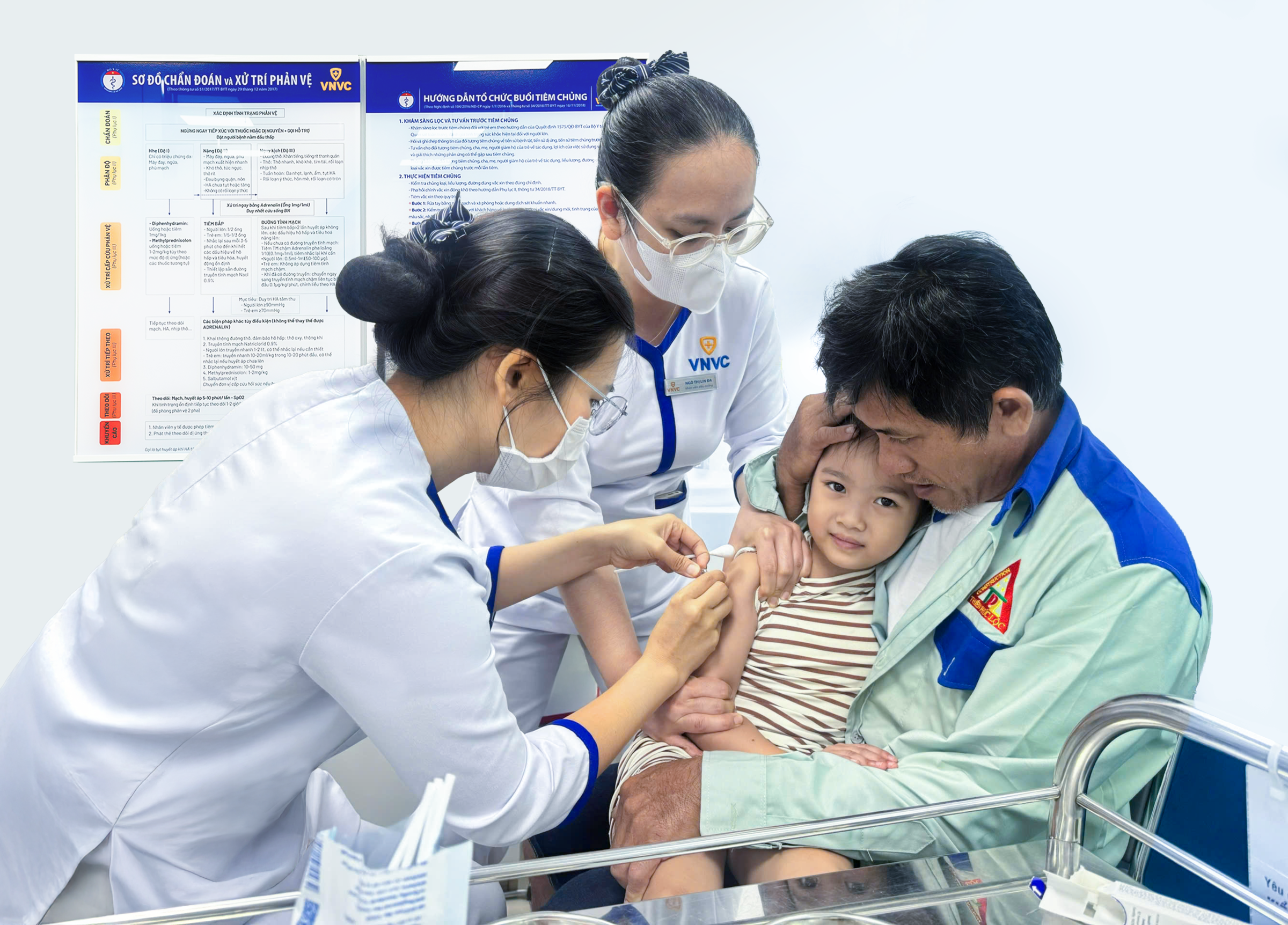
Physician Tri advises that immediately after being bitten, scratched, or licked on an open wound or mucous membrane by a cat or dog, individuals should wash the wound under clean running water with soap for at least 15 minutes. Afterward, disinfect it with alcohol or a povidone or betadine solution. Following first aid, it is crucial to visit a vaccination center or medical facility for rabies vaccination advice. Depending on the wound's severity, a doctor may also prescribe anti-rabies serum.
 |
Additionally, a doctor may instruct family members to further observe the animal, but this observation does not replace post-exposure vaccination. Bitten or scratched individuals still need to adhere to the prescribed vaccination schedule as soon as possible and should not wait for the pet to show abnormal signs before seeking medical attention.
People who frequently interact with cats, dogs, or other warm-blooded animals such as monkeys, squirrels, or bats can receive pre-exposure prophylaxis, which consists of three doses on days 0, 7, 21, or 28. This helps the body develop protective antibodies, enabling a rapid response upon exposure to the rabies virus.
If an individual who has previously completed a full rabies vaccine regimen is subsequently bitten, scratched, or licked on an open wound or mucous membrane by a cat or dog, they typically only need two booster doses of the rabies vaccine on days 0 and 3, as directed by a doctor.
According to physician Tri, current rabies vaccines are new generation, produced using purified cells, highly safe, and can be used for children and pregnant women when indicated. They do not affect the nervous system or cause memory impairment, as many people fear.
Huyen Tram