In 2020, Thu Huyen, from Hanoi, was devastated upon receiving her father's lung cancer diagnosis. Fearing her sensitive, elderly father would collapse emotionally and lose all hope, she made a decision that would later cost her a lifetime of regret. Huyen concealed the words "cancer", telling her father he had "severe pneumonia requiring prolonged treatment".
Her father believed his daughter. He cheerfully took his medication, diligently exercised, and even planned to repair the eaves after recovering from his "pneumonia". However, his health steadily worsened, and his debilitating coughs became more frequent. After multiple hospital visits and piecing together the symptoms himself, he gradually realized the truth: he had stage three lung cancer, and this had been hidden from him.
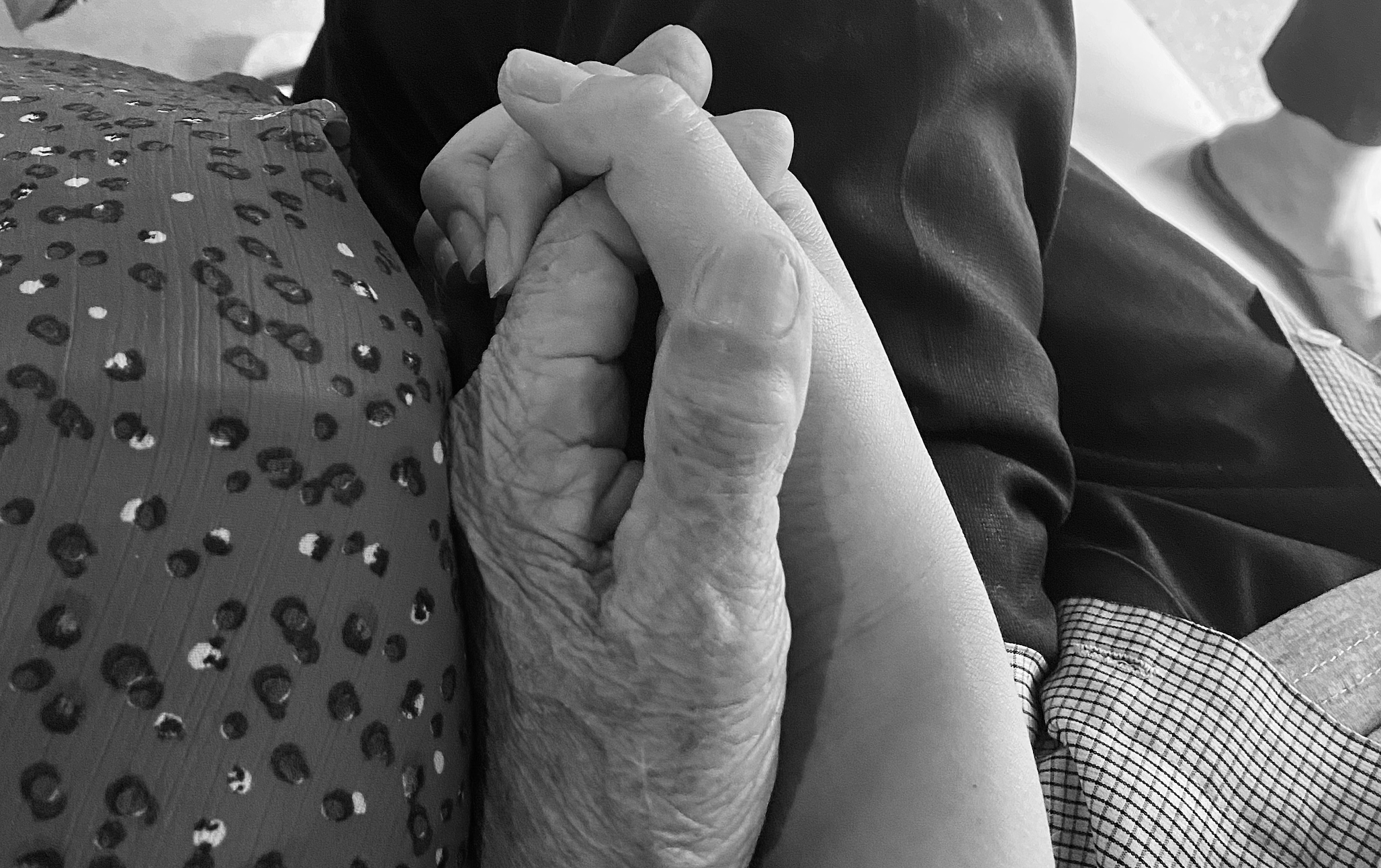 |
The photo of Huyen holding her father's hand during a visit to the Cancer Hospital is a cherished memory she keeps on her phone. *Photo provided by character*
"The shock of his family hiding his illness was more profound than the disease itself", Huyen recounted. At that moment, he neither cried nor blamed anyone, but simply looked at his daughter with bitter, choked-up eyes. Before he died, he held his family's hands tightly, wishing he had known sooner to "say a full goodbye to each person, instead of living his final days in uncertainty".
Doctor Ha Hai Nam, Deputy Head of Abdominal Surgery Department 1 at K Hospital, noted that Huyen's story is not unique. In Vietnam and many other Asian countries, families often hide cancer diagnoses from patients. This practice stems from the belief of "filial piety by bearing the pain" and the fear that patients will suffer a mental breakdown.
Behind such deception lie immense pressures. Cancer imposes a huge financial burden. The ACTION study, conducted by the George Institute for Global Health on approximately 9,500 cancer patients in eight Southeast Asian countries (including Vietnam), revealed that one year after diagnosis, most patients either died or faced "financial catastrophe"—a situation where medical costs exceed the family's ability to pay, forcing them to borrow money or sell assets.
Alongside financial strain, the stigma that "cancer is a death sentence", "divine punishment", or "karma" weighs heavily on society, leading many families to avoid the truth. However, medical professionals warn that this is a risky gamble with the patient's life.
Doctor Nam believes that medical deception is a double-edged sword. "When the truth is revealed, perhaps through a side effect of chemotherapy or an accidental remark from someone nearby, the patient's trust can shatter, and rebuilding it becomes very difficult", he stated.
According to Doctor Nam, cancer treatment involves not just surgery, radiation, and chemotherapy, but also lifestyle changes. If unaware of their illness, patients might continue harmful habits like smoking, drinking alcohol, or an irregular routine, diminishing treatment effectiveness.
Psychologist Cao Tran Thanh Trung, CEO of Tam Ly Lumos, observed that when patients discover the truth themselves, they face a "double shock": suffering from the illness while also feeling betrayed and losing trust in their family.
"They fall into extreme loneliness because they are excluded from decisions directly related to their own lives", he explained. Some patients, consumed by doubt and resentment, react negatively, even refusing treatment.
For Doctor Ngo Van Ty, from the Oncology Department at Hanoi Medical University Hospital, delivering bad news is among the most challenging duties, a skill doctors must hone throughout their careers. In most cases, doctors strive to listen and reconcile the wishes of both the patient and the family, provided it does not compromise treatment effectiveness.
"However, when the request to hide the illness risks causing the patient to miss the 'golden hour'—the localized stage of the disease where treatment is most effective—doctors must provide clear, firm, and professional advice", he emphasized. "The ultimate goal is not to defy the family's wishes, but to ensure the patient has the best treatment opportunity."
Notably, the right to information about one's health status is stipulated in Vietnam's Law on Medical Examination and Treatment. In principle, patients have the right to be informed about their diagnosis and treatment methods, a fact many families overlook when deciding to conceal an illness from a loved one.
According to Doctor Ty, the truth does not have to be delivered like a cold shower. Modern medicine encourages a "staged approach to delivering bad news", where doctors and family gradually disclose information to help the patient adapt, while always integrating solutions for disease management to maintain hope.
For terminally ill cancer patients, knowing their prognosis—the doctor's prediction of disease progression—though painful, offers them the chance to proactively arrange the rest of their lives. This includes fulfilling unfinished wishes, reuniting with loved ones, resolving old conflicts, and saying peaceful goodbyes.
Instead of saying "don't overthink it" or "you must try harder", family members can ask: "What bothers you most today, dad/mom?", "How can we help you, dad/mom?", or simply sit by their side.
The National Cancer Institute of America recommends that family members allow patients to share their fears and end-of-life wishes. Sometimes, talking, watching movies, reading books, or simply being present can provide crucial support.
When the chance of a cure is no longer high, families do not necessarily need to instill hope of "certain recovery". Instead, they can focus on more immediate goals such as pain relief, restful sleep, returning home, meeting loved ones, and having more peaceful days. This aligns with the spirit of palliative care, an approach increasingly emphasized in medicine.
"Hope at this point is not just about how much longer one lives, but also about living with dignity and the least possible pain", Doctor Trung said.
On the eve of her father's death anniversary, Huyen reflected with regret, wishing she could turn back time to face the truth with him. "A lie might offer temporary peace, but it deprives the dying of their right to live actively until their final moments", she said, acknowledging a lifelong sorrow that cannot be assuaged.
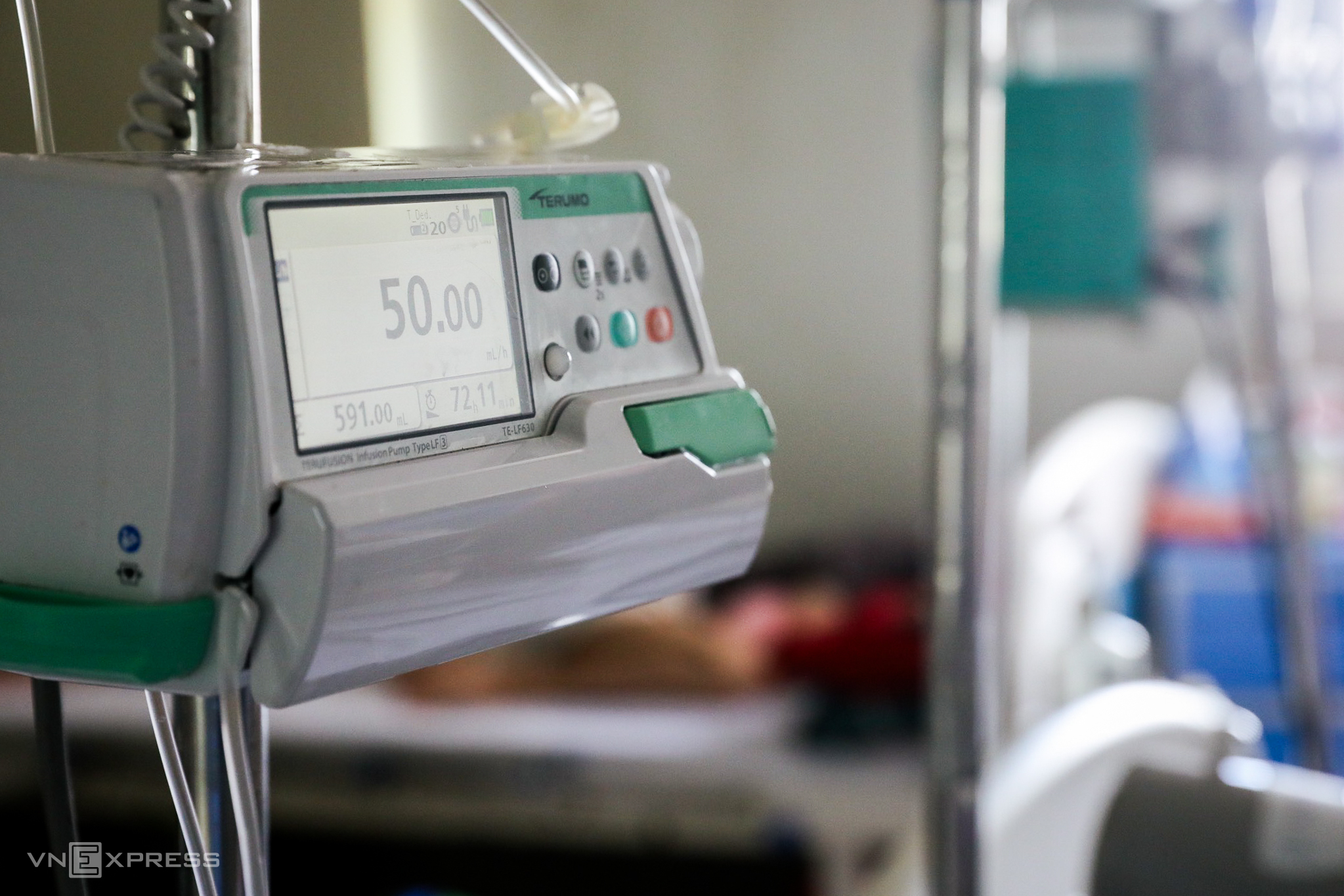 |
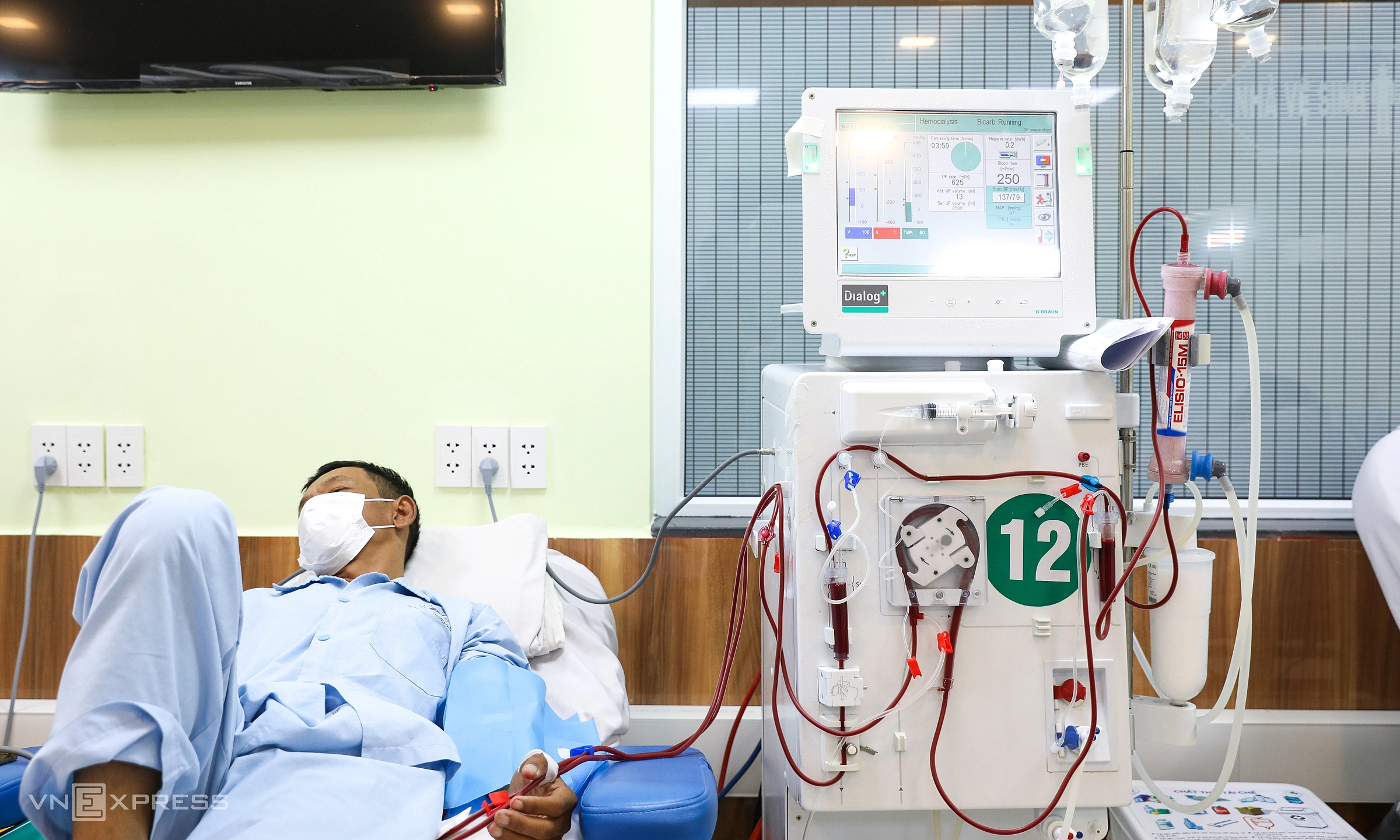
A cancer treatment room at Hue Central Hospital. *Photo: Phung Tien*
Thuy An